

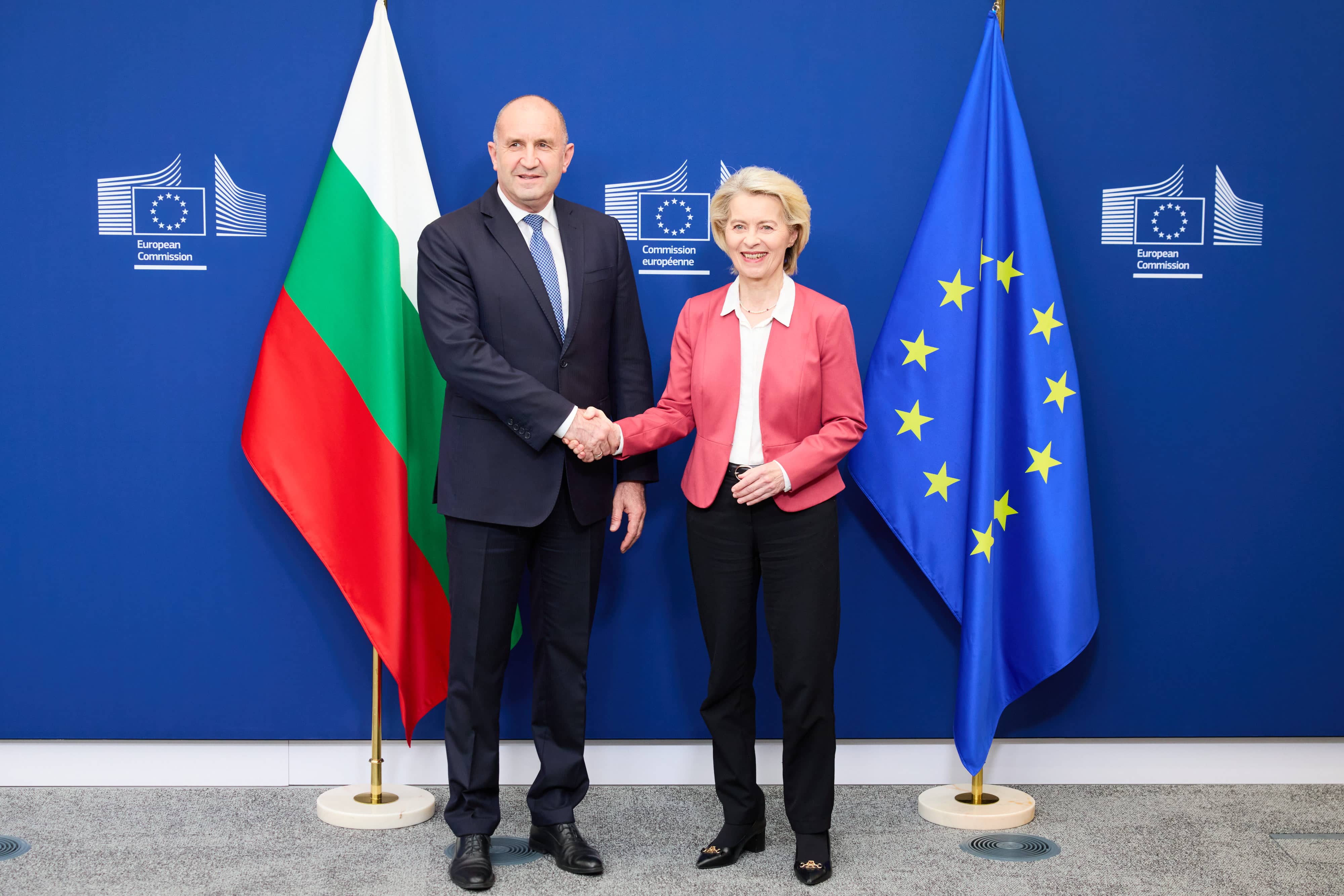

A Structural Shift in Sanctions Obstruction
The mechanism through which the European Union faces obstacles in imposing sanctions on Russia has shifted its primary point of resistance. According to reports, the focus of this obstruction has moved from Hungarian Prime Minister Viktor Orbán to Bulgarian President Rumen Radev. This transition underscores a fundamental characteristic of the bloc's decision-making process: the unanimity rule allows any single member state to halt collective measures, regardless of which government is in power.
For several years, European officials and observers characterized the blocking of EU policy regarding Russia as a specific issue tied to Hungary. The government led by Viktor Orbán was frequently cited for delaying sanctions and support for Ukraine. Specific objections included resistance to listing Russian Orthodox Patriarch Kirill on restrictive measures lists. However, with the change in government in Budapest, that long-standing objection was lifted. The obstruction did not disappear; rather, it relocated to Sofia.
During the European Council summit held in Brussels in June, Bulgarian Prime Minister Rumen Radev announced that Bulgaria would veto the EU’s proposed 21st sanctions package against Russia. This announcement marked a significant moment in the ongoing geopolitical tension between the European Union and Moscow, highlighting that the blockage of policy is not dependent on individual leaders but on the structural requirements of the union.
Bulgaria's Specific Objections to the 21st Package
Radev outlined a range of concerns driving Sofia’s decision to block the new sanctions. These objections span both geopolitical considerations and practical economic impacts on Bulgarian infrastructure and energy supplies. The primary political objection involves the proposed listing of Russian Orthodox Patriarch Kirill on the EU’s individual asset-freeze and travel-ban list.
Beyond geopolitical posturing, the Bulgarian government cited tangible risks to its domestic economy and public services. A key concern is the potential impact on Lukoil, a company that operates Bulgaria’s only refinery. The government indicated that the new sanctions could pose significant economic risks to this critical energy infrastructure.
Further practical concerns were raised regarding the supply chain for essential goods and maintenance materials. Radev noted the possibility of disruption to supplies of fertilizer, which affects agricultural production, and spare parts for the Sofia metro system. These specific examples illustrate how a single nation’s veto power can be leveraged based on localized economic vulnerabilities and infrastructure dependencies.
The Unanimity Rule as a Structural Weakness
Analysts and observers point out that the core issue is structural rather than personal. The European Union operates under a unanimity rule for certain foreign policy and sanctions decisions. This rule means that one capital can hold up measures targeting Russian banks, efforts to counter export-control evasion, actions against shadow fleets, and sanctions networks involving third countries.
Under this framework, a single member state can delay or block these measures until its national objections are addressed by the other 26 member states. This dynamic owes no reason to the rest of the bloc; the veto is absolute within the scope of the rule. The problem extends beyond the personalities involved in any given government. It represents a persistent vulnerability in the EU’s ability to act cohesively on foreign policy matters involving Russia.
The shift from Hungary to Bulgaria demonstrates that this weakness is not tied to a specific political ideology or leader but is inherent in the union's decision-making architecture. As long as the unanimity rule remains in place for sanctions, any member state can utilize its veto power based on national interests, whether those interests are geopolitical, economic, or infrastructural.
Implications for EU Cohesion
The situation in Bulgaria follows a similar pattern to previous years in Hungary. Each concern raised by Sofia deserves scrutiny on its merits, as noted by observers. However, the larger issue remains the structural capacity of one state to impede the collective will of the union. This dynamic matters beyond the immediate context of Russia sanctions, affecting the EU’s broader foreign policy effectiveness.
The change in government in Hungary removed one obstacle, but the underlying mechanism for obstruction remained intact. Bulgaria’s current stance confirms that the EU’s problem with unanimity is persistent. The bloc must now navigate these structural challenges as it continues to formulate responses to Russian aggression and sanctions evasion tactics.