


Structural Implications of the Unanimity Rule
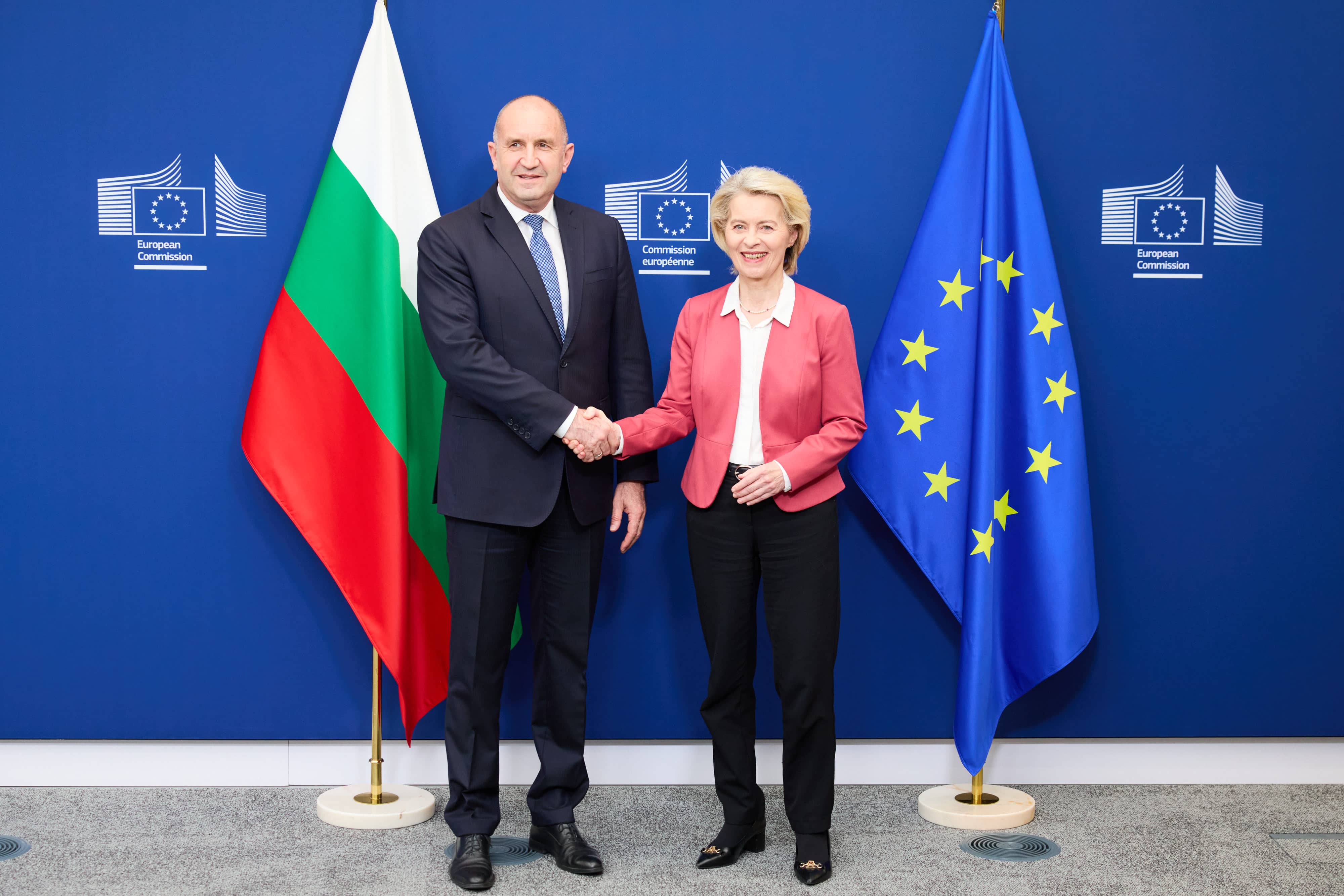
The mechanism allowing a single member state to halt European Union policy has come under renewed scrutiny as Bulgaria prepares to block the bloc's 21st sanctions package against Russia. This development marks a shift in the locus of obstruction within the EU, moving attention away from Hungary and toward Bulgarian President Rumen Radev.
Under the EU’s unanimity rule, a decision affecting all member states can be blocked by the refusal of just one capital. This provision requires no justification for the veto and binds the other 26 members to the position of the objecting state. The rule applies to measures targeting Russian banks, export control evasion, the shadow fleet, and sanctions networks.
According to analysis from Euobserver, this structural issue demonstrates that the Union’s weakness is not tied to a specific leader but is inherent in its decision-making framework. The ability of one capital to hold up measures until its national objections are accommodated remains a constant feature of EU governance, regardless of which government holds power.
Shift from Hungarian Obstruction to Bulgarian Stance
For years, Brussels treated the obstruction of EU policy on Russia as primarily a Hungarian problem. Viktor Orbán’s government frequently delayed sanctions and support for Ukraine, including objections to the proposed listing of Russian Orthodox Patriarch Kirill.
The political landscape changed in Hungary with a change in government, which lifted its long-standing objection to these measures. However, the blockage did not vanish; it simply shifted address to Sofia. As EU leaders gathered in Brussels for their June summit, Bulgarian Prime Minister Rumen Radev announced that Bulgaria would veto the proposed 21st sanctions package against Russia.
This transition highlights that the obstruction of EU policy is not dependent on individual personalities but on the structural requirements of unanimity. The problem persists regardless of which member state chooses to exercise its veto power.
Bulgaria’s Specific Objections and Economic Concerns
President Radev’s objections range from geopolitical considerations to immediate supply chain disruptions. His stated concerns include the potential impact on Lukoil, which operates Bulgaria’s sole refinery. The government in Sofia has cited risks to this energy infrastructure as a primary reason for the veto.
Additional concerns involve the disruption of supplies for critical domestic services. Radev noted possible interruptions to the supply of fertilizer and spare parts for the Sofia metro system. These logistical issues form part of the broader argument against the sanctions package.
The inclusion of Patriarch Kirill on the EU’s asset-freeze and travel-ban list also remains a point of contention. Each of these concerns has been presented as a distinct objection to the proposed measures.
Scrutiny of National Objections
While the structural implications of the veto are significant, the specific national objections raised by Bulgaria require individual assessment. According to the source material, each concern deserves scrutiny on its merits.
The EU’s problem extends beyond the personalities involved in the current dispute. The unanimity rule allows one capital to halt measures targeting Russian banks, export control evasion, the shadow fleet, and third-country sanctions networks until its national objections are addressed.
This dynamic matters beyond the immediate political context of Hungary and Bulgaria. It underscores a persistent challenge for the EU in implementing cohesive foreign policy and economic sanctions against Russia. The shift from Budapest to Sofia illustrates that the obstacle is not the presence of a specific leader but the requirement for unanimous agreement among all member states.
Implications for EU Policy Implementation
The current situation confirms that the EU’s ability to act decisively on sanctions is contingent on the consensus of all 27 members. When one state identifies risks to its energy infrastructure, public transport, or religious figures, it can effectively halt the entire package.
This reality means that the Union’s weakness was never solely Viktor Orbán alone. It is a rule under which one capital's refusal binds the other 26 and owes them no reason. The focus on Bulgaria does not solve the underlying issue but rather highlights its ongoing relevance in EU-Russia relations.
Current Status of the Sanctions Package
The proposed 21st sanctions package remains blocked by Bulgaria’s veto. The objections cited include the impact on Lukoil, supplies for the Sofia metro, and the listing of Patriarch Kirill.
The EU continues to navigate these structural constraints as it attempts to coordinate its response to Russia. The shift in obstruction from Hungary to Bulgaria does not alter the fundamental requirement for unanimity in sanctioning measures.