


Mamdani’s Visit to Rikers Island Draws Criticism
\nOn July 15, 2026, New York City Mayor Zohran Mamdani attended a watch party for the World Cup semifinal match between Argentina and England at Rikers Island. The event was organized specifically for incarcerated people at the facility, which is located across the East River from LaGuardia Airport.
\nMamdani, identified as a democratic socialist and soccer enthusiast, stated to reporters that the attendees were New Yorkers who would remain New Yorkers upon their release from Rikers. The visit prompted criticism from Fox News, which accused the mayor of \"palling around\" with inmates.
\nIn response to the backlash, Mamdani posted on social media, asserting that \"Football belongs to everyone\" and emphasizing that \"every New Yorker deserves to have their dignity affirmed.\" Earlier in his career, Mamdani quoted Debs during his mayoral victory speech, signaling a continued ideological connection to the historical labor leader.
\n\nShawn Gude’s Analysis of Debs’s Ideology
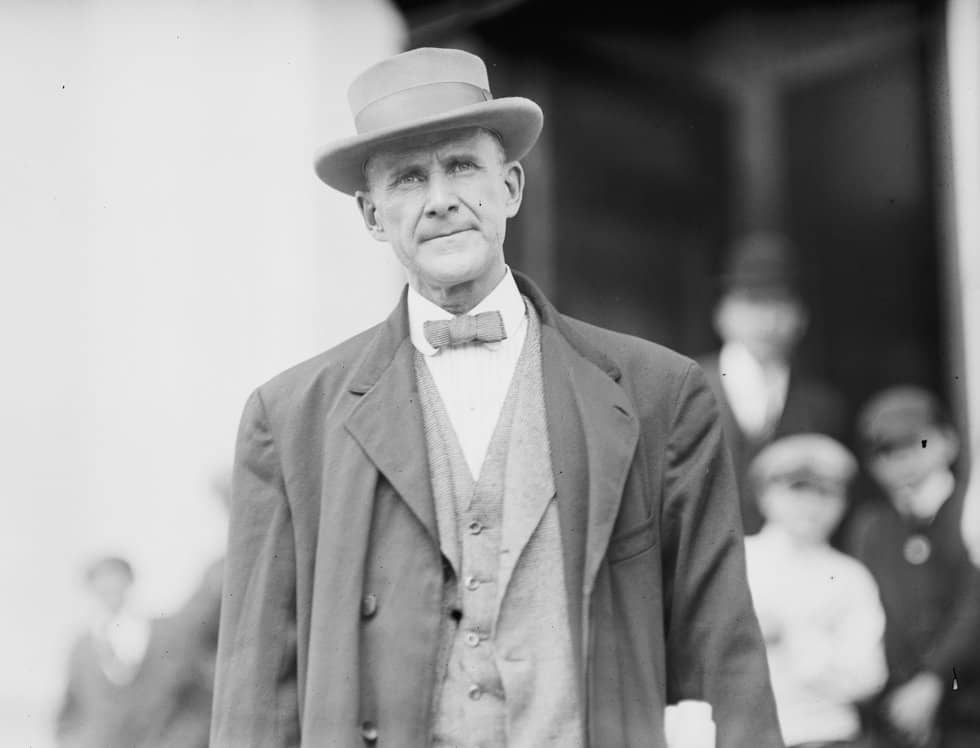
\nThe political discourse surrounding Mamdani’s actions intersects with the release of a new book titled \"American Socialist: The Life and Legacy of Eugene V. Debs\" by Shawn Gude. Published by Simon & Schuster on October 13, 2026, the 416-page volume explores how Debs paved the way for contemporary democratic socialists.
\nGude argues that Debs understood socialism primarily as a moral commitment to expanding democracy and human freedom. According to Gude, Debs’s vision of democracy included labor organizing, international solidarity, prison reform, and the expansion of U.S. citizenship to include women and African Americans.
\n\nDebs’s Early Life and Labor Organizing
\nEugene V. Debs was born in 1855 to French immigrants in Terre Haute, Indiana. He took his first job at age fourteen working on the railroads. In 1875, Debs joined the Brotherhood of Locomotive Firemen and Enginemen, a traditional craft union that aimed to help labor and capital by cultivating \"more respectable\" members.
\nIn 1893, Debs founded the American Railway Union (ARU) with the goal of broadly organizing workers against the power of organized capital. During the strikes against the Pullman Company in 1894, the ARU led more than 150,000 rail workers in a nationwide solidarity strike that crippled rail traffic.
\nThe government enlisted support to declare the 1894 strike illegal and arrested its leaders, including Debs. After being imprisoned for his role in the strike, Debs emerged with a sharper critique of capital.
\n\nImprisonment and Final Presidential Run
\nDebs was incarcerated at the federal penitentiary in Atlanta, Georgia, less than two years into