

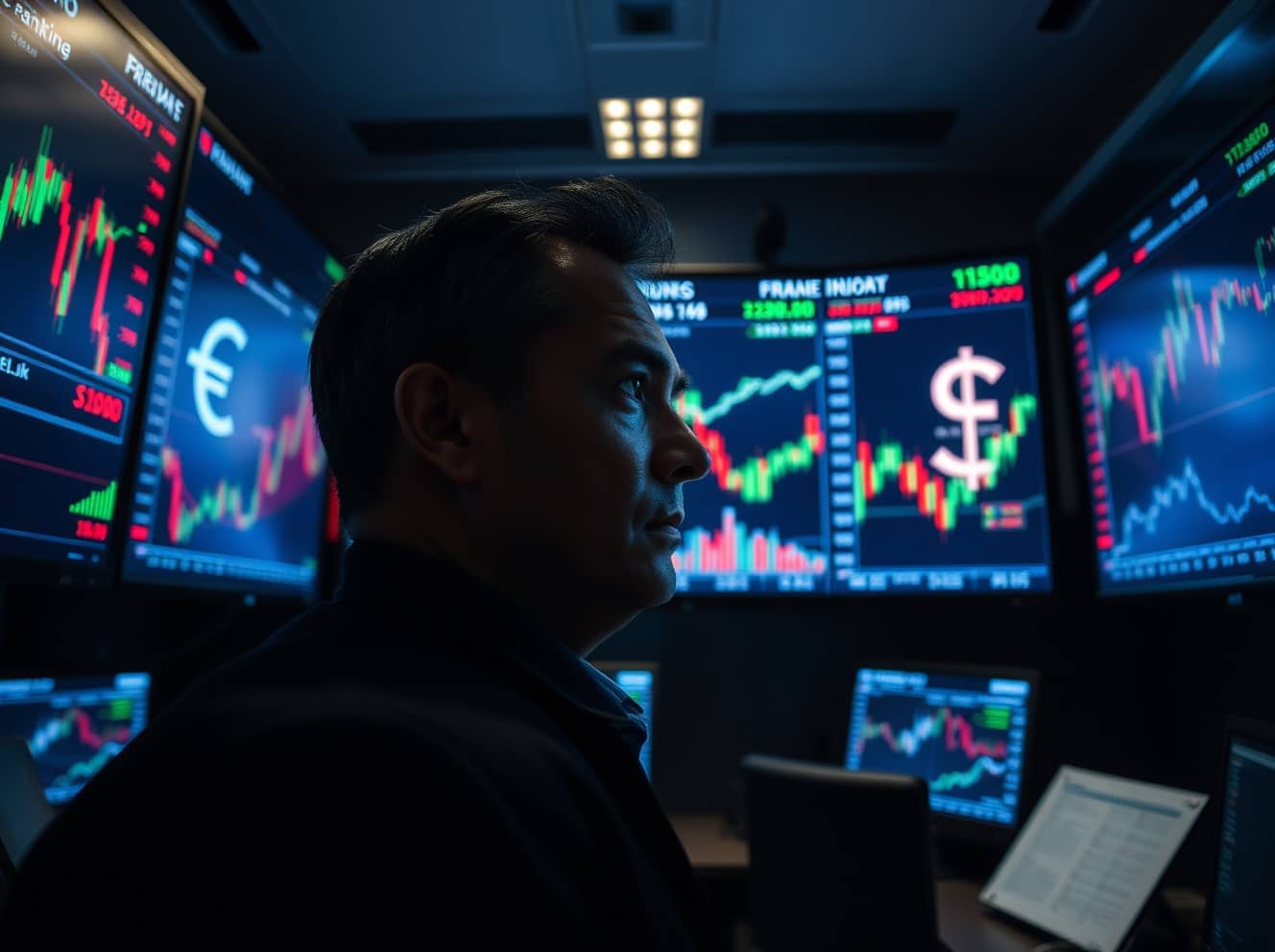

Euro Slides Amid Geopolitical Concerns
The euro edged lower against the US dollar and other major currencies on Monday, as growing uncertainty surrounding the potential outcome of US-Iran peace negotiations injected a fresh wave of caution into global foreign exchange markets. The single currency slipped below the $1.08 mark against the greenback, reversing some of its recent gains, as traders weighed the potential geopolitical risks.
Impact of US-Iran Negotiations on Market Sentiment
The reported US-Iran peace negotiations have become a focal point for currency traders and global investors. While the specifics of these discussions often remain undisclosed, the mere existence of high-stakes diplomatic engagements between these two nations can significantly influence market sentiment. Historically, relations between the United States and Iran have been a source of regional and global tension, impacting oil prices, shipping routes, and broader geopolitical stability. Any progress or breakdown in talks carries implications for energy markets and investor confidence, prompting a reassessment of risk.
Uncertainty regarding the potential outcomes of such negotiations typically leads to increased volatility in financial markets. Traders often adopt a more cautious stance, preferring to reduce exposure to riskier assets or currencies perceived as more vulnerable to geopolitical shifts. This risk-off sentiment can lead to capital flows towards perceived safe-haven assets.
Currency Movement Details
On Monday, the euro's decline saw it trade below the significant $1.08 threshold against the US dollar. This movement marked a reversal of some gains the currency had accumulated in the preceding period. The euro's performance against other major currencies also reflected this cautious sentiment, indicating a broad-based reaction to the geopolitical developments rather than isolated factors affecting only the euro-dollar pair.
Geopolitical Risk and Foreign Exchange Markets
Geopolitical events frequently serve as significant drivers in foreign exchange markets. When political tensions rise or major diplomatic efforts are underway, investors often seek to protect their capital by moving it into currencies traditionally considered safe havens. The US dollar, given its status as the world's primary reserve currency and the liquidity of US Treasury markets, often benefits from such risk-averse flows. Conversely, currencies perceived as more sensitive to global economic stability or regional conflicts, such as the euro, may experience downward pressure.
The current situation exemplifies how the prospect of shifts in international relations, particularly involving key players in geopolitically sensitive regions, can directly translate into currency fluctuations. Traders are tasked with evaluating the potential for both positive and negative outcomes from the US-Iran talks, and the inherent unpredictability of these negotiations contributes to heightened market caution.
Broader Economic Context for the Euro
Beyond immediate geopolitical factors, the euro's valuation is also influenced by a range of economic indicators from the Eurozone. These include inflation data, economic growth figures, and the monetary policy stance of the European Central Bank (ECB). While these fundamental factors provide a long-term framework for the euro's value, short-term movements can often be dominated by external shocks or significant geopolitical developments. The current focus on US-Iran talks underscores how external events can temporarily overshadow domestic economic considerations in driving currency market dynamics.
The Role of the US Dollar
In times of global uncertainty, the US dollar typically strengthens due to its safe-haven appeal. Investors often flock to dollar-denominated assets, such as US government bonds, during periods of heightened risk, driving up demand for the greenback. This dynamic can exert downward pressure on other major currencies, including the euro, as capital shifts out of these currencies and into the dollar. The current geopolitical climate, characterized by uncertainty surrounding US-Iran negotiations, appears to be contributing to this traditional flight-to-safety phenomenon, favoring the US dollar over the euro.