


Miller Disputes Owners' Competitive Balance Arguments
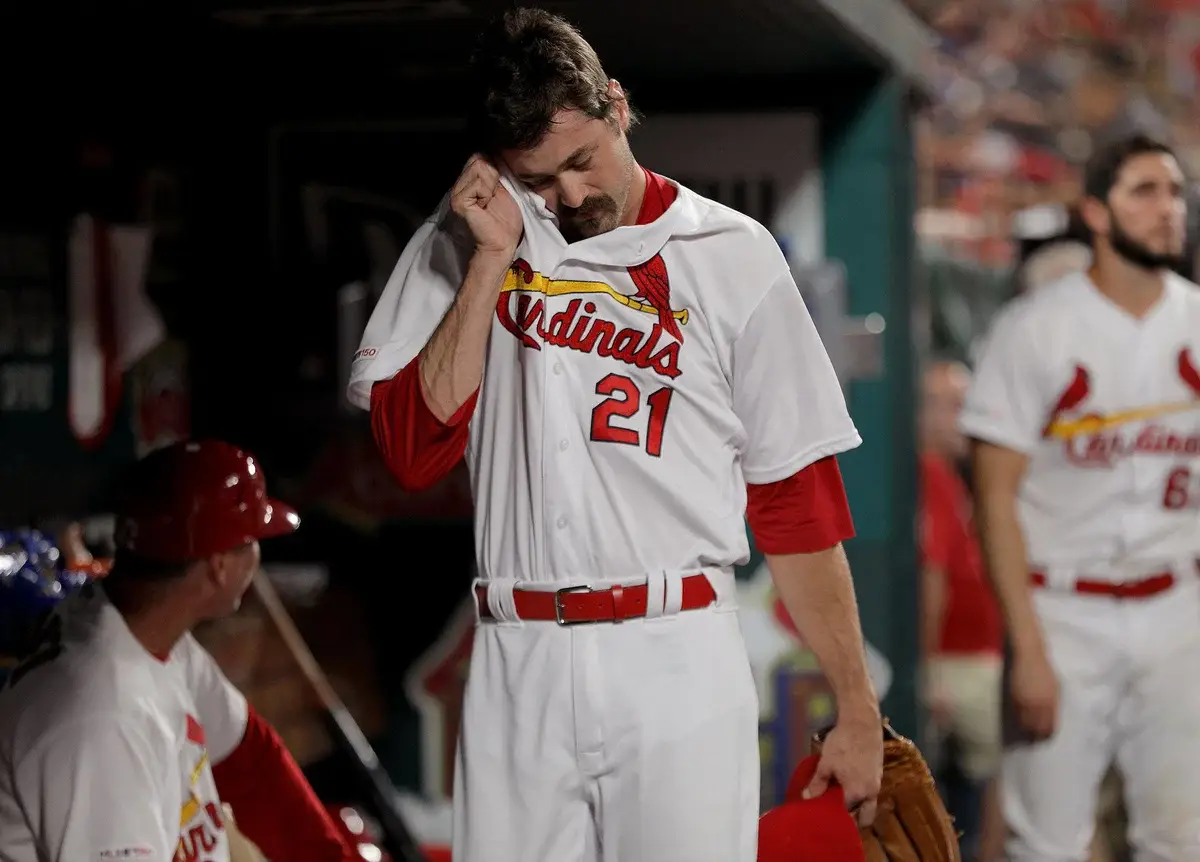
Former Major League Baseball pitcher Andrew Miller has publicly challenged the league's ownership group regarding their proposed salary cap, describing the initiative as a method to restrict player earnings rather than improve competition. Miller, who serves as the MLB Players Association’s director of collective bargaining and strategic initiatives, is leading player resistance alongside interim executive director Bruce Meyer.
In an interview with Foul Territory, Miller characterized the owners' push for a salary cap as a "straightforward" attempt to limit labor costs disguised as a measure for competitive balance. He stated that this notion can be easily disproven by examining recent league outcomes and historical payroll data.
Miller pointed to the 2024 World Series matchup between the high-payroll Los Angeles Dodgers and New York Yankees as evidence that financial spending does not guarantee championships or prevent compelling matchups in smaller markets. He further cited the 2023 World Series between the Texas Rangers and Arizona Diamondbacks as an example of competitive play outside of high-spending franchises.
Additionally, Miller noted that Los Angeles won only four World Series titles in a 40-year period despite maintaining massive payrolls. He also referenced the New York Mets, who signed Juan Soto to a $765 million contract but have not secured another championship since.
To illustrate that salary caps do not inherently create parity, Miller cited examples from other major American sports leagues. He pointed to the New England Patriots, Kansas City Chiefs, and Golden State Warriors as teams that remain dominant despite operating within capped environments.
The Mechanics of the Proposal and Financial Impact
The MLB owners' current proposal outlines a salary cap set at $245.3 million for 2027, with a corresponding floor of $171.2 million. The league claims this structure would increase total player compensation in 2027 and ensure revenue is shared equally among teams.
However, the immediate financial implications of the opening proposal reveal significant disruptions for franchise budgets. Under the current terms, eight teams would need to cut their payrolls by a combined $578 million to comply with the cap. Conversely, twelve teams would be required to add $617 million to their payrolls just to reach the mandatory floor.
Miller argues that these mechanical adjustments do not translate to benefits for the consumer. He contends that lower team payrolls do not automatically result in lower ticket prices for fans. Furthermore, he asserts that implementing a salary cap will not bring labor peace to the sport, challenging the owners' primary justification for the change.
Historical Precedents and Player Rights
The debate over a salary cap is not without historical context within baseball. The article references the 1994 labor dispute where owners pushed for similar restrictions, triggering a 232-day strike that cancelled the World Series before owners withdrew the proposal in 1995.
Current opposition to the cap draws parallels to earlier struggles for player autonomy. Curt Flood’s fight for player freedom is cited as being back in baseball’s spotlight as owners push for a salary cap, framing the current negotiation as a continuation of that long-standing battle for economic rights.
The MLBPA has firmly rejected a salary cap, arguing it restricts players’ earning potential and limits teams’ bidding power. The union prefers instead to preserve guaranteed contracts and freedom to negotiate without a hard ceiling.
Commissioner's Stance and Negotiation Timeline
Commissioner Manfred argues competitive balance is essential because fans need hope their team can win, claiming the luxury tax has failed to close payroll gaps. This perspective drives the owners' insistence on a cap as a necessary evolution of the game's economic structure.
With the Collective Bargaining Agreement (CBA) expiring December 1, both sides face difficult negotiations that could lead to a lockout. The outcome of these talks will determine whether baseball returns to its previous free-market model or adopts a capped system for the first time in its history.