

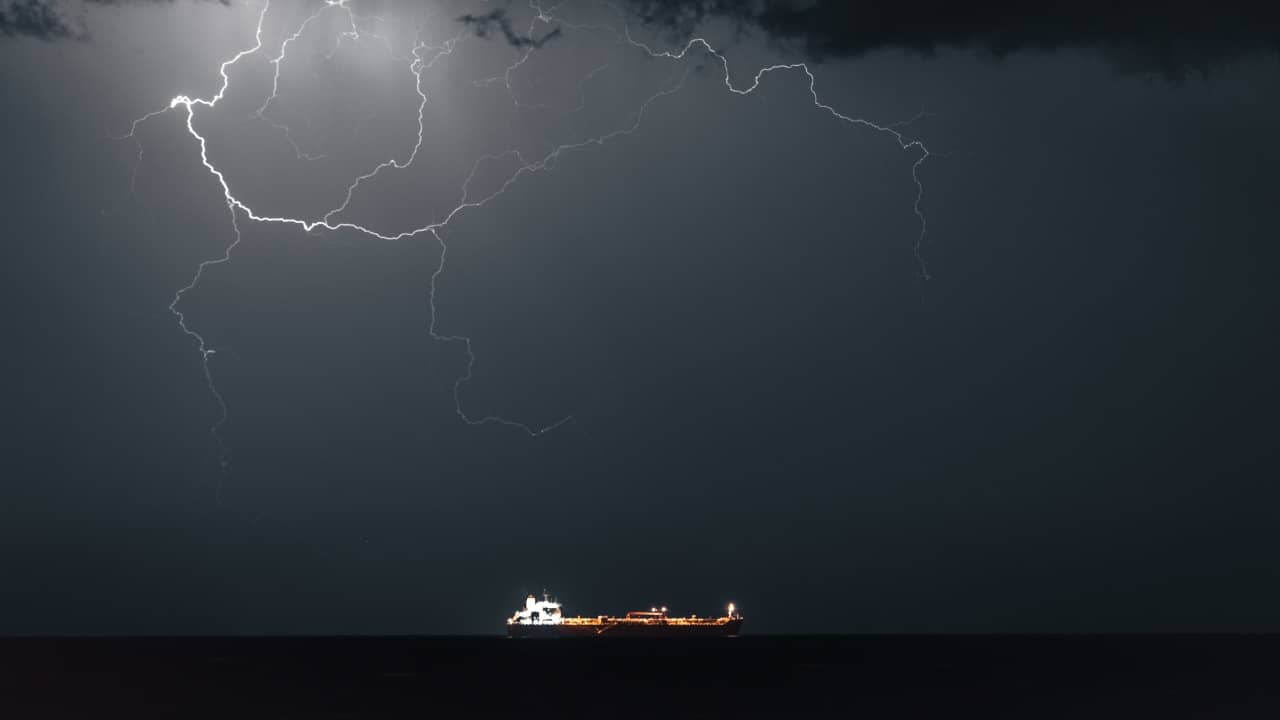

Declining Strategic Value of the Chokepoint
Iran’s ability to utilize the Strait of Hormuz as a primary instrument of geopolitical leverage is diminishing, according to Thomas O’Donnell, an American energy and geopolitics strategist. O’Donnell, who serves as a Global Fellow of the Wilson Center, indicated that the strategic importance of the waterway for Tehran is rapidly eroding.
In an interview with The Jerusalem Post, O’Donnell described the Strait of Hormuz as Iran’s "trump card." However, he asserted that this card is losing its value and is expected to continue doing so. The assessment suggests a shift in the balance of power regarding maritime control in the region, moving away from the historical reliance on the strait as an indispensable threat.
Market Resilience and Oil Supply Dynamics
The argument for Iran’s waning leverage is rooted in the changing dynamics of global energy markets. Historically, the Strait of Hormuz has been a critical artery for oil transport. Before recent conflicts, between 14 million and 15 million barrels of oil passed through the strait daily.
Despite this high volume, O’Donnell told The Jerusalem Post that it is "entirely possible to manage without much of that supply." This assertion challenges the traditional view that a blockade or disruption of the strait would cause catastrophic economic consequences for global markets. By suggesting that the world can function without a substantial portion of the oil previously dependent on this route, O’Donnell undermines the effectiveness of the strait as a coercive tool.
Threats to Energy Infrastructure
The context of this analysis includes heightened tensions involving international actors and Iran’s energy sector. President Donald Trump had previously threatened to attack Iran's energy infrastructure if the Islamic Republic did not end its de facto blockade of the Strait of Hormuz by March 23.
This threat highlighted the vulnerability of Iran’s energy assets to external military action. The potential for such strikes adds another layer to the declining strategic value of the strait, as it exposes Iran’s economic lifelines to direct confrontation rather than relying solely on the chokepoint for deterrence.
Iranian Defensive Postures
While the strategic utility of the Strait of Hormuz is reportedly decreasing, Iran has taken steps to secure its internal political survival. O’Donnell noted that the Islamic Republic has developed a "sophisticated panoply" of measures designed to protect itself against the possibility of regime change.
This defensive development indicates that Tehran is focusing on internal security and military preparedness rather than solely depending on maritime chokepoints for its geopolitical influence. The combination of these internal defenses and the external pressure on its energy infrastructure contributes to the broader assessment that Iran’s traditional leverage points are weakening.
Visual Documentation of Regional Tensions
The evolving situation in the region has been documented through various media outlets. Images have circulated showing oil tankers navigating alternative routes or anchoring in nearby waters amidst the tensions. One such image, credited to Elke Scholiers/Getty Images, depicts the META 4, an Oil Products Tanker, sailing into Muscat Anchorage on March 21, 2026, at Sultan Qaboos Port in Muscat, Oman.
This visual evidence underscores the operational adjustments being made in the region. The movement of tankers to ports like Muscat reflects the practical responses to the threats and blockades discussed by experts like O’Donnell. It illustrates a shift in maritime logistics that aligns with the claim that the global market is adapting to bypass traditional dependencies on the Strait of Hormuz.
Implications for Regional Stability
The perspective shared by O’Donnell suggests that Iran’s ability to dictate terms through the strait is not as absolute as it was in previous decades. The combination of market resilience, external military threats to infrastructure, and internal defensive preparations creates a complex environment where the Strait of Hormuz no longer serves as an unassailable strategic advantage for Tehran.
As the Islamic Republic continues to refine its defenses against regime change, the international community may find that the leverage once held by controlling the flow of oil through the strait is significantly reduced. This shift represents a notable development in the geopolitics of the Middle East, altering the calculus for both regional actors and global powers involved in the area.