


Contract Awards for Radar and Hardware Upgrades
The US Air Force has awarded contracts worth up to a combined $766 million to modernize the B-52 Stratofortress bomber. The funding supports the production of the aircraft's new AN/APQ-188 radar system and upgrades to its weapons-carrying hardware. The awards were split between two major defense contractors, with Raytheon receiving the larger portion for radar development and Boeing tasked with bomb rack modifications.
Raytheon, a business unit of RTX, received a $603 million indefinite-delivery/indefinite-quantity contract. This agreement covers the production and sustainment of the new AN/APQ-188 radar system. The contract structure allows for flexibility in delivery timelines and quantities as the program progresses.
Boeing received a separate contract worth nearly $163 million. This funding is designated for bomb rack modernization kits. These kits are connected to the broader effort to update the B-52's capabilities, ensuring the aircraft can integrate with current and future munitions.
Program Challenges and Historical Context
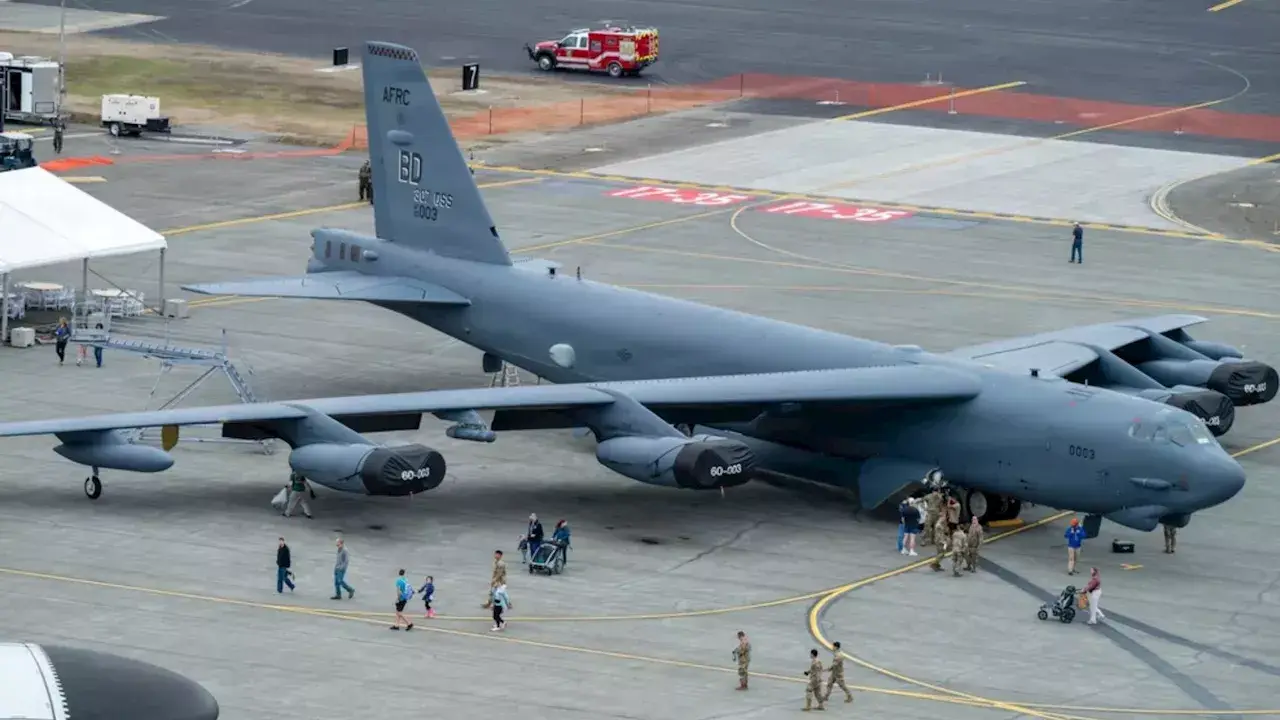
The investment aims to keep the B-52 Stratofortress relevant for decades to come. The aircraft first entered service in the 1950s, making it one of the longest-serving strategic bombers in military history. The modernization effort represents a significant update to an airframe that has undergone numerous changes since its initial deployment.
Despite the fresh funding, the radar program has faced significant cost growth and schedule delays. These challenges have impacted the timeline for delivering the new AN/APQ-188 system to the fleet. The Air Force continues to push forward with the modernization plan to address these issues while upgrading the bomber's nuclear capabilities.
Impact on Nuclear Deterrence
The B-52 is a key component of the US nuclear triad. The AESA radar upgrade enhances the bomber's ability to operate in contested environments. The new radar technology provides improved targeting precision and situational awareness compared to previous systems. This capability is critical for maintaining the effectiveness of the strategic bomber force.
The modernization of the weapons-carrying hardware complements the radar upgrades. The new bomb racks allow for more efficient loading and deployment of munitions. This upgrade ensures that the B-52 can continue to serve as a versatile platform for both conventional and nuclear missions.
Future Implications for the B-52 Fleet
The contracts bring fresh momentum to the B-52 Radar Modernization program. The integration of the AN/APQ-188 radar will require extensive testing and integration work before full operational capability is achieved. The Air Force must coordinate closely with Raytheon and Boeing to ensure that the upgrades meet performance specifications.
The delay in the radar program has raised questions about the timeline for fleet-wide updates. The Air Force has not specified how many B-52s will receive the new radar system or the exact date for completion of the modernization effort. However, the $766 million investment signals a continued commitment to extending the service life of the Stratofortress.
The B-52's longevity is attributed to its adaptability. Previous upgrades have allowed the bomber to remain effective despite its age. The current modernization effort follows this pattern, focusing on updating avionics and weapons integration rather than replacing the airframe entirely.
Strategic Importance of the Upgrade
The upgrade addresses critical gaps in the B-52's sensor suite. The AN/APQ-188 radar provides all-weather, day-night targeting capabilities that are essential for modern combat operations. This capability is particularly important for nuclear deterrence missions, where precision and reliability are paramount.
The bomb rack modernization ensures that the B-52 can carry a diverse array of weapons. This includes both gravity bombs and standoff missiles. The ability to switch between different munition types quickly enhances the bomber's tactical flexibility.
Defense analysts note that the combination of radar and hardware upgrades extends the operational relevance of the B-52. The aircraft is expected to remain in service well into the 2040s, with these upgrades playing a key role in its continued viability. The Air Force has emphasized the importance of maintaining a robust strategic bomber force as part of its national security strategy.
The contracts also include sustainment provisions, ensuring that the new systems can be maintained and repaired throughout their service life. This long-term support is critical for minimizing downtime and maximizing the availability of the B-52 fleet for missions.
Industry observers point out that the cost growth in the radar program highlights the complexities of upgrading legacy platforms. Integrating new technology into an airframe designed decades ago requires careful engineering and testing. The Air Force's decision to proceed with the modernization indicates a prioritization of capability enhancement over immediate cost savings.