

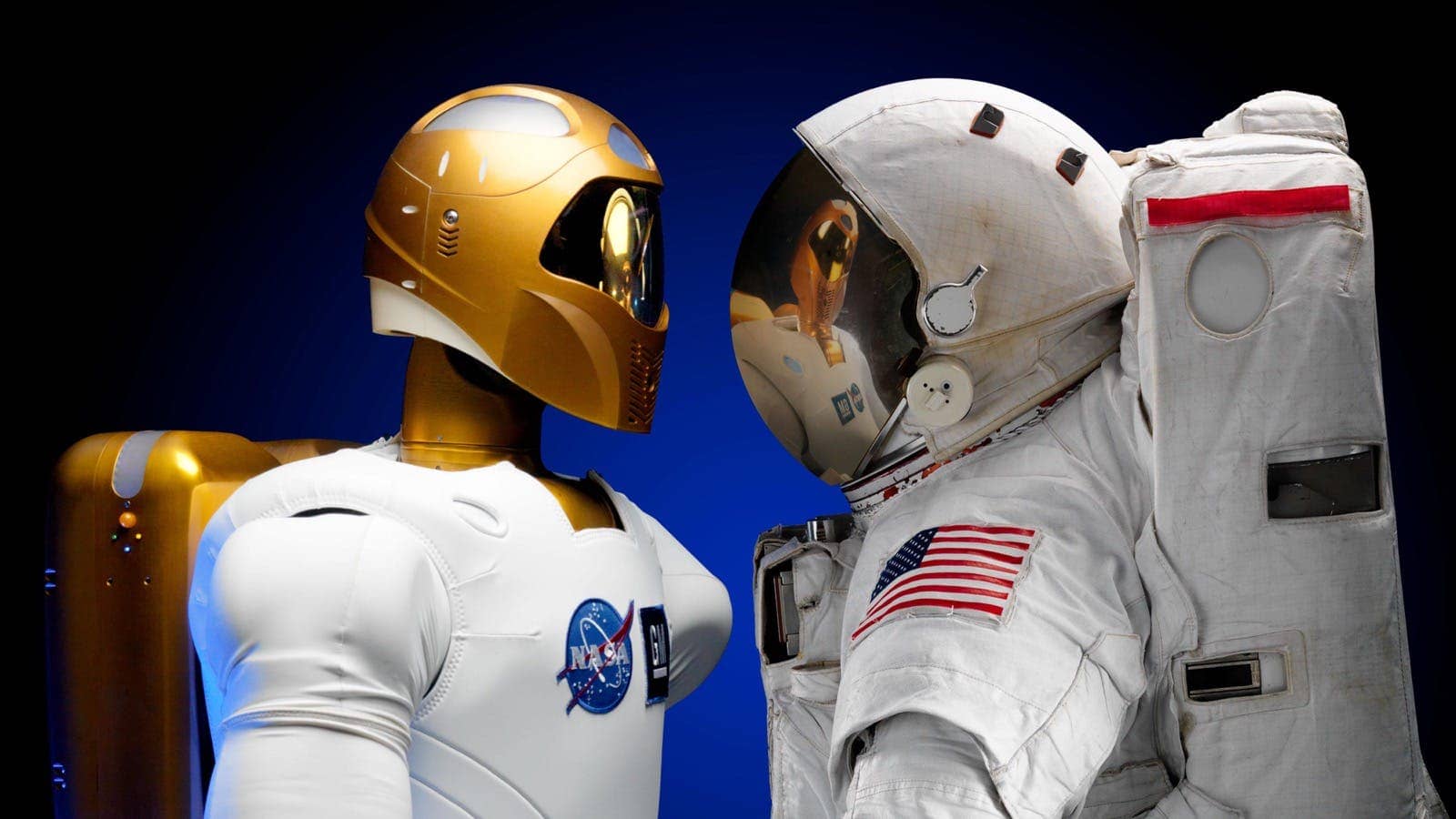

The machines that are fundamentally altering the trajectory of modern industry and daily life do not resemble humans. The most effective robotic systems on Earth take forms such as rolling boxes, laser-armed gantries, and robot dogs rather than humanoids. This divergence from anthropomorphic design represents a deliberate engineering choice where function consistently beats form in current development strategies.
Engineering for Utility, Not Resemblance
The prevailing philosophy behind these machines prioritizes utility above aesthetic similarity to biological organisms. Engineers and developers have focused on specific tasks, resulting in devices that look nothing like people. This approach has yielded practical tools for logistics, manufacturing, and surveillance that operate with efficiency distinct from human capabilities.
Industrial Powerhouses and Specialized Forms
The most useful robots currently reshaping our world are designed for highly specialized functions, making human-like forms largely inefficient or unnecessary. For instance, in vast fulfillment centers, autonomous rolling boxes navigate complex grids, optimizing package sorting and movement with speed and precision that far exceeds human capacity. In heavy industry, laser-armed gantries perform intricate welding or cutting tasks on massive components, requiring immense stability and power that a humanoid frame could not provide.
Similarly, robot dogs, designed for agility and navigation in challenging terrains, are deployed for inspection, reconnaissance, and even hazardous material handling. Their quadrupedal design offers superior balance and maneuverability over bipedal humanoids in uneven environments. This focus on purpose-built design ensures that each machine is optimized for its specific operational environment, from sterile factory floors to rugged outdoor landscapes, prioritizing robustness, speed, and accuracy over any semblance of human appearance.
A New Era of Geopolitical Robotics Competition
The development of these robotic technologies has evolved into a significant geopolitical rivalry primarily between the United States and China, with Japan playing a notable role. This competition extends beyond simple technological advancement to encompass strategic positioning in global markets, control over critical supply chains, and the establishment of new industrial standards.
Nations Vying for Technological Supremacy
Both the United States and China are investing heavily in robotics, viewing it as a cornerstone of future economic power and national security. The race involves not only the creation of advanced hardware but also the development of sophisticated artificial intelligence and machine learning algorithms that power these machines. This competition fuels rapid innovation, as each nation strives to achieve breakthroughs in automation, manufacturing efficiency, and defense applications.
The stakes are high, as leadership in robotics promises significant economic advantages, including increased productivity, reduced labor costs, and the ability to dominate emerging industries. Furthermore, the strategic implications are profound, with robotic systems playing an increasingly vital role in military applications, surveillance, and critical infrastructure management, making technological independence a key national objective.
Japan's Strategic Position in the Global Race
Japan is described as playing a shrewd third hand in this developing landscape. While not always directly competing in the same high-profile ways as the U.S. and China, Japan has long been a pioneer in robotics and continues to hold a strong position in specialized components, precision engineering, and industrial automation. Japanese companies often supply critical parts and advanced manufacturing techniques that are essential for the robotic industries of other nations.
This strategic focus allows Japan to exert influence and maintain a crucial role in the global robotics ecosystem without necessarily engaging in direct, head-to-head competition across all segments. The nation's expertise in areas like sensors, actuators, and advanced materials provides a foundational layer for much of the world's robotic development, making it an indispensable player in the international race to build these transformative machines.
Humanoid Breakthroughs Challenge Public Perception
While industrial robots prioritize function, a recent public performance highlighted the evolving nature of humanoid machines, challenging long-held perceptions about robotic movement and capability. This demonstration underscored the dual trajectory of robotics: highly specialized industrial units and increasingly sophisticated human-like forms designed for interaction and complex tasks.
Unitree's Dancers Redefine Robotic Grace
On the night of June 2, 2026, a Chinese robot dance troupe appeared on the season premiere of America's Got Talent. Eight humanoid machines, products from Unitree, took the stage alongside a 26-year-old dancer from Sichuan named Yufei Wu. The group moved to Lady Gaga's "Abracadabra" with a fluid, unnerving rhythm according to reports covering the event. Three of the robots dropped into somersaults and popped back up without a wobble during the performance on NBC.
The advanced capabilities demonstrated by these specific units, including synchronized dancing and acrobatic maneuvers, left a profound impression. Sofía Vergara commented, visibly rattled by the display, stating what many observers were thinking: "Usually robots are very weird. These ones have rhythm. It was like watching people dance." Simon Cowell described the act as nuts but brilliant after witnessing the audition. The performance directly challenged previous perceptions of robots as inherently clumsy or lacking grace.
Bridging the Gap Between Fiction and Reality
The performance represented a significant milestone against a backdrop of long-standing expectations. For approximately one hundred years, public imagination, fueled by science fiction and popular culture, has often reached for human-like shapes when envisioning robots. From early literary works to cinematic depictions, the default expectation has been for machines that mimic human form and movement.
The Unitree performance suggested that this default expectation is now being challenged and, in some respects, met by the reality of current technological capabilities. The ability of these robots to move with such fluidity and coordination began to bridge the gap between idealized fictional portrayals and tangible robotic achievements, making the concept of a graceful, human-like robot less of a fantasy and more of a present-day reality.
Media Impact and Evolving Expectations
The event drew significant public interest immediately following its broadcast. The clip of the audition cleared a million views within a day following its broadcast on NBC's official America's Got Talent Season 21 premiere video coverage. Performance stills were credited to Trae Patton/NBC, indicating the substantial media attention surrounding these developments in June 2026. This rapid accumulation of views suggests a strong consumer fascination with machines that defy traditional expectations of robotic movement and coordination.
NBC provided write-ups of the audition, contributing to the broader narrative about how these faceless yet highly capable robots are reshaping our world. The stark contrast between the utilitarian rolling boxes and laser-armed gantries used in industry versus the sophisticated humanoid forms captivating audiences on stage illustrates the complexity and diverse applications of current robot design philosophies. Both types, despite their vastly different appearances and functions, are propelling the world into a new era of automation and technological integration.