


Pre-Event Preparation Defines Modern Buying Strategies
Milan, Italy -- Fashion Link Milano announced key insights on September 11, 2026, regarding how purchasing decisions are made in the contemporary fashion industry. These significant findings stem from "The Buyer Journey," a dedicated discussion held just days prior, on September 8, 2026, at the prestigious ADI Design Museum in Milan. The research illuminates a profound transformation in the approach taken by professional buyers when engaging with trade fairs.
The central finding of the research is that buyers now arrive at trade fairs with their decisions already significantly under way. This pivotal shift, as highlighted by Fashion Link Milano, indicates that the traditional role of the fair visit has fundamentally changed. It is no longer primarily a moment of spontaneous discovery, but rather one stage within a much broader, pre-existing decision-making process that commences long before the fair doors open.
Research presented during the session meticulously detailed the extensive preparatory work buyers undertake before attending these industry events. This comprehensive preparation includes a rigorous process of researching products and collections, meticulously comparing various options, making initial selections based on their findings, and systematically building a detailed agenda of specific contacts and items they intend to review on-site. This structured approach ensures that their time at the fair is highly focused and efficient, serving to validate or finalize choices rather than initiate them.
Industry Leaders Examine Evolving Trade Fair Roles
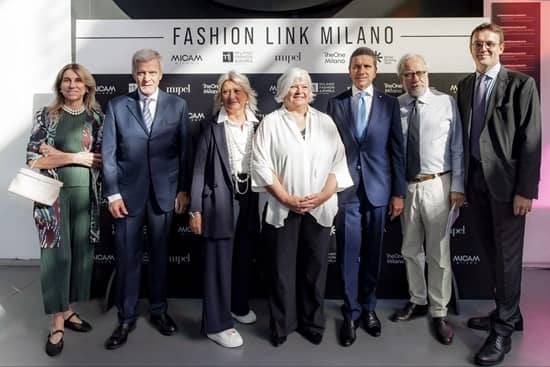
The discussion at the ADI Design Museum brought together a collaborative group of representatives from five prominent trade fairs: MICAM Milano, Milano Fashion&Jewels, MIPEL, TheOneMilano, and SIMAC Tanning Tech. These five events collectively represent a substantial ecosystem of 1,848 brands, covering various segments of the fashion and leather goods industry. Their joint participation underscored a collective commitment to understanding and adapting to the evolving landscape of global buying.
The session was specifically designed to examine how fashion buying processes are changing in response to digital advancements and shifting market dynamics, and consequently, how the role of the trade fair itself is evolving. The event was expertly led by a diverse panel of industry specialists: Orietta Pelizzari, a renowned Global Trend Researcher, provided insights into broader market shifts; Chiara Allegra Moretti, an experienced independent buyer, offered a crucial perspective from the purchaser's viewpoint; and Federico Galli, a skilled storyteller, helped to frame these complex changes into an accessible narrative for the attendees.
The announcement detailed that the research highlights a decisive move away from spontaneous, serendipitous discovery towards a more structured and intentional engagement. Buyers are reportedly utilizing the time before the fair to meticulously narrow down their focus, often through digital channels and preliminary research. This means the physical presence at the fair increasingly serves to validate, confirm, or finalize choices that have largely been made during the extensive preparatory phase, rather than being the primary site of initial product identification.
Collaborative Insights from Diverse Perspectives
The involvement of a Global Trend Researcher like Orietta Pelizzari was instrumental in contextualizing the observed shifts within broader industry trends, offering a macro-level understanding of the forces shaping buyer behavior. Chiara Allegra Moretti, as an independent buyer, provided invaluable firsthand accounts and practical insights into the actual workflow and decision-making processes of purchasers, lending authenticity and practical relevance to the research findings. Federico Galli's role as a storyteller ensured that these complex data points and behavioral changes were communicated effectively and engagingly to the diverse audience of industry professionals.
This multi-faceted approach, combining trend analysis, buyer experience, and clear communication, allowed for a comprehensive examination of the modern buyer journey. The collective representation of 1,848 brands across the five participating fairs further emphasized the broad applicability and critical importance of these findings for a significant portion of the fashion and leather goods market.
Implications for Brand Exposure and Networking
The data suggests a significant shift from the traditional model of attracting buyers primarily through broad, general exposure at a fair. This model is now being supplemented, and in many cases superseded, by the necessity for targeted pre-fair engagement. By arriving with a pre-built agenda, buyers are expected to interact more selectively and purposefully with exhibitors, focusing their limited time on validating specific interests rather than exploring widely.
Fashion Link Milano stated that the insights from "The Buyer Journey" provide a critical look into the operational shifts occurring within the industry. The organization noted that understanding this new workflow is not merely beneficial but absolutely critical for the five trade fairs involved in the study, as well as for the thousands of brands they host. It necessitates a re-evaluation of how trade shows are structured and how exhibitors approach their participation.
The discussion at the ADI Design Museum focused intently on aligning fair strategies with the actual, observed behaviors of purchasers. The deliberate involvement of an independent buyer and a global trend researcher alongside industry storytellers was specifically intended to provide a multi-faceted and holistic view of the current market dynamics, offering actionable intelligence for all stakeholders.
According to the press release, the research unequivocally confirms that the decision-making process for buyers now begins well before the physical fair. This fundamental change means that brands and exhibitors must proactively engage with potential buyers through digital channels, targeted marketing, and other strategic methods prior to the physical event to ensure they are included in the buyer's pre-built agenda. Failure to do so risks being overlooked in an increasingly pre-planned purchasing landscape.
While the announcement did not detail specific metrics regarding the volume or nature of online interactions, it strongly emphasized that this preparatory work constitutes a significant and indispensable part of the new buying routine. The five fairs represented in the study, covering various segments of the fashion and leather goods industry, now face the challenge and opportunity of adapting their platforms to facilitate this pre-fair engagement.
Fashion Link Milano released these findings to inform and guide industry stakeholders about the changing landscape of trade show participation. The organization highlighted that the profound evolution of the buyer journey requires proactive adaptation from both fair organizers, who must innovate their event formats, and participating brands, who must rethink their engagement strategies to capture buyer attention earlier in the decision-making cycle.
The event on September 8, 2026, served as a vital platform for presenting these observations to a wide array of professionals involved in the fashion supply chain. The collaboration between the five major fairs underscores a collective and strategic effort to address the shifting expectations and behaviors of global buyers, ensuring the continued relevance and effectiveness of trade shows in the modern era.