

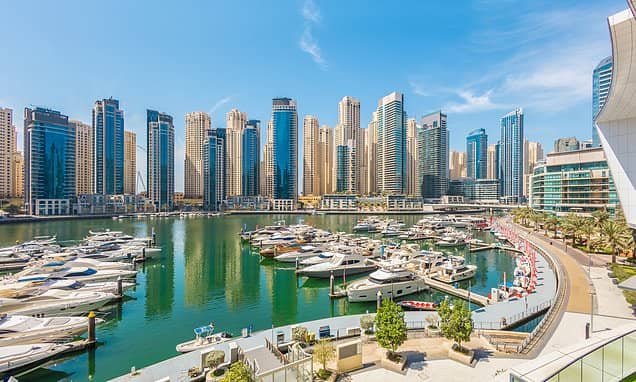

Tourism Sector Reports Standard Activity Levels
Dubai continues to operate as “business as usual” for tourists, according to recent travel reports published six months after the onset of regional conflict in the Middle East. The city, widely recognized as a prominent destination in the Gulf region, has maintained its status as an attractive winter getaway for international travelers seeking warmth and luxury amenities. This continuity underscores Dubai's established reputation as a reliable and high-end travel hub, even amidst broader geopolitical shifts.
Travel industry observers note that despite the ongoing geopolitical tensions in the broader Middle East, the most famous Emirati city has not experienced significant disruptions to its hospitality sector. Hotels, restaurants, and entertainment venues remain open and accessible to visitors from around the world, offering the same caliber of service and experiences as before the regional conflict. The operational continuity suggests that the local economy's reliance on tourism has remained stable during this period, demonstrating a remarkable resilience in the face of external pressures.
Reports from the field indicate that the infrastructure supporting high-end travel, including glitzy hotels, world-class shopping malls, and diverse dining options, continues to function without visible interruption. This stability contrasts with the broader regional instability, highlighting a clear separation between the geopolitical situation in neighboring areas and the day-to-day reality for visitors in Dubai. The seamless functioning of its tourism ecosystem, from airport operations to concierge services, reinforces the perception of Dubai as a secure and well-managed destination.
The consistent activity levels within Dubai's tourism sector are crucial for its economy, which heavily depends on international visitors. The continued influx of tourists, alongside the uninterrupted operation of luxury accommodations and entertainment facilities, signals confidence in the emirate's ability to provide a safe and enjoyable experience. This steadfastness is a key message being conveyed by travel agencies and tourism authorities to potential visitors globally.
Winter Destination Appeal Remains Strong
Dubai is currently being marketed and perceived as a viable alternative for travelers looking for warmth during the winter season. The city's appeal lies in its unique combination of a pleasant climate, world-class luxury accommodations, and extensive entertainment facilities, all of which remain fully operational six months after the conflict began. This consistent offering allows Dubai to maintain its competitive edge as a premier winter escape, especially for those seeking respite from colder climates in Europe and North America.
The allure of Dubai as a winter destination is multifaceted, encompassing not just its warm weather but also its reputation for opulent hotels, Michelin-starred dining, and a wide array of leisure activities. From pristine beaches to desert safaris and architectural marvels, the city continues to deliver on its promise of a lavish and diverse holiday experience. This comprehensive appeal is a significant factor in its sustained popularity among international tourists.
Accessibility and Visitor Experience
Travel guides and news outlets have consistently suggested that booking a trip to Dubai is feasible and straightforward for those planning winter vacations. The narrative surrounding the destination emphasizes its role as a “Gulf playground” that offers immediate relief from colder climates elsewhere, coupled with a promise of luxury and security. This positioning helps to reassure potential travelers about the practicalities and enjoyability of their visit.
Visitors who have traveled to the region in recent months report that the experience aligns closely with pre-conflict expectations. The availability of flights from major international hubs, ease of hotel reservations, and uninterrupted access to all major tourist attractions indicate that the travel industry has not imposed widespread restrictions on movement or tourism activities within the emirate. This continuity in visitor experience is paramount, ensuring that a holiday in Dubai remains as enjoyable and hassle-free as it has always been marketed.
Contrast With Regional Geopolitical Climate
While Dubai presents a picture of normalcy and stability to tourists, the broader Middle East is not entirely at peace. The regional conflict that began six months ago continues to affect other parts of the region, creating a stark contrast between the operational status of Dubai and the security situation in neighboring countries. This distinction is vital for understanding how Dubai manages to maintain its appeal.
Travel advisories and news reports often distinguish between the stable and secure environment in the United Arab Emirates and the volatile conditions in surrounding nations. This clear differentiation allows Dubai to maintain its position as a safe haven for international tourism despite the wider geopolitical unrest. The emirate's robust security measures and its focus on international business and tourism contribute significantly to this perception of insulation.
The persistence of tourism in Dubai underscores the city's strategic positioning as a global hub that remains insulated from regional conflicts. Business operations, including those in the hospitality, retail, and financial sectors, continue to serve both local residents and international visitors without apparent disruption. This strategic resilience is a testament to the city's governance and its commitment to maintaining a stable environment for commerce and leisure.
Industry Observations on Post-Conflict Travel
Media coverage of travel to Dubai six months after the conflict's onset consistently focuses on the resilience and robustness of its tourism sector. Articles describe the city as a place where visitors can engage in typical holiday activities, such as dining at upscale restaurants, exploring cultural sites, and staying in luxury hotels, all without encountering the direct effects of the regional war. This portrayal is critical for managing international perceptions and encouraging continued travel.
The description of Dubai as a place where “it's very much business as usual” reflects the consistent operational tempo of its service industries. This consistency has allowed travel agencies and tourism boards to continue promoting the city as a premier winter destination, leveraging its favorable climate and world-class amenities to attract visitors seeking stability and luxury during uncertain global times. The clear messaging from these stakeholders reinforces Dubai's image as a reliable choice.
Observers note that the ability to book and execute a holiday in Dubai six months after the conflict began demonstrates the city's capacity to maintain normalcy and uphold its high standards of service. The continued flow of tourists suggests that travel restrictions or safety concerns have not significantly impacted the decision-making process of international visitors choosing this destination over others in the region. This sustained visitor confidence is a strong indicator of Dubai's enduring appeal and its effective management of external challenges.