

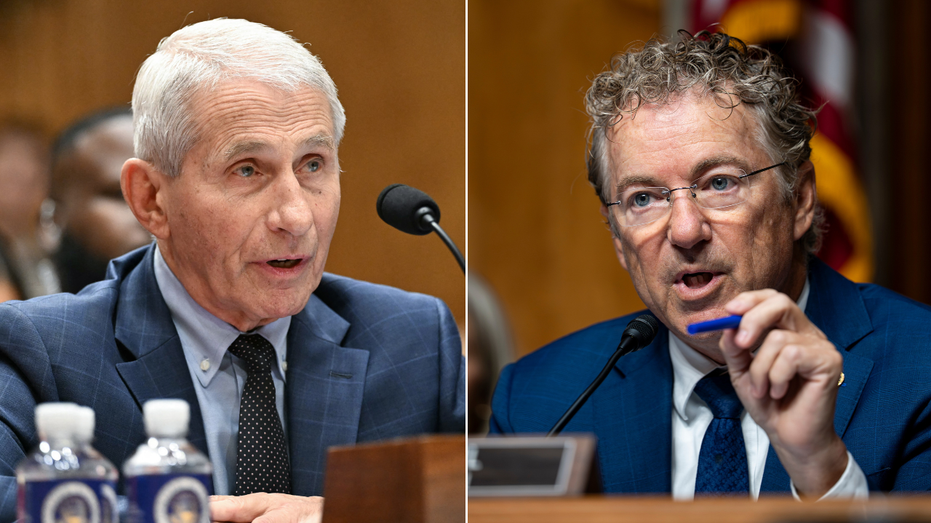

Fauci's Frequent Use Of The Silence Right
Dr. Anthony Fauci, a prominent figure during the global pandemic, invoked his Fifth Amendment right against self-incrimination a striking 111 times during congressional testimony. These invocations occurred during hearings focused on pandemic-related matters, where Fauci was questioned extensively by lawmakers.
The Fifth Amendment of the U.S. Constitution provides individuals with the right to refuse to answer questions that might incriminate them. While this right is fundamental, its frequent use by a high-profile public official during congressional proceedings has drawn considerable attention and scrutiny, raising questions about the implications for ongoing investigations and potential legal actions.
Echoes of Past Congressional Probes
The Lerner Precedent in Congressional Testimony
The extensive invocation of the Fifth Amendment by Dr. Fauci has drawn comparisons to the case of Lois Lerner, a former director of the Exempt Organizations Unit at the Internal Revenue Service (IRS). Lerner became a central figure in a congressional investigation into allegations that the IRS had improperly targeted conservative political groups for additional scrutiny when they applied for tax-exempt status.
During her testimony before Congress, Lerner famously invoked her Fifth Amendment right, refusing to answer questions about her role in the alleged targeting. Her actions sparked a significant legal and political debate regarding the scope of the Fifth Amendment in congressional inquiries and the ability of Congress to compel testimony from witnesses, especially those who have made opening statements or previously denied wrongdoing.
The parallel drawn between Fauci's situation and Lerner's case highlights the rare and impactful nature of a public official repeatedly declining to answer questions on grounds of self-incrimination during legislative oversight. Both instances underscore the tension between a witness's constitutional rights and Congress's investigative powers, setting a precedent for how such situations are perceived and potentially handled.
Legal Ramifications and Justice Department Scrutiny
The Fifth Amendment's Role in Congressional Inquiries
The Fifth Amendment's protection against self-incrimination is a cornerstone of American jurisprudence, safeguarding individuals from being compelled to provide testimony that could lead to criminal charges. While often invoked in criminal proceedings, its application in congressional testimony, particularly by government officials, introduces a layer of complexity. When a witness invokes this right, it signals a potential belief that their answers could expose them to criminal liability, even if no charges have been filed.
The sheer number of times Dr. Fauci invoked this right—111 instances—is particularly noteworthy. Such a high frequency can intensify public and political pressure, fueling speculation about the nature of the information being withheld and the potential legal exposure of the individual. It also presents a challenge to congressional committees seeking to gather information and conduct oversight, as their ability to obtain direct answers is significantly hampered.
DOJ's Discretion in Pursuing Charges
A critical aspect of the fallout from such extensive Fifth Amendment invocations involves the Department of Justice (DOJ). Historically, the DOJ holds the discretion to decide whether to pursue prosecution in cases where individuals, including public officials, invoke their right against self-incrimination during congressional testimony. The decision to prosecute is complex, involving an assessment of the evidence, the potential for a successful conviction, and broader public interest considerations.
Questions have specifically arisen regarding whether the Department of Justice, particularly under the Trump administration, would have pursued prosecution in such cases. The political climate and the administration's priorities can significantly influence the DOJ's approach to investigations and potential charges related to congressional testimony. The decision-making process within the DOJ is often shielded from public view, but it remains a crucial determinant of whether such matters escalate beyond congressional hearings.
Path to Potential Courtroom Battles
The numerous Fifth Amendment pleas made by Dr. Fauci could potentially lead to legal challenges reaching the court system. When a witness invokes the Fifth Amendment, it can trigger various legal pathways. Congress, for instance, could consider holding a witness in contempt if it believes the invocation was unwarranted or if the witness selectively invoked the right after making substantive statements.
Alternatively, the Department of Justice, based on its own investigations or referrals from Congress, could initiate criminal proceedings if it determines that there is sufficient evidence of wrongdoing that warrants prosecution. The high number of invocations suggests a significant potential for legal scrutiny, as each instance represents a refusal to provide information that could be deemed relevant to an investigation. The ultimate trajectory of these matters into the court system would depend heavily on the actions taken by both congressional bodies and the Department of Justice, shaping the legal landscape for public officials testifying before Congress in the future.