

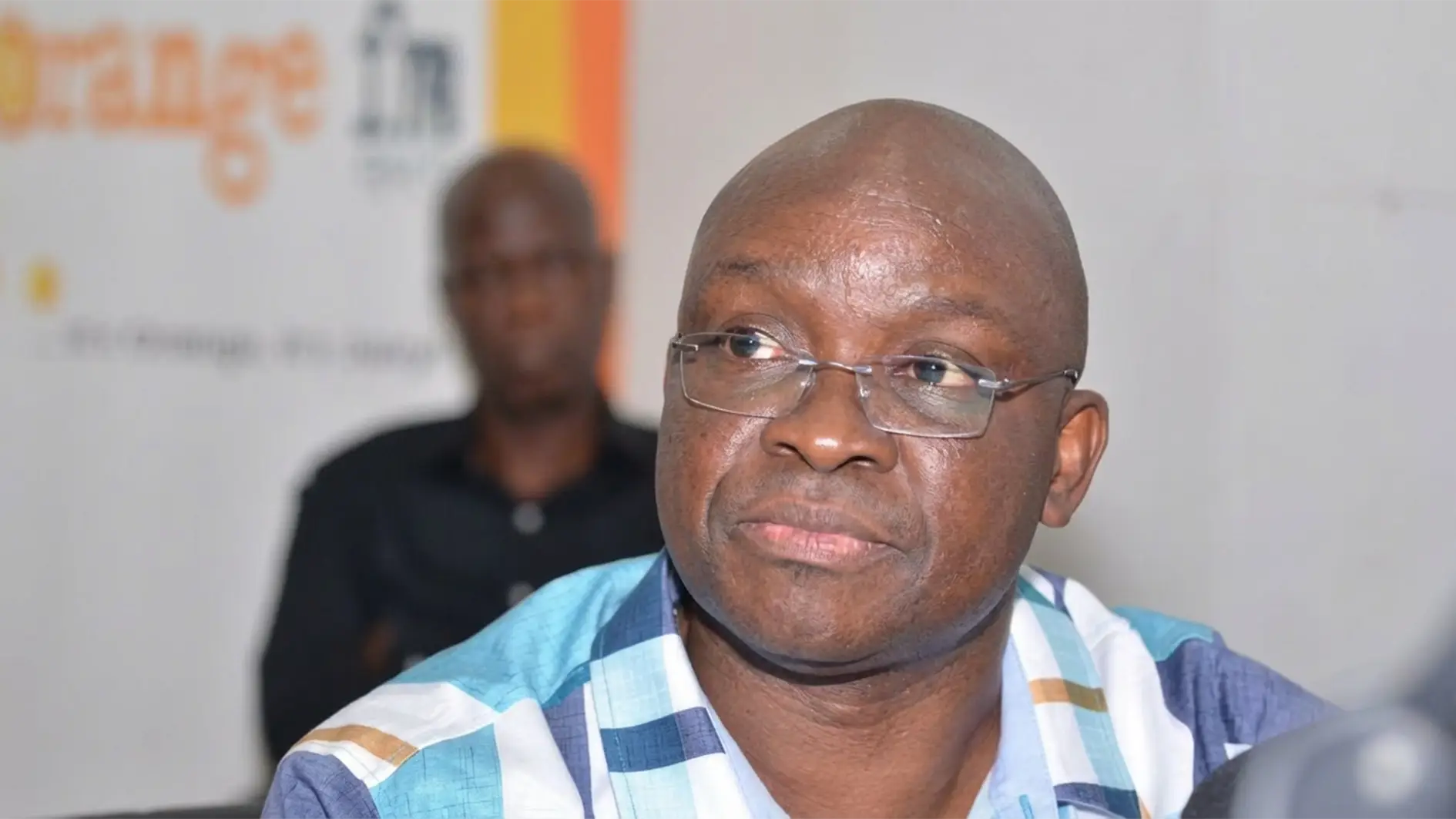

Fayose Rejects Top APC Overtures
Ayo Fayose, the former governor of Ekiti State, has publicly disclosed the compelling reasons behind his refusal to accept invitations from two of Nigeria's most prominent political figures, President Bola Tinubu and former President Muhammadu Buhari, to join the All Progressives Congress (APC). The former politician made these revelations on Tuesday while addressing members of the press, unequivocally stating that his decision was rooted in deep personal conviction rather than any calculated political strategy or opportunism.
Fayose clarified that despite the significant weight carried by offers extended by such high-ranking leadership figures within the APC, including a sitting President and a former Head of State, he remained unyielding in his position not to defect from the Peoples Democratic Party (PDP). He asserted that these high-level invitations, while noteworthy, were ultimately insufficient to alter his fundamental stance regarding party affiliation and political principles.
A Stance Rooted in Principle
The former governor's explanation offers a rare glimpse into the internal considerations of a seasoned politician faced with the allure of aligning with the ruling party. In a political landscape often characterized by fluid allegiances and strategic cross-carpeting, Fayose's insistence on personal conviction as the bedrock of his decision stands out. He underscored that his choice was not a tactical maneuver designed to gain political leverage or secure future benefits, but rather a reflection of deeply held beliefs about his political identity and loyalty to the PDP.
Declining overtures from figures of Buhari and Tinubu's stature highlights a firm adherence to his existing party platform, even when presented with opportunities that many politicians might find difficult to resist. This public declaration serves to delineate Fayose's political posture as one guided by internal principles, rather than external inducements or the prevailing winds of political realignment that often sweep through Nigeria's party system.
Cross-Party Alignment in Ekiti State
During the same engagement with journalists, Fayose also addressed questions regarding his political alignment within Ekiti State, offering further insights into his nuanced approach to governance and party politics. He explained that he continues to lend his support to the administration of Biodun Oyebanji, the current governor of Ekiti State, despite being a prominent member of the opposition PDP at the federal level.
This clarification serves to distinguish Fayose’s personal party loyalty and federal political stance from his operational support for the state government’s activities. Governor Oyebanji, being an APC member, leads an administration that Fayose, a PDP stalwart, has publicly endorsed. This demonstrates a willingness to prioritize effective governance and state development over strict partisan divides at the sub-national level.
Navigating Party Lines and Governance
By separating his role as a PDP member from his stance on governance in Ekiti, Fayose sought to outline a political posture that does not rigidly align with the ruling APC at the federal level, yet fosters cooperation for the benefit of his home state. His support for Governor Oyebanji's administration suggests a pragmatic approach to state affairs, where the welfare of Ekiti citizens may supersede inter-party rivalries. This dual stance paints a picture of a politician who, while firm in his federal party loyalty, is also prepared to back initiatives and leadership that he believes are beneficial to his state, regardless of their party affiliation.
This approach contrasts sharply with the often-observed trend where opposition figures withhold support from ruling party administrations, even at the state level. Fayose's public endorsement of Oyebanji's government, therefore, provides a unique example of cross-party collaboration in the interest of state progress, while simultaneously reinforcing his commitment to the PDP at the national political stage.
Nigeria's Shifting Political Landscape
The disclosures from former Governor Fayose come amid ongoing discussions about political realignment and the fluidity of party membership within Nigeria’s major political parties. The nation's political scene frequently witnesses high-profile defections, particularly by politicians moving to the party in power, often driven by perceived strategic advantages or political survival.
Fayose’s explanation highlights a significant divergence between personal ideological choices and the strategic maneuvers often associated with defection to the ruling party. His comments underscore his assertion that external offers from prominent national leaders, including a former and a current President, did not override his internal principles regarding party membership. His decision to remain with the PDP, despite the powerful invitations, offers a counter-narrative to the common perception that political loyalty in Nigeria is easily swayed by opportunities for power or influence within the dominant party.