


Connecticut Ruling Reverses Executive Order
A federal judge in Connecticut has ordered the Federal Bureau of Prisons (BOP) to reinstate collective bargaining agreements with the union representing tens of thousands of agency employees. The order, issued by U.S. District Judge Vernon Oliver, directs the reinstatement of amendments and local supplemental agreements that were previously terminated.
The ruling restores collective bargaining rights for more than 30,000 workers across the country. Under the judge's directive, these agreements will continue through May 28, 2029.
Justice Oliver’s decision reverses a prior determination by BOP Director Billy Marshall. The reversal undoes the effects of Executive Order 14251, which was signed by President Donald Trump in March 2025 and formally ended the collective bargaining rights for these federal prison workers.
Union Officials Cite Safety Concerns
José Rojas, Fair Practices Coordinator for the Council of Prison Locals (CPL) 33, stated that the union serves as whistleblowers for the public and ensures fair treatment for both staff and inmates. Rojas reported that the absence of a collective bargaining agreement resulted in more perilous working conditions.
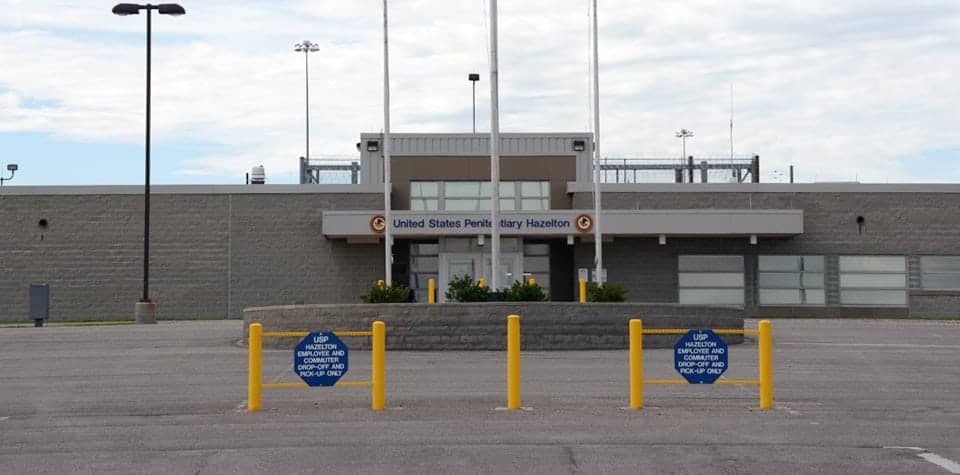
Rojas cited specific incidents at the Federal Correctional Institution (FCI) Hazelton where guards were exposed to unknown substances. These exposures required hospitalization or rendered officers unconscious, according to the union official.
He claimed that in the absence of a union, management did not immediately involve the Occupational Health and Safety Organization (OSHA) regarding these safety issues. Rojas noted that staffing has been a serious issue across the system and that union protection was previously attractive for recruiting new officers by providing representation during investigations.
Political Opposition to Bargaining Rights
Rojas noted that incumbents U.S. Senators Shelley Moore Capito and Riley Moore did not support efforts to regain bargaining rights. He characterized the lack of support from these senators as "politically motivated." The ruling marks a legal shift in the status of federal prison labor relations following the executive action taken two years prior.