


The 32-Day Blitz Begins in Texas and Ohio
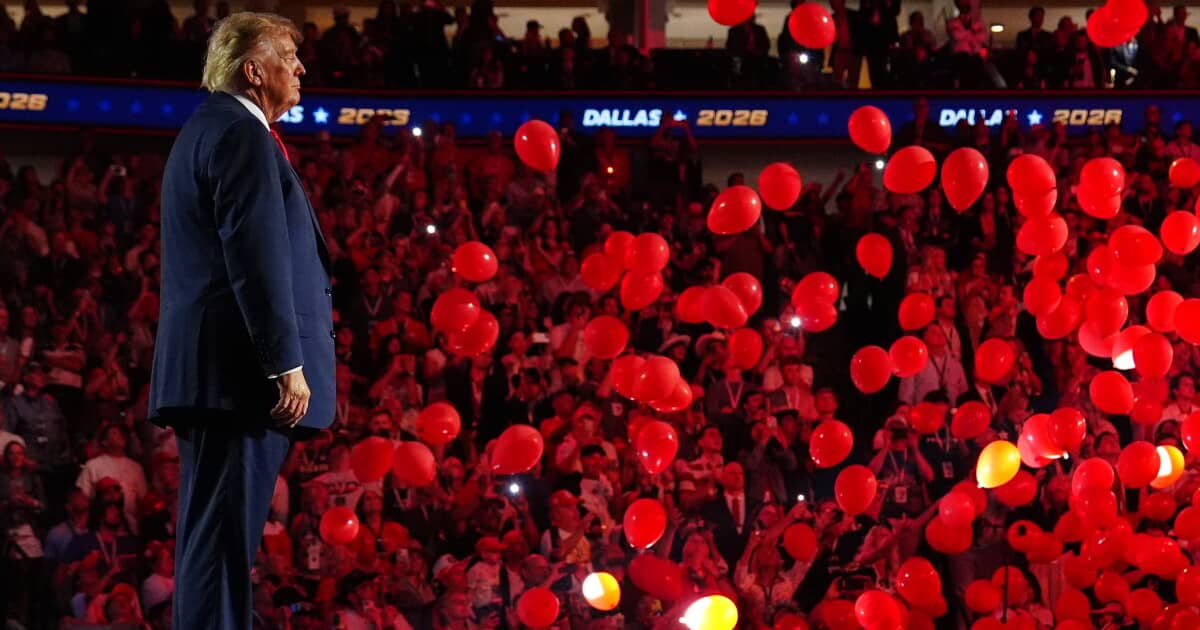
President Trump is preparing for a 32-day campaign tour ahead of the midterm elections, positioning himself at the center of the Republican Party's final push before the vote. The blitz to the midterm elections will begin on Thursday with a trip to Texas.
Trump plans to spend the next 32 days crisscrossing the country as part of this effort. Following the initial stop in Texas and Ohio on Thursday, the schedule includes Alabama on Friday and Nebraska on Monday.
The president is putting himself at the center of the Republican Party's final push before the midterms, aiming to rally support for candidates across the nation. This intensive schedule underscores his strategy of maintaining a visible presence in key states during the critical final weeks of the election cycle.
Internal GOP Dynamics and Policy Messaging
While some top Republican elected officials and candidates have begun to distance themselves from Trump, he maintains that "They all want me to go" and help out in their races. This assertion contrasts with reports of growing separation between the president and certain party figures.
Trump believes the best way to help the GOP is by personally rallying his "Make America Great Again" base. In addition to campaigning, he is encouraging candidates to support his agenda.
The president is pointing to policy wins such as Trump Rx and Trump accounts as part of his campaign narrative. These specific initiatives are cited as key elements of his platform during the tour, serving as tangible examples of his administration's legislative achievements.
Consumer Sentiment Drops Amid Economic Anxiety
Economic concerns are weighing on voters as the election approaches. Consumer sentiment fell to 48.1 in September according to the University of Michigan's Surveys of Consumers.
This figure represents a decline from 51.7 in August and is down 15% from January 2026. These statistics provide context for the economic landscape in which the midterm campaigns are taking place, highlighting the challenges facing incumbents as voters express dissatisfaction with current economic conditions.