


Children's Day Observance Highlights Youth Strength
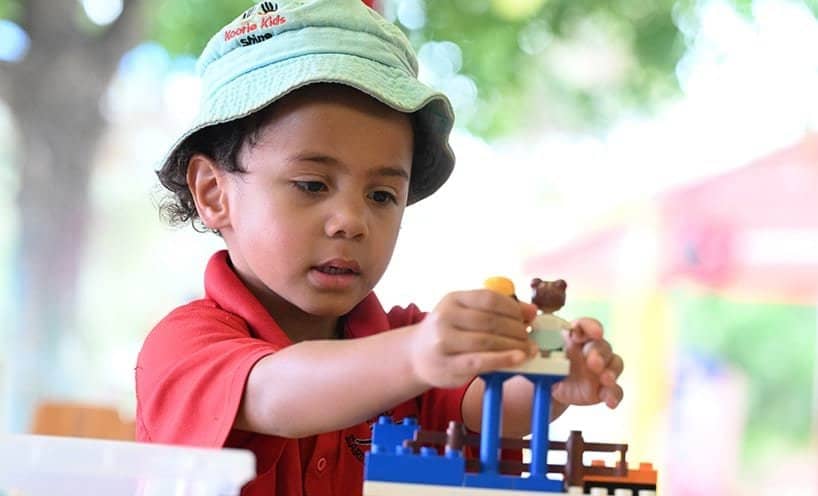
Children's Day is being observed as a significant time to recognize and celebrate the inherent strength and profound resilience of First Nations youth. This annual occasion serves as a vital platform to highlight the enduring capabilities and spirit of young people within Indigenous communities, focusing intently on their capacity to withstand multifaceted challenges and actively maintain their rich cultural continuity amidst evolving societal landscapes.
The celebration intentionally underscores the positive attributes, vibrant contributions, and immense potential of this crucial demographic. By centering the narrative on the concept of resilience, the observance provides a powerful platform to acknowledge the deep-seated vitality and unwavering spirit present within First Nations populations, even in the face of broader societal pressures and historical adversities. It aims to shift focus towards the positive aspects of Indigenous youth development and their active role in shaping the future of their communities.
Leaders Issue Warnings Regarding Policy Impacts
Amidst these important celebrations, First Nations leaders have concurrently issued serious cautions regarding the significant risks currently faced by their youth. These respected leaders have explicitly warned of the various forms of harm that young people are encountering, directly pointing to specific external factors as the primary sources of this danger and vulnerability. Their warnings serve as a stark counterpoint to the celebratory aspects of Children's Day, highlighting urgent concerns that demand attention.
A primary and consistent focus of these critical warnings is the profound and often detrimental impact of government policies. Leaders have unequivocally identified certain harmful policies as a significant and pervasive source of risk for First Nations youth. The criticism strongly suggests that current legislative or administrative frameworks, rather than offering support or solutions, may in fact be exacerbating existing difficulties and creating new obstacles for young Indigenous individuals, rather than effectively alleviating them.
Expert Criticism of Current Approaches
In a powerful alignment with community leaders, experts in relevant fields have joined in expressing deep concern over the prevailing situation. These experts, drawing from their specialized knowledge and research, have issued their own warnings and criticisms regarding the specific policies affecting First Nations youth. Their commentary consistently aligns with the leadership's stance, indicating a shared and urgent perspective on the negative effects and unintended consequences of current governmental measures and strategies.
The criticism emanating from these experts focuses sharply on the tangible, real-world outcomes of these policies. By meticulously highlighting the harm caused, they argue with compelling evidence that the current approach is proving to be detrimental to the holistic well-being of young Indigenous people. This robust alignment between respected community leaders and independent outside experts significantly reinforces the urgency and validity of the warnings being issued during the Children's Day observance, amplifying the call for immediate review and reform.
Contrasting Narratives of Celebration and Concern
The current discourse surrounding Children's Day is profoundly defined by a compelling juxtaposition of celebration and urgent warning. While the day is purposefully designated to highlight the inherent strength and positive attributes of First Nations youth, it simultaneously serves as a crucial vehicle for raising alarms about persistent systemic issues that continue to impact their lives and futures. This dual narrative ensures that while resilience is celebrated, underlying challenges are not overlooked.
First Nations leaders are strategically using the heightened visibility and attention afforded by Children's Day to draw critical attention to the specific harms and adverse consequences directly caused by policy decisions. The warnings they issue are not merely general observations or abstract concerns; rather, they are precisely directed at actionable areas of concern, specifically targeting the regulatory and legislative environment in which youth operate and develop. This focus on policy underscores a demand for concrete changes rather than just acknowledgment of problems.
Addressing Structural Factors
The presence of expert criticism adds a crucial layer of analytical weight and credibility to these warnings. By framing the issue through the lens of policy impact and structural deficiencies, the discourse moves beyond individual experiences of hardship to address the broader, systemic factors at play. This comprehensive approach suggests that the very resilience celebrated on Children's Day is being continually tested and challenged by external forces and institutional frameworks that urgently require attention, critical re-evaluation, and potential reform to ensure the long-term well-being of Indigenous youth.
Advocating for Youth Well-being and Policy Reform
The core of the concern, consistently articulated by both First Nations leaders and experts, remains the comprehensive well-being of First Nations youth. The warnings issued are deeply rooted in a fundamental desire to protect this vital demographic from identified harms and to foster environments where they can thrive. The recognition of their remarkable strength and resilience does not, in any way, negate the fundamental need for robust safety nets, comprehensive support systems, and equitable opportunities.
Instead, the celebration of resilience is powerfully paired with a clear and unequivocal demand for meaningful change. The overarching narrative suggests that acknowledging the inherent strength of First Nations youth must be accompanied by proactive and effective measures to address the persistent threats and systemic challenges that undermine it. This dual focus – celebrating strength while simultaneously advocating for necessary policy reform – profoundly characterizes the current response and engagement with Children's Day within First Nations communities across the nation, aiming for a future where celebration and safety can coexist without compromise.