

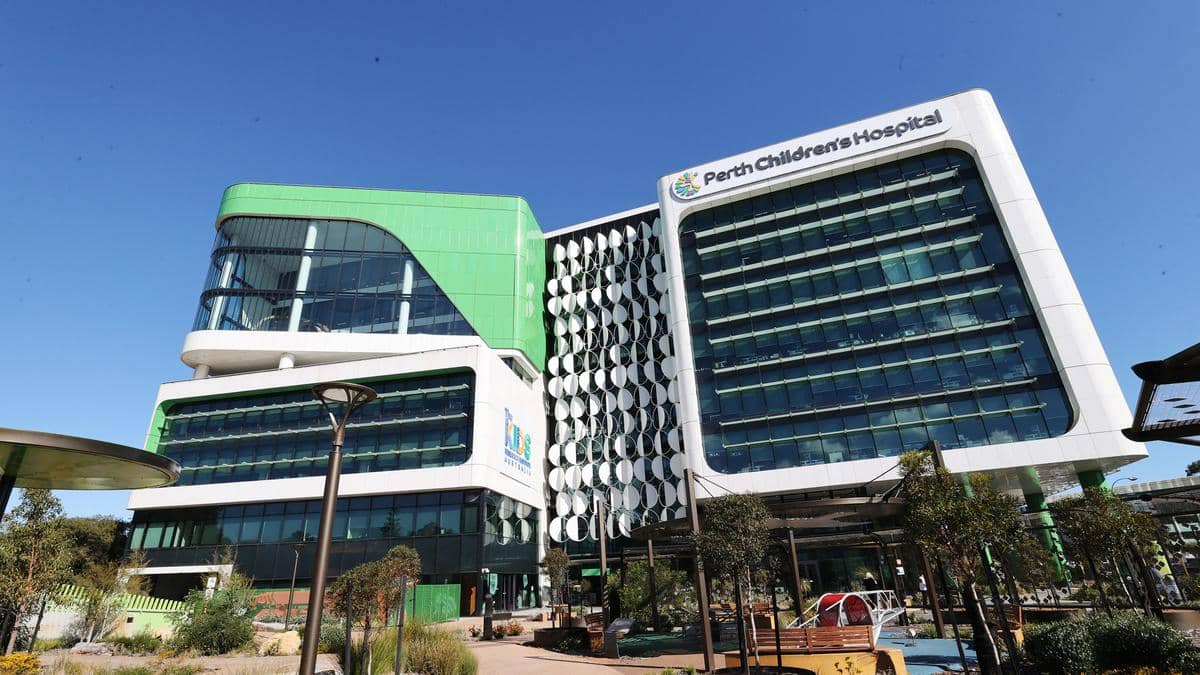

Persistent Fire Risks on Perth's Public Buildings
Flammable cladding, a material widely recognized for its fire safety hazards, continues to adorn the facades of several hospitals and educational institutions across Perth. This concerning situation, initially brought to light by reports from The West Australian, represents a protracted safety issue that has lingered for nearly a decade since a comprehensive audit into the potentially dangerous material was first initiated.
The continued presence of these combustible materials on critical public infrastructure underscores a significantly prolonged timeline for safety assessments and subsequent remediation efforts within Western Australia. The initial audit, launched almost ten years ago, was intended as the primary mechanism for identifying and addressing the prevalence of these high-risk cladding types. Despite the considerable passage of time since its commencement, the complete removal of the material has not been achieved across all identified affected sites, leaving vital community facilities exposed to ongoing fire safety concerns.
This decade-long delay in fully addressing a known fire risk on buildings that house vulnerable populations—patients in hospitals and children in schools—raises profound questions about the efficacy and urgency of public safety protocols. The prolonged nature of this issue suggests systemic challenges in the execution of remediation projects, potentially encompassing aspects of funding, logistical coordination, and regulatory oversight.
A Decade of Unresolved Fire Safety Concerns
The specific public facilities still identified as containing flammable cladding are concentrated within the Perth metropolitan area, encompassing both hospitals and schools. These institutions, by their very nature, are designed to serve and protect large segments of the community, including some of its most vulnerable members. The continued presence of combustible materials on such critical infrastructure directly challenges the expected safety standards and duty of care associated with public buildings.
Tracing the Audit's Protracted History
The genesis of this enduring problem can be traced back to an audit initiated nearly a decade ago. This comprehensive review was designed to systematically identify and assess the extent of flammable cladding usage across public buildings in Western Australia. The timeline indicates that the initial identification and assessment phases of the cladding issue were completed during this period. However, despite these early findings, the hazardous material has, in many instances, remained in situ on some of these critical public buildings for the entirety of the intervening period.
The audit's findings were crucial for understanding the scale of the problem and for informing subsequent remediation strategies. Yet, the fact that the issue persists nearly ten years later suggests a significant disconnect between identification and resolution. This protracted timeline raises questions about the initial scope of the audit, the resources allocated for follow-up, and the political will to enforce swift and complete remediation.
Ongoing Remediation Efforts Face Scrutiny
Current reports confirm that while the initial audits successfully identified the problem, the complete and comprehensive removal of flammable cladding has not yet been achieved across all the sites initially flagged. The persistent presence of this material on operational hospitals and schools strongly indicates that remediation efforts have been either partial in scope, addressing only certain sections or buildings, or have been ongoing for an unacceptably extended duration. This piecemeal or slow approach means that the underlying fire safety risks have not been fully mitigated, leaving the occupants of these buildings potentially exposed.
The nature of these remediation projects is often complex, involving detailed planning, significant financial investment, and careful execution to avoid disrupting essential services. However, the decade-long timeframe suggests that these complexities have either been underestimated or inadequately managed, leading to the current stalemate where known hazards remain unaddressed.
Addressing a Systemic Public Safety Challenge
The prolonged failure to remove flammable cladding from Perth's hospitals and schools extends beyond a mere logistical challenge; it represents a significant systemic public safety issue. Hospitals are environments where patient safety is paramount, often housing individuals with limited mobility or compromised health who would be particularly vulnerable in the event of a fire. Similarly, schools are entrusted with the safety of children, requiring the highest standards of building integrity and emergency preparedness.
Impact on Community Confidence
The continued presence of these materials can erode public confidence in the government's ability to ensure the safety of public infrastructure. Parents sending their children to school and patients attending hospitals expect these facilities to be free from known and preventable hazards. The decade-long delay in addressing this issue could foster a perception of complacency or a lack of accountability, potentially impacting trust in public institutions and authorities responsible for building safety regulations.
The Complexities of Large-Scale Remediation
While the urgency for removal is clear, the practicalities of undertaking such large-scale remediation projects are undoubtedly complex. These complexities typically involve securing substantial funding, coordinating intricate construction work around operational public services, sourcing compliant replacement materials, and managing potential disruptions to patients, students, and staff. However, the duration of the delay suggests that these challenges have not been effectively overcome, leading to a prolonged state of risk.
Effective remediation requires not only the identification of hazardous materials but also a robust plan for their safe removal and replacement, coupled with stringent oversight to ensure timely completion. The situation in Perth highlights the critical need for an accelerated and decisive approach to mitigate these long-standing fire risks, ensuring that public buildings meet the highest possible safety standards for all who use them.