

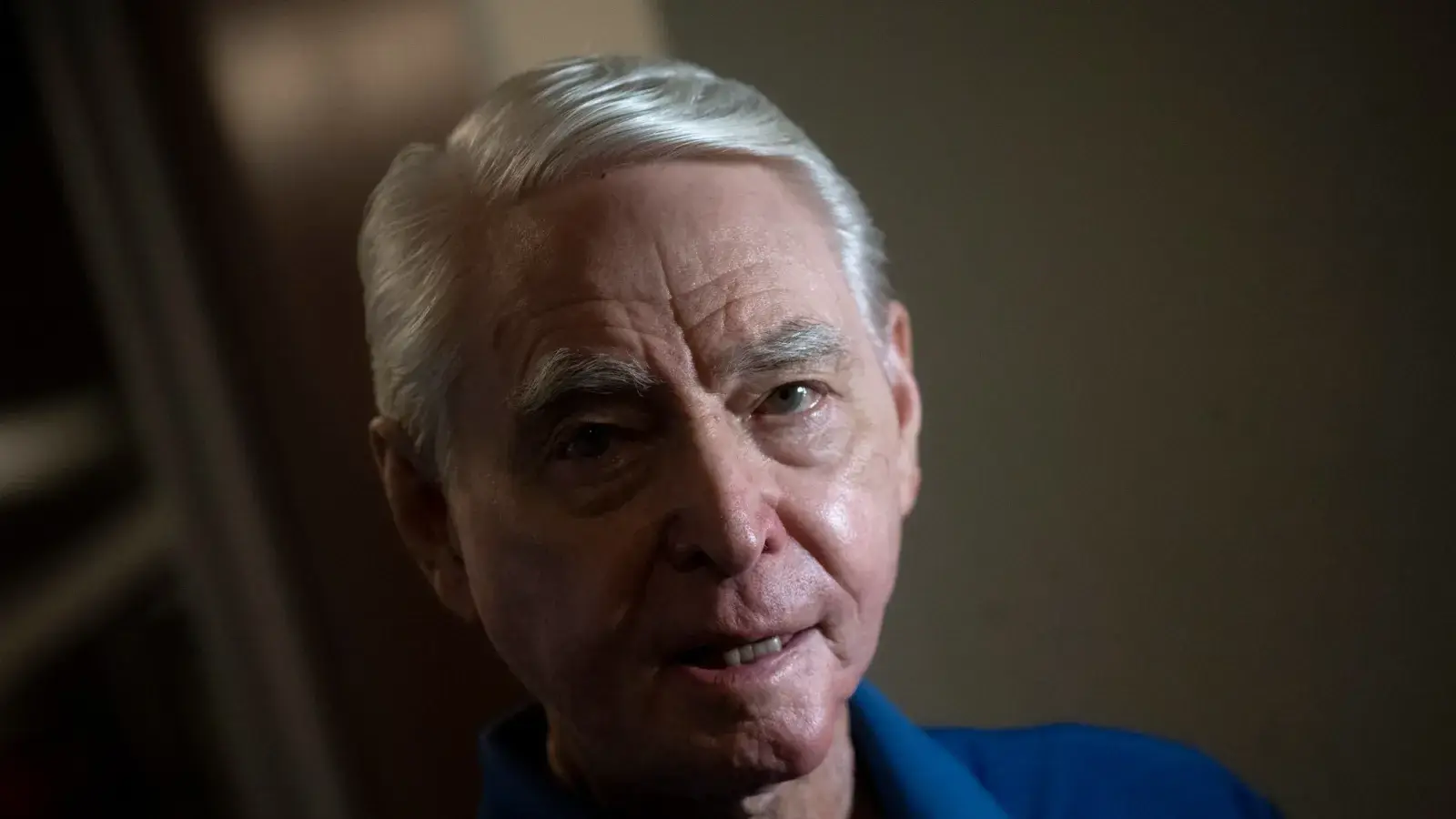

A Longtime Architect of Dodgers Dynasty Passes Away
Fred Claire, the former general manager who played a pivotal role in shaping the Los Angeles Dodgers during one of their most successful eras, has died. He was 91 years old.
According to reports from the Daily News, Claire passed away on Monday following a prolonged battle with cancer. His death marks the end of an era for a franchise that he helped transform from a struggling organization into a perennial contender and eventual World Series champion.
From Sportswriter to Front Office Leader
Claire’s journey to the top of the baseball operations hierarchy was unconventional. Before donning the suit of an executive, he spent years behind the press box microphone. During the 1950s and 1960s, he worked as a sports writer for several Southern California publications, including the Whittier Daily News, the Pomona Progress-Bulletin, and the Long Beach Press-Telegram.
His beat expanded in 1969 when he began covering the Dodgers. This deep familiarity with the team’s inner workings and its star players eventually paved the way for his transition into the front office. Claire worked for the Dodgers in various capacities from 1969 through 1998, a tenure that spanned nearly three decades of significant change in Major League Baseball.
The Unexpected Rise to General Manager
Claire’s ascent to the general manager’s office was precipitated by a crisis. In 1987, then-GM Al Campanis resigned after making offensive comments on ABC’s Nightline that sparked widespread controversy and condemnation across the baseball world.
In the wake of Campanis’s departure, Dodgers president Peter O’Malley needed to fill the void. Despite Claire lacking experience in player evaluation at that time, O’Malley moved him into the GM position. This decision proved to be a turning point for the franchise. Claire served as general manager from 1987 through 1998, overseeing a period of intense competitiveness and eventual glory.
Championship Legacy and Franchise Impact
The culmination of Claire’s tenure was the 1988 World Series title. Under his leadership, the Dodgers defeated the Oakland Athletics in a dramatic seven-game series, cementing their status as a powerhouse in Los Angeles.
Stan Kasten, the current president and CEO of the Dodgers, acknowledged the magnitude of Claire’s contributions to the organization. In a statement regarding Claire’s passing, Kasten noted that the team is grieving the loss of a "longtime key fixture" who brought victories, legends, and the 1988 World Series title to the franchise.
Claire’s impact extended beyond just winning games; he helped build the roster identity that defined Dodgers baseball for years. His ability to navigate the complexities of player development, free agency, and media relations—skills honed during his earlier career as a journalist—made him a unique and effective leader in the front office.
Remembering a Pioneer
Claire’s career serves as a testament to the value of diverse backgrounds in baseball leadership. His transition from reporter to executive allowed him to approach team building with a perspective that was both analytical and deeply connected to the public face of the sport.
His passing at age 91 leaves a void in the baseball community, particularly among those who witnessed his influence firsthand during the late 20th century. The Dodgers organization, now one of the most valuable and successful franchises in sports, traces much of its modern identity to the foundation laid during Claire’s years of service.
As the baseball world reflects on his life, Claire is remembered not just for the championship he helped secure, but for the steady hand he provided during a period of transition and growth. His legacy remains intertwined with the golden era of Dodgers baseball, a time when the team consistently challenged for the title and captured the imagination of fans across Southern California.