

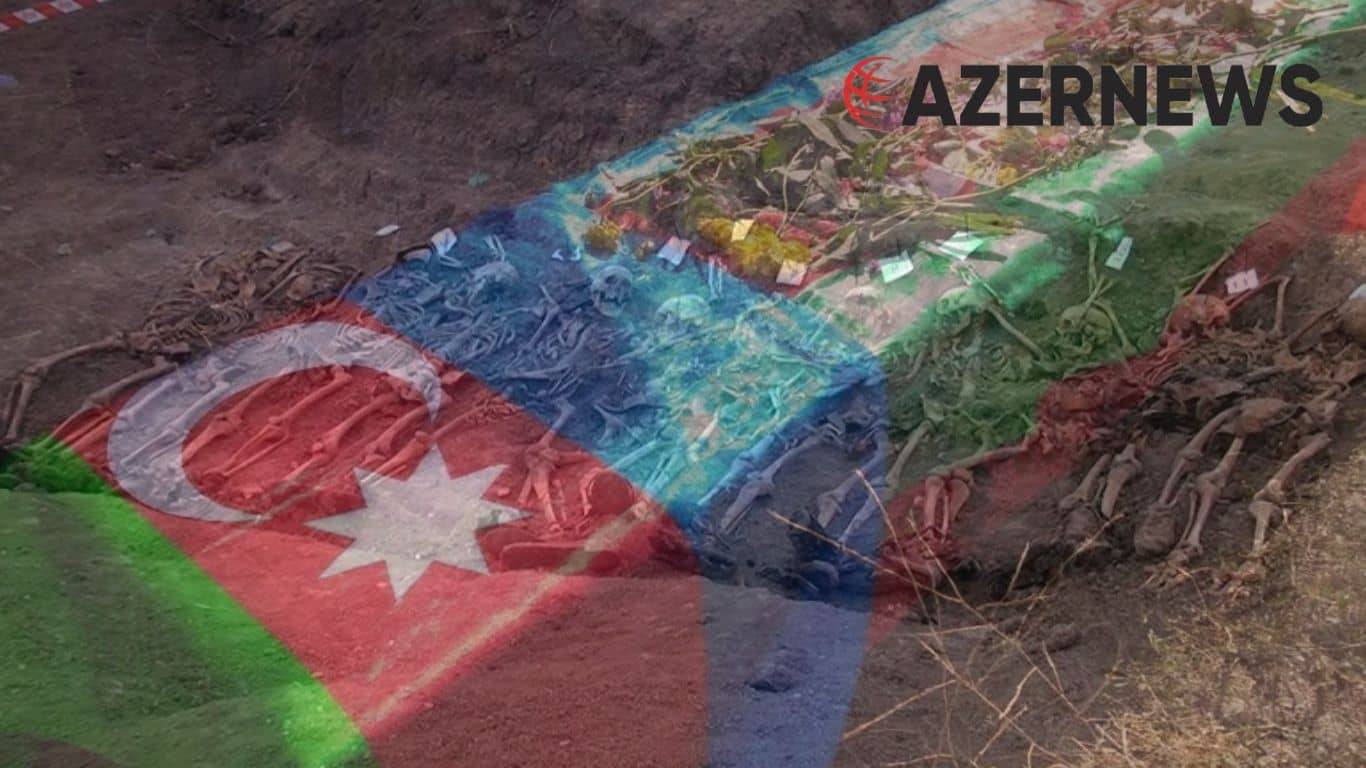

Conference Addresses Humanitarian Legacy of South Caucasus Conflict
Baku hosted an international gathering focused on modern methods for resolving issues regarding missing persons and enhancing regional cooperation. The event took place on June 30 in the Azerbaijani capital, organized in partnership with the International Commission on Missing Persons (ICMP). Participants framed the proceedings as a humanitarian appeal while simultaneously serving as a political reminder concerning unresolved wartime disappearances.
According to officials present at the conference, these unresolved cases represent one of the deepest wounds associated with the conflict in the South Caucasus. The gathering highlighted that missing persons are not merely statistical categories produced by armed struggle but rather individuals representing fathers who never returned home and daughters whose final moments remain unknown. Forensic experts described soldiers buried without names and families condemned to live between hope and mourning as a direct consequence of the ongoing geopolitical tensions.
Azerbaijani participants utilized the platform to present updated statistics regarding the human toll of the conflict. The data provided indicates that 4,010 people remain registered as missing according to official figures available on June 30, 2026. These numbers reflect a long-standing effort by Baku to maintain an accurate registry despite the passage of time since the cessation of hostilities in various theaters.
The breakdown of these statistics reveals that 4,004 individuals are registered as missing from what is referred to as the First Karabakh War. In contrast, only six people have been recorded as missing specifically from the war fought in 2020. This disparity suggests a different scale or nature of disappearance between the two major military conflicts involving Azerbaijan and Armenia over control of the Nagorno-Karabakh region.
Since initiating this process in 2002, Azerbaijani representatives have introduced resolutions regarding missing persons at the United Nations General Assembly on a biennial basis. These diplomatic efforts have resulted in consensus adoption by member states according to records from Baku. The consistent two-year cycle of these resolutions underscores the sustained international attention given to the issue over more than two decades.
Forensic Efforts and Biological Sample Collection
The conference provided an opportunity to discuss tangible progress made in identifying remains through scientific means. Organizers reported that 11,542 biological donor samples were collected during the period leading up to or including June 30, 2026. These samples serve as critical reference points for DNA analysis aimed at matching unidentified remains with family members seeking closure.
Remains believed to belong to missing persons have been discovered through field operations and forensic investigations conducted by relevant authorities. As of the date of reporting on June 30, officials stated that these discoveries include bodies attributed to a total of 893 individuals who are registered in the database as missing.
Forensic examination has successfully identified specific identities within this group of recovered remains. According to data presented at the event, forensic analysis confirmed the identity of 327 individuals through DNA matching and other scientific methodologies applied to skeletal material found during search operations.
Diplomatic Framing and Political Implications
The presentation of these figures by Azerbaijani authorities was described as both a humanitarian appeal and a political reminder. The event organizers emphasized that unresolved wartime disappearances constitute one of the deepest wounds of the South Caucasus conflict.
Participants noted that missing persons represent families condemned to live between hope and mourning, highlighting the human cost beyond mere statistics. This framing connects the statistical data directly to the lived experiences of victims' relatives who continue to search for answers regarding their loved ones.
Diplomatic Engagement at United Nations
The diplomatic strategy employed by Azerbaijan involves regular engagement with international bodies such as the UN General Assembly. Since 2002, resolutions on missing persons have been introduced every two years under Azerbaijani initiative and adopted by consensus.
This consistent approach has maintained the issue on the global agenda for over twenty-four years since its inception in 2002. The biennial nature of these introductions ensures that the topic receives periodic attention regardless of changing geopolitical circumstances or shifting priorities within international organizations.