


Geopolitical Messaging Through Six-Day Funeral Ceremonies
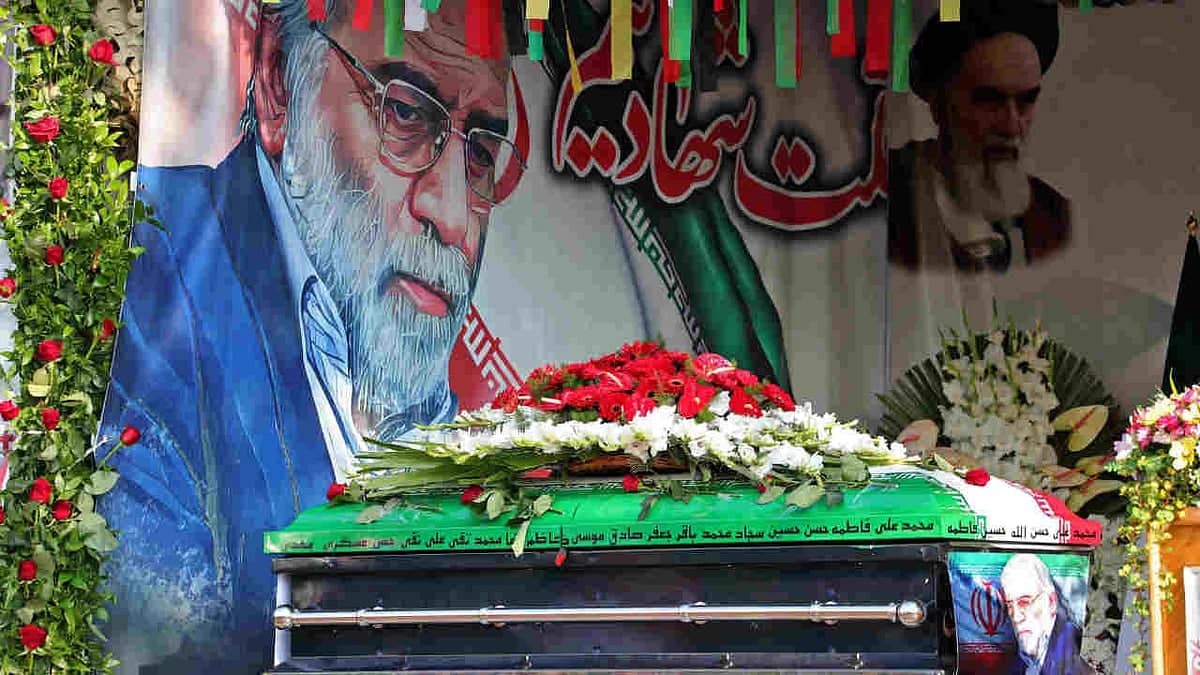
A massive display of national mobilization unfolded last week as Iran orchestrated six-day funeral ceremonies for its late supreme leader, Ayatollah Ali Khamenei. According to a report published by The Free Press Journal on Friday, July 17, 2026, the event was not merely a traditional farewell but served as a deliberate geopolitical messaging exercise. AFP images accompanying the coverage depict scenes of national mobilization designed to convey strength and unity.
Geopolitical experts have interpreted these large-scale ceremonies as a signal of defiance from the Islamic Republic. The report notes that analysts view the proceedings as an indication of a potential new regional order emerging in the Middle East. Rather than presenting an image of being weakened or embattled by recent conflicts, Tehran projected cohesion and strength through the scale and organization of the funerals.
Asserting Continuity Amidst Regional Conflict
Leveraging Wartime Gains for Diplomatic Influence
The Iranian leadership sought to assert continuity during a period defined by heightened conflict. The report states that Tehran aims to convert wartime gains into diplomatic leverage, particularly concerning the strategic Strait of Hormuz. By framing the funeral as a demonstration of resilience and ideological commitment, officials in Iran intend to shape what comes next in regional politics.
Navigating Tensions with Major Powers
These efforts occur against the backdrop of renewed tensions involving both the United States and Israel. The Free Press Journal analysis suggests that geopolitical tensions have effectively negated decades-long diplomatic efforts aimed at achieving peace within the region. Iran's projection of an image of cohesion is intended to counter narratives suggesting vulnerability following recent military engagements.
Strategic Implications for Regional Stability
The funeral proceedings were framed by Iranian officials as a demonstration that the state remains intact and capable despite external pressures. According to the source, this framing was interpreted by many observers as evidence of the Islamic Republic's determination to control future developments in the Middle East.
Geopolitical analysts cited in the report argue that the event signals a shift where regional stability is increasingly determined by assertions of power rather than traditional diplomatic channels. The article highlights that Iran utilized this specific window—the funeral—to reinforce its standing as a central actor capable of shaping outcomes independent of international consensus.
The Role of Ideological Commitment in State Narrative
Reports indicate that the leadership emphasized ideological commitment alongside displays of national unity. This combination was presented to domestic and foreign audiences alike as proof that the regime's foundational principles remain unshaken by recent events. The report notes that such messaging is critical for maintaining internal cohesion while projecting external strength.
The timing of these ceremonies, occurring during a period described as fresh escalation in regional conflicts, underscores the strategic nature of the event. By choosing to hold six days of public mourning and mobilization, Iran signaled its capacity to manage complex logistical operations even under duress. This operational capability is often viewed by military analysts as an indicator of broader state resilience.
International Reactions and Diplomatic Calculations
The article notes that international diplomatic efforts have been described as ineffective in the current climate, with tensions rising between Iran, Israel, and the United States. The funeral served to reset perceptions regarding Tehran's status on the global stage. Analysts suggest that by successfully managing such a high-profile event, Iranian officials aim to regain momentum lost during previous periods of conflict.
Focus on Control Over Strategic Waterways
A significant portion of the strategic messaging focused on control over maritime routes in the Persian Gulf and Indian Ocean regions. The report explicitly links Iran's desire for diplomatic leverage with its position regarding the Strait of Hormuz, a critical chokepoint for global energy transport. By asserting strength during Khamenei's funeral, Tehran reinforces claims to authority over these waters.
Analysis of Future Regional Dynamics
The Free Press Journal analysis concludes that Iran is attempting to establish itself as an indispensable power broker in the region. This positioning relies heavily on the perception of unity displayed during the mourning period for Ayatollah Khamenei. The report suggests that future regional orders will likely be defined by such demonstrations of resolve rather than purely economic or diplomatic negotiations.