

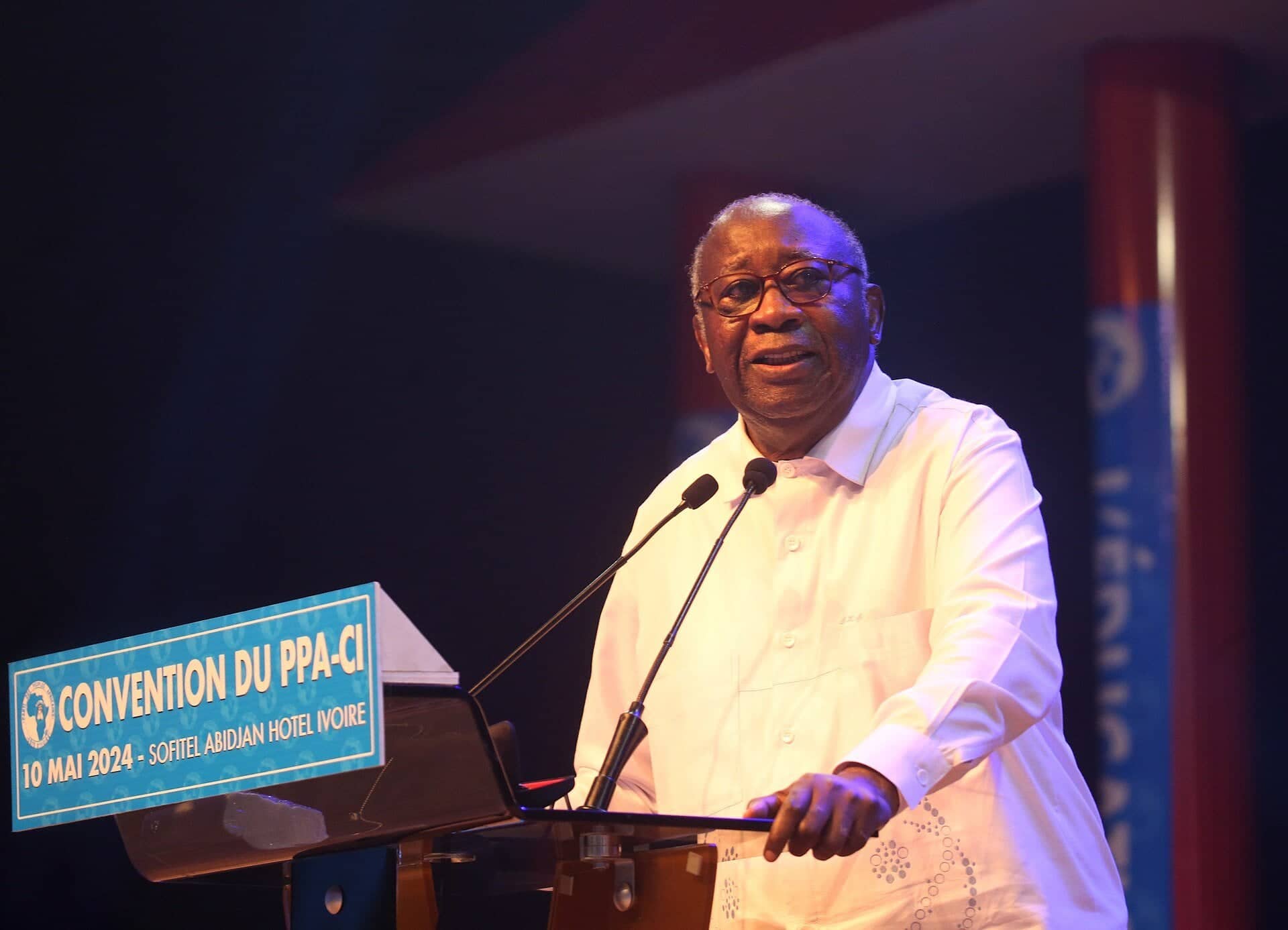

Gbagbo's Unchallenged Re-election at PPA-CI Congress
Laurent Gbagbo was re-elected president of the African People’s Party – Côte d’Ivoire (PPA-CI) by acclamation, a strong demonstration of unified support within the party. This significant event unfolded during the party's first ordinary congress, held in the Ivorian economic hub of Abidjan from May 14 to 15, 2026. The re-election, as reported by The Rio Times, served to solidify Gbagbo's position at the helm of the political organization, reaffirming his leadership following the party's establishment.
The congress itself marked a pivotal moment for the PPA-CI, being its inaugural ordinary gathering since its formation. Such an event typically establishes the party's strategic direction, confirms its leadership, and mobilizes its base. Gbagbo's re-election by acclamation, meaning without opposition or a formal vote, underscored his unchallenged authority and the consensus among party delegates regarding his continued presidency. This unanimous endorsement set the stage for subsequent announcements concerning the party's operational structure.
Authority Shift: Powers Delegated to Legislators
Days after his re-election, President Gbagbo initiated a notable restructuring of authority within the PPA-CI. He publicly announced his intention to delegate significant powers within the party to its legislators. This declaration was made at the 4th Renaissance Festival, an event hosted in Songon, indicating a strategic choice of platform for such a consequential announcement.
The delegation of these powers represents a substantial operational shift for the PPA-CI, moving certain responsibilities from the party president to a broader group of elected officials. While the exact scope of the delegated powers remains internal to the party, this move suggests a redistribution of day-to-day administrative and potentially strategic control. It implies that legislators will assume a more direct role in the party's functioning, potentially impacting policy implementation, regional coordination, or internal organizational management.
The Significance of the Renaissance Festival Announcement
The 4th Renaissance Festival in Songon served as the public forum for Gbagbo's announcement. While the specific date of the festival was not provided in available reports, it occurred shortly after the May 2026 congress. Utilizing such a public event for this declaration suggests an intention to communicate the leadership transition broadly, both within the party ranks and to the wider Ivorian public. The festival's name, 'Renaissance,' itself could imply a period of renewal or strategic reorientation for the PPA-CI under its re-elected leader.
However, a critical aspect of Gbagbo's announcement was the absence of any designated successor. Despite delegating powers, he did not name an individual to assume the party presidency or other key leadership roles upon his eventual departure from active duties. This decision leaves the future top leadership of the PPA-CI officially undetermined, creating a distinct point of focus for political observers and party members alike.
Implications for the PPA-CI's Leadership Trajectory
The African People’s Party – Côte d’Ivoire, while firmly under Gbagbo's presidency as confirmed by the May 2026 congress, now faces a period of internal redefinition. The decision to transfer powers to legislators without simultaneously establishing a clear line of succession for the party's highest office introduces an element of ambiguity at the apex of the PPA-CI's structure. This development was specifically highlighted in coverage by The Rio Times, which underscored the lack of a designated heir as a central feature of this transition.
This strategic choice by Gbagbo prompts numerous questions regarding the long-term stability and future direction of the PPA-CI. While the delegation of powers might aim to empower party legislators and streamline operational efficiency, the absence of a named successor could potentially foster internal competition or factionalism in the future. Observers and party members are now keenly awaiting further clarification on how these delegated powers will be exercised by the legislators and what this means for Gbagbo's direct involvement in the party's daily affairs.
Absence of a Designated Heir Creates Ambiguity
The lack of a clear successor means that while operational duties may be distributed, the ultimate leadership trajectory of the PPA-CI remains undefined. This could influence the party's strategic planning, its electoral prospects in future national contests, and its overall cohesion. Without a designated heir, the party may need to navigate a more complex internal process when the time comes for a change in its top leadership. As of the reports, no opposing party responses or internal dissenting voices regarding this specific leadership adjustment were noted, suggesting either broad acceptance or a period of internal assessment within the PPA-CI and the broader political landscape.
The timeline of these events is crucial: Gbagbo's re-election occurred in Abidjan over two days in mid-May 2026, followed swiftly by his announcement in Songon days later. This rapid sequence of reaffirmation and delegation signals a deliberate strategic move. However, the exact mechanisms for the delegation and the long-term implications for the PPA-CI's leadership structure continue to be subjects of ongoing analysis and internal party deliberation.