

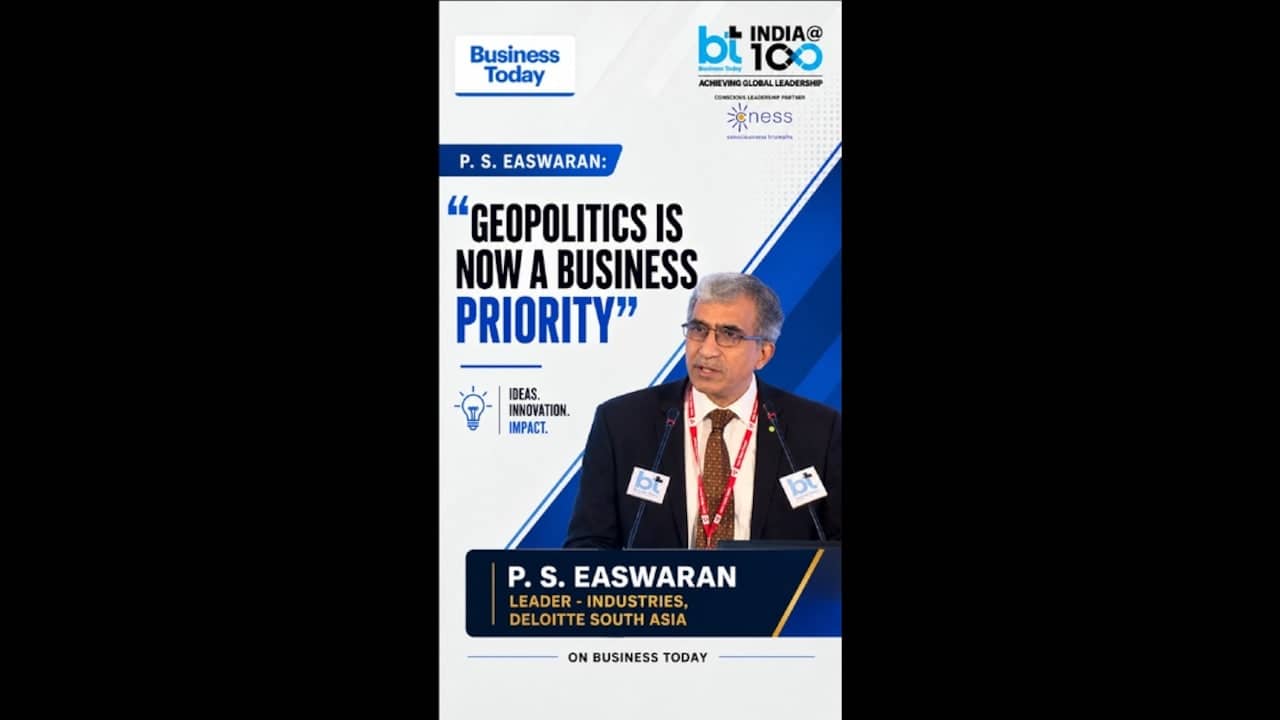

Global Risks Reshape Corporate Security Landscapes
The intersection of geopolitical instability and cyber threats has become a central concern for global business leaders, according to recent assessments from the World Economic Forum (WEF). The organization’s 2025 report, which draws on interviews with thousands of business leaders and risk experts, identifies state-based armed conflict as the risk most likely to present a material crisis on a global scale in 2025. This assessment places physical military confrontation at the forefront of corporate risk management priorities.
Alongside armed conflict, geoeconomic confrontation ranks third in the WEF’s list of top global risks. Both state-based armed conflict and geoeconomic confrontation appear on the forum’s short-term risks list, indicating a high potential for these issues to materialize within the next two years. Cyber-espionage is also categorized as a short-term risk, suggesting that digital intelligence gathering and intrusion are expected to escalate in tandem with traditional geopolitical frictions.
These findings reflect a broader shift in how international commerce is viewed by the corporate sector. As trade tensions, policy shifts, and global disruptions continue to reshape international markets, companies are re-evaluating their strategies for building, sourcing, and growth. Geopolitical strategy is increasingly recognized as a critical component for long-term business growth, resilience, and global competitiveness.
Escalating Threats from State Actors and Hacktivists
The volatile international landscape is being driven by specific geopolitical dynamics, including the potential return of Donald Trump to power and escalating hostility from China and Russia. According to Infosecurity Magazine, these factors are upending 80 years of an international rules-based order. In their place, a more chaotic environment is emerging where conflict is commonplace and state actor aggression online continues to escalate.
This shift has created significant challenges for corporate security leaders, or CISOs. The risk of state-backed cyber-attacks, actions by nationalist hacktivists, and opportunistic cybercriminals is rising due to increasing geopolitical tensions. The potential for collateral damage also increases as these actors operate in a less constrained digital environment.
Corporate security leaders face the urgent need to adapt rapidly to these changing circumstances. Failure to do so risks exposing organizations to a ruthless new era of geopolitical tension. The convergence of traditional state aggression with cyber capabilities means that businesses must prepare for multiple scenarios to stay competitive in this volatile global environment.
Strategic Adjustments in Supply Chain and Sourcing
In response to these heightened risks, businesses are implementing specific strategic adjustments. Key strategies include developing resilient supply chains to withstand disruptions caused by geopolitical events. Companies are also focusing on domestic value addition to reduce reliance on potentially hostile foreign jurisdictions.
Furthermore, organizations are pursuing strategic autonomy and optimizing the use of Free Trade Agreements (FTAs). These measures are designed to help firms navigate trade tensions and policy shifts that characterize the current global economic climate. By preparing for multiple scenarios, businesses aim to maintain their operational continuity and market position despite external instability.
The Business Imperative for Geopolitical Awareness
The recognition of geopolitics as a business priority is not merely theoretical but is driving concrete changes in corporate infrastructure and policy. The WEF assessment highlights that the risks are not isolated to the technology sector; they affect all aspects of international commerce. Geoeconomic confrontation, ranked third in the overall risk list, underscores the financial and trade implications of political disputes.
As state-sponsored cyber-attacks and hacktivist activities increase, the definition of corporate security has expanded beyond traditional data protection to include geopolitical risk mitigation. Security leaders must now account for the actions of nationalist groups and opportunistic criminals who may exploit geopolitical tensions for their own ends.
The rising threat landscape requires a proactive approach to global risk management. With cyber-espionage identified as a short-term risk alongside armed conflict, companies are integrating geopolitical analysis into their long-term planning. This integration ensures that business models remain robust against both physical and digital threats posed by an increasingly fragmented world order.