


Visual Documentation of a Struggling Staff
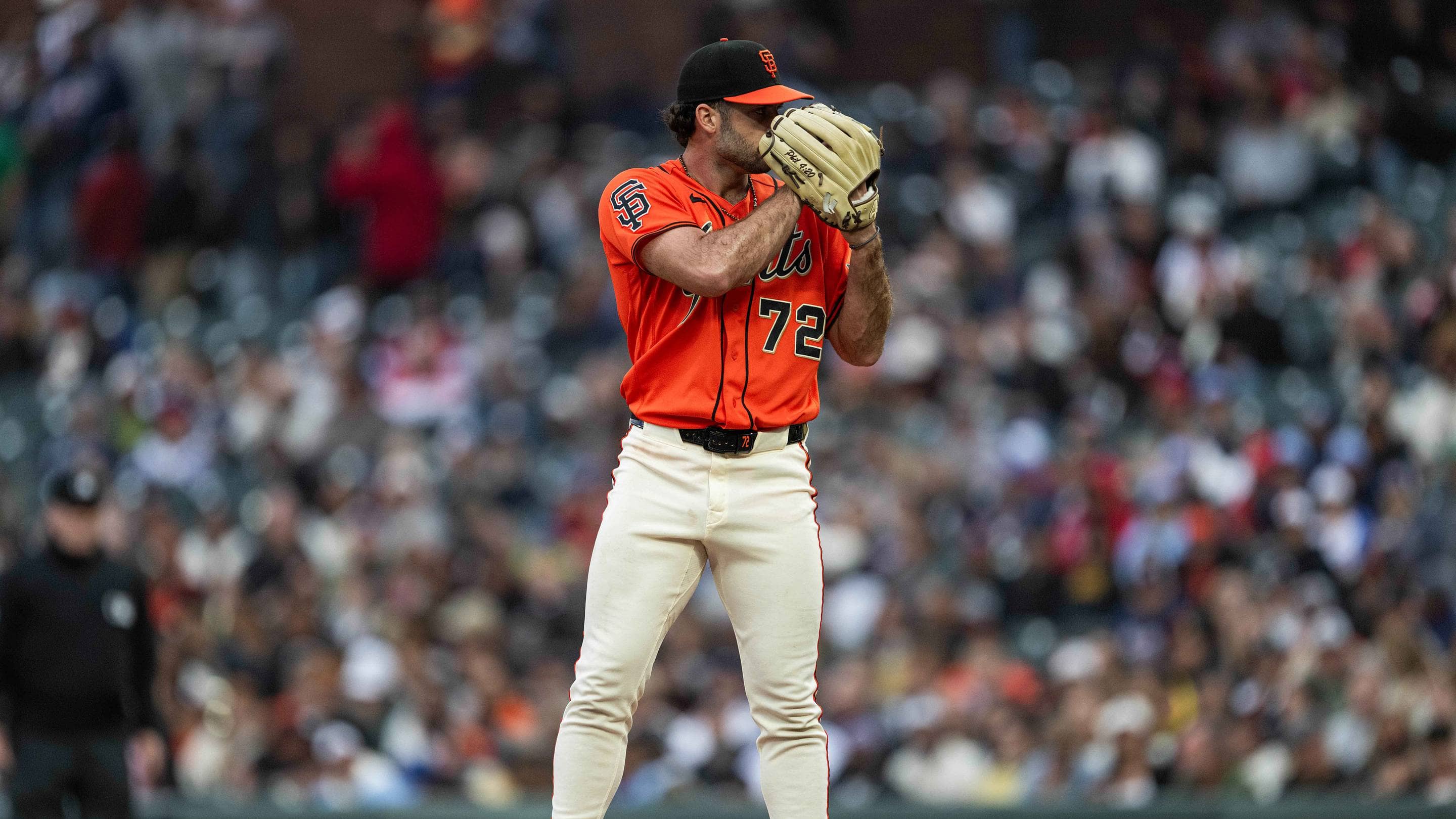
A photograph taken by Justine Willard features San Francisco Giants pitcher Trevor McDonald. The image serves as a visual record of one of the players on a pitching staff that has encountered significant challenges during the 2026 season. The photograph, credited to Willard and distributed via IMAGN IMAGES through Reuters Connect, highlights individual members of the team amidst a broader organizational struggle with player health.
Willard’s work provides a snapshot of the Giants’ roster at a time when the team is seeking answers regarding the physical durability of its pitchers. The presence of McDonald in this documentation underscores the visibility of the issue, as the team attempts to navigate a season marked by inconsistent performance and widespread injury. This visual evidence of a player, captured in a moment of the season, serves as a poignant reminder of the human element behind the statistics of a struggling team. It brings into focus the individual athletes who bear the brunt of an organizational health crisis, making the abstract problem of injury rates tangible through the image of one of its affected members.
Unprecedented Injury Rates Exceed League Averages
The San Francisco Giants' pitching staff has experienced a high frequency of injuries that have necessitated Tommy John surgeries. This procedure, widely recognized in baseball as the standard treatment for ulnar collateral ligament tears, has become increasingly common across Major League Baseball. Tommy John surgery involves replacing the torn ulnar collateral ligament (UCL) in the elbow with a tendon from another part of the patient's body or from a donor. While often successful, it typically requires a recovery period of 12 to 18 months, effectively sidelining a pitcher for at least one full season and often impacting their performance upon return.
However, data indicates that the rate at which Giants pitchers have required this surgery has surpassed the already alarming average observed throughout the league. The prevalence of Tommy John surgeries across MLB has been a growing concern for years, prompting discussions about pitching mechanics, workload management, and the demands placed on modern pitchers. For the Giants, their situation goes beyond this general trend, presenting a statistical outlier that points to a more acute problem within their organization.
Giants' Unique Challenge with Pitching Health
The volume of these medical procedures among the Giants' personnel represents a significant statistical outlier compared to other teams in MLB. While many teams contend with occasional Tommy John cases, the sheer concentration within the Giants' pitching corps suggests a deeper, systemic challenge. This elevated rate not only depletes the team's immediate talent pool but also raises questions about long-term roster construction and player development. The organization is currently addressing a situation where the incidence of arm injuries leading to Tommy John surgery is higher than the national trend, prompting an internal search for solutions to prevent further losses of pitching talent and to understand the contributing factors behind this surge.
Expectations vs. Reality for Veteran Starters
At the beginning of the 2026 campaign, the Giants entered with specific expectations regarding their rotation. The team anticipated strong performances from several veteran starters who were slated to anchor the staff. These experienced players were expected to provide stability, leadership, and consistent output during the crucial early months of the season, setting a positive tone for the team's overall performance and easing the pressure on younger pitchers.
Instead of receiving the anticipated support from these experienced arms, the Giants faced a different reality. The veteran pitchers did not deliver the expected results, contributing to what has been described as a season characterized by insult, inconsistency, and especially injury. Their inability to perform at their projected level not only deprived the team of crucial innings and reliable starts but also compounded the difficulties caused by the physical ailments affecting the rest of the pitching corps. This dual challenge – a high volume of injuries necessitating major surgeries combined with the underperformance of key veteran assets – created a formidable obstacle for the team's aspirations.
Organizational Response to Pitching Woes
In response to the cumulative effect of injuries and underperformance, the Giants are actively searching for solutions to stabilize their pitching staff. The combination of high-profile surgeries and the lack of production from veteran starters has created a complex challenge for the team's management and coaching staff. This search likely involves a multi-faceted approach, including rigorous internal reviews of training methodologies, medical protocols, and player conditioning programs, all aimed at identifying and mitigating the factors contributing to the unprecedented injury rate.
The situation highlights the fragility of pitching staffs in modern baseball, where the reliance on Tommy John surgery has become a notable aspect of player maintenance. The increasing velocity of pitches, the intensity of modern training, and the demands of a long season all contribute to the heightened risk of arm injuries. For the Giants, the issue is not merely the existence of injuries but the alarming rate at which they are occurring relative to their peers. The team must now navigate the remainder of the season while managing the prolonged absence of key pitchers and addressing the underlying factors contributing to this surge in medical procedures, a task that requires both immediate tactical adjustments and long-term strategic planning.
The Broader Context of Pitching Health
The Giants' experience mirrors a growing concern across MLB, where the prevalence of Tommy John surgeries has reached alarming levels league-wide. This league-wide trend has led to ongoing debates among experts about pitching mechanics, pitch counts, and the overall management of young arms in baseball. However, the specific circumstances in San Francisco distinguish their situation through the sheer volume of cases relative to the size of their roster, making their predicament particularly acute and challenging.
As the season progresses, the focus remains on finding practical answers to these pervasive health issues. The photographic record provided by Willard, capturing an individual player amidst the team's struggles, and the statistical reality of the injury rates serve as undeniable indicators of a staff under severe strain. The Giants' ability to address these challenges will depend on identifying effective strategies to protect their pitchers, implement sustainable player development practices, and ultimately restore consistency and health to their performance on the mound, ensuring the long-term viability and competitiveness of their pitching corps.