

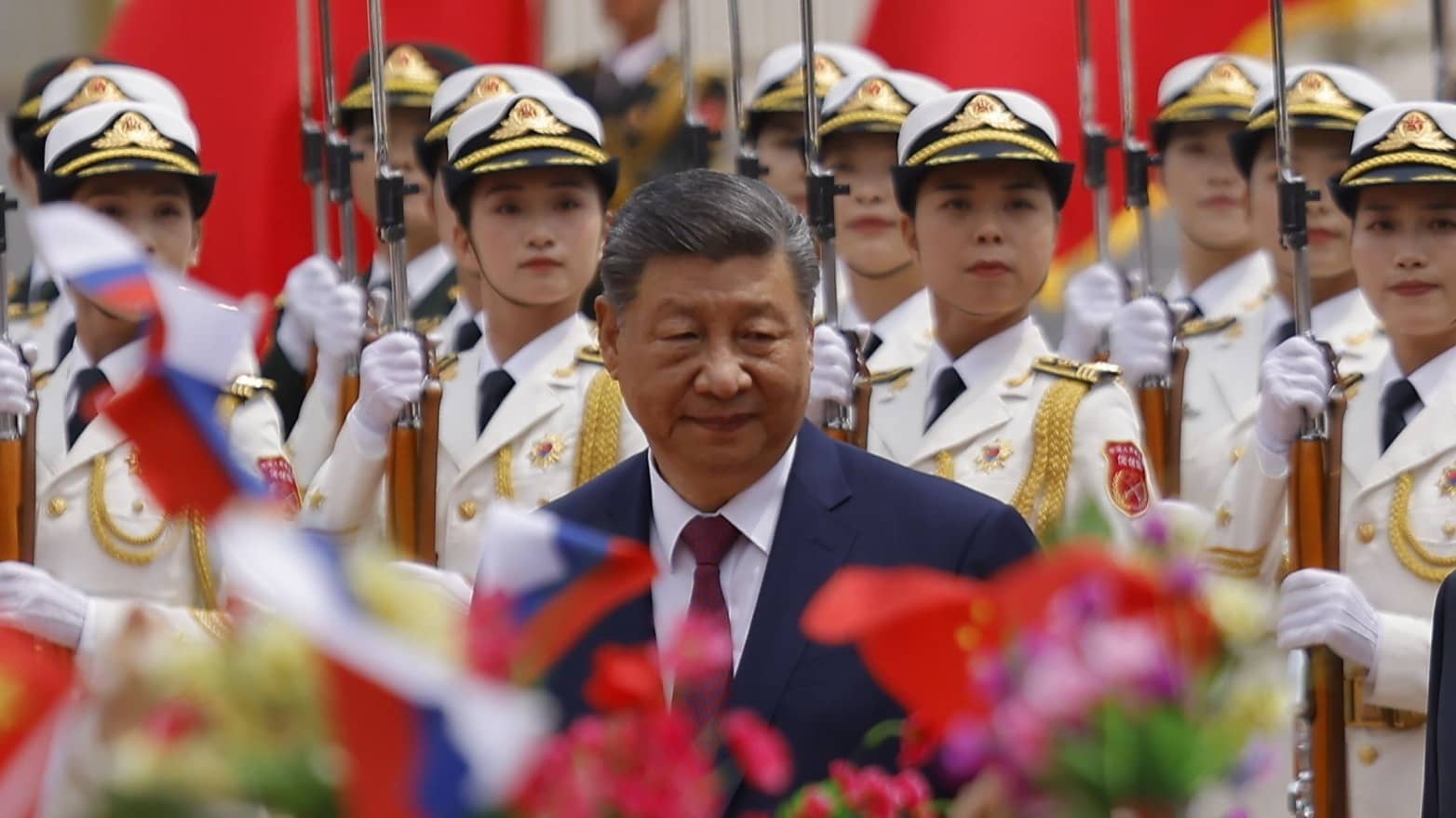

Global Leaders Converge on China for Talks with President Xi Jinping
A significant number of foreign officials have converged on China this year for talks with President Xi Jinping, marking a notable trend in international diplomacy. This influx of high-level visits is understood to bolster Beijing's strategic efforts to portray itself as a pillar of stability on the global stage. The consistent engagement with leaders from various nations underscores China's growing diplomatic importance and its central role in addressing a range of international issues.
The Diplomatic Influx
The observed increase in visits by heads of state, government, and senior ministers to Beijing signals a sustained period of diplomatic activity. This trend reflects the complex and multifaceted nature of contemporary international relations, where engagement with major global powers is deemed essential for addressing shared challenges and pursuing national interests. The frequency and prominence of these visits indicate a deliberate and active diplomatic agenda on the part of China, as well as a recognition by other nations of the necessity of direct dialogue with the Chinese leadership.
Such high-level interactions typically involve extensive discussions on bilateral relations, regional developments, and global governance issues. For many visiting delegations, these meetings offer opportunities to address specific concerns, explore new avenues for cooperation, and reaffirm diplomatic ties. The act of engaging directly with President Xi Jinping and other senior Chinese officials is a key component of navigating the intricate landscape of 21st-century geopolitics and global economics.
Economic Engagement and Cooperation
Economic considerations frequently serve as a primary catalyst for many of these high-level visits. As the world's second-largest economy and a major trading partner for numerous countries, China plays a critical role in global commerce, investment, and supply chains. Discussions often encompass topics such as trade imbalances, market access, investment opportunities, and cooperation on large-scale infrastructure projects.
For nations seeking to expand their economic footprint or secure vital resources, direct engagement with China's leadership is seen as a crucial step. These talks can facilitate agreements that impact various sectors, from manufacturing and technology to agriculture and energy. The economic dimension of these visits is integral to understanding their broader significance, as many countries aim to leverage China's economic dynamism for their own development and prosperity. The pursuit of stable and predictable economic relations with China remains a priority for a diverse array of global actors.
Geopolitical Context and Stability
Beyond economic ties, the convergence of global leaders on China also reflects a broader geopolitical context. In an era marked by shifting power dynamics, regional conflicts, and complex global challenges, many nations seek dialogue with major powers like China to discuss pathways to stability and cooperation. Topics such as climate change, global health security, regional security issues, and multilateral institutional reform are frequently on the agenda.
Beijing's stated objective to portray itself as a pillar of stability resonates with the perceived need for major powers to contribute to international order and address shared global concerns. Through these diplomatic exchanges, China has the opportunity to articulate its perspectives on international affairs, offer its approaches to conflict resolution, and propose solutions to global problems. The engagement allows for direct communication on sensitive geopolitical matters, potentially reducing misunderstandings and fostering a degree of predictability in international relations.
Beijing's Strategic Objectives
The consistent stream of high-level visits supports Beijing's strategic objectives by reinforcing its image as a central and indispensable actor on the world stage. By hosting a diverse array of leaders, China aims to demonstrate its commitment to open dialogue and multilateral engagement, even amidst complex global challenges. This diplomatic outreach is a key component of China's foreign policy, designed to enhance its international standing and influence.
The visibility of these visits, often accompanied by official statements and joint communiqués, helps to project an image of a nation actively engaged in global governance and committed to fostering peaceful and cooperative international relations. This narrative is crucial for China as it navigates its evolving role in the international system and seeks to shape a more multipolar world order. The sustained diplomatic activity serves to validate China's position as a significant global power whose input and cooperation are sought after by nations worldwide.
Implications for Global Diplomacy
The trend of global leaders converging on China has several implications for contemporary global diplomacy. It underscores the increasing importance of direct bilateral engagement in an interconnected world, where complex issues often require nuanced discussions between national leaders. The visits facilitate the exchange of perspectives, allowing for a deeper understanding of differing national interests and priorities.
Furthermore, this diplomatic activity contributes to the ongoing evolution of global governance structures. As more nations engage with China, it reinforces the idea of a diverse international community where multiple centers of power contribute to decision-making. The sustained dialogue can also lay the groundwork for future multilateral initiatives, as bilateral understandings often precede broader international cooperation on shared challenges. The convergence signifies a continued recognition of China's integral role in shaping the trajectory of global affairs.