

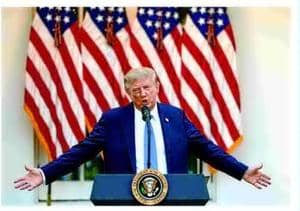

Unpopularity Threatens Congressional Majorities
The Republican Party is confronting significant challenges as it enters the final phase of the midterm election cycle. According to reporting from the Buffalo News, President Trump’s deep unpopularity has emerged as a primary "red flag" for the party. This political headwind is described as imperiling the GOP's ability to maintain its narrow majorities in Congress.
The timing of these concerns coincides with the unofficial start of the campaign sprint, which began on Labor Day. With only two months remaining before the November midterms, the political landscape for Republicans is marked by heightened uncertainty. The proximity of the election has intensified scrutiny on the party's strategy and its reliance on the incumbent president.
Analysts and observers note that the narrow nature of Republican control in Congress makes the party particularly vulnerable to national political trends. The unpopularity associated with President Trump is cited as a critical factor that could sway voter behavior in key districts and states. This dynamic presents a complex hurdle for Republican candidates who are attempting to secure their seats against Democratic challengers.
Convention Speculation: Circus or Snoozer?
Beyond the electoral challenges, there is ongoing speculation regarding the nature of the GOP's upcoming midterm convention. Questions have been raised about whether the event will be chaotic or uneventful. The Buffalo News posed the specific question of whether the convention would be "a circus" or "a snoozer." This dichotomy highlights the unpredictability surrounding the party's internal proceedings.
The characterization of the convention as either a "circus" suggests potential for disorder, intense debate, or unexpected developments that could dominate the news cycle. Conversely, describing it as a "snoozer" implies a lack of significant drama or substantive policy announcements. The uncertainty surrounding the event reflects broader questions about the party's cohesion and direction in the final stretch before the election.
Republican officials have not provided definitive details on the expected tone of the convention. The speculation remains focused on the potential for the event to either energize the base or fail to generate significant momentum. This ambiguity adds another layer of complexity to the party's midterm strategy, as the convention is traditionally a key platform for unified messaging and candidate support.
Timeline and Campaign Dynamics
The campaign sprint officially kicked off on Labor Day, marking the beginning of the intense final period before voters head to the polls. The two-month window leading up to November is critical for mobilizing supporters and addressing last-minute voter concerns. For the GOP, this timeline is particularly challenging given the identified risks associated with President Trump's approval ratings.
The narrow majorities in Congress require a high level of turnout among Republican voters to maintain control. Any shift in public sentiment, driven by factors such as presidential unpopularity, could have immediate consequences for the party's legislative power. The GOP must navigate these challenges while managing the expectations of its base and the broader electorate.
As the midterms approach, the focus remains on how the party will respond to these red flags. The outcome of the convention and the effectiveness of the campaign strategy in the final two months will likely determine whether Republicans can overcome the headwinds they currently face. The coming weeks will be closely watched by political observers across the country.