


Analysis of Opposition Fragmentation and Potential Unity
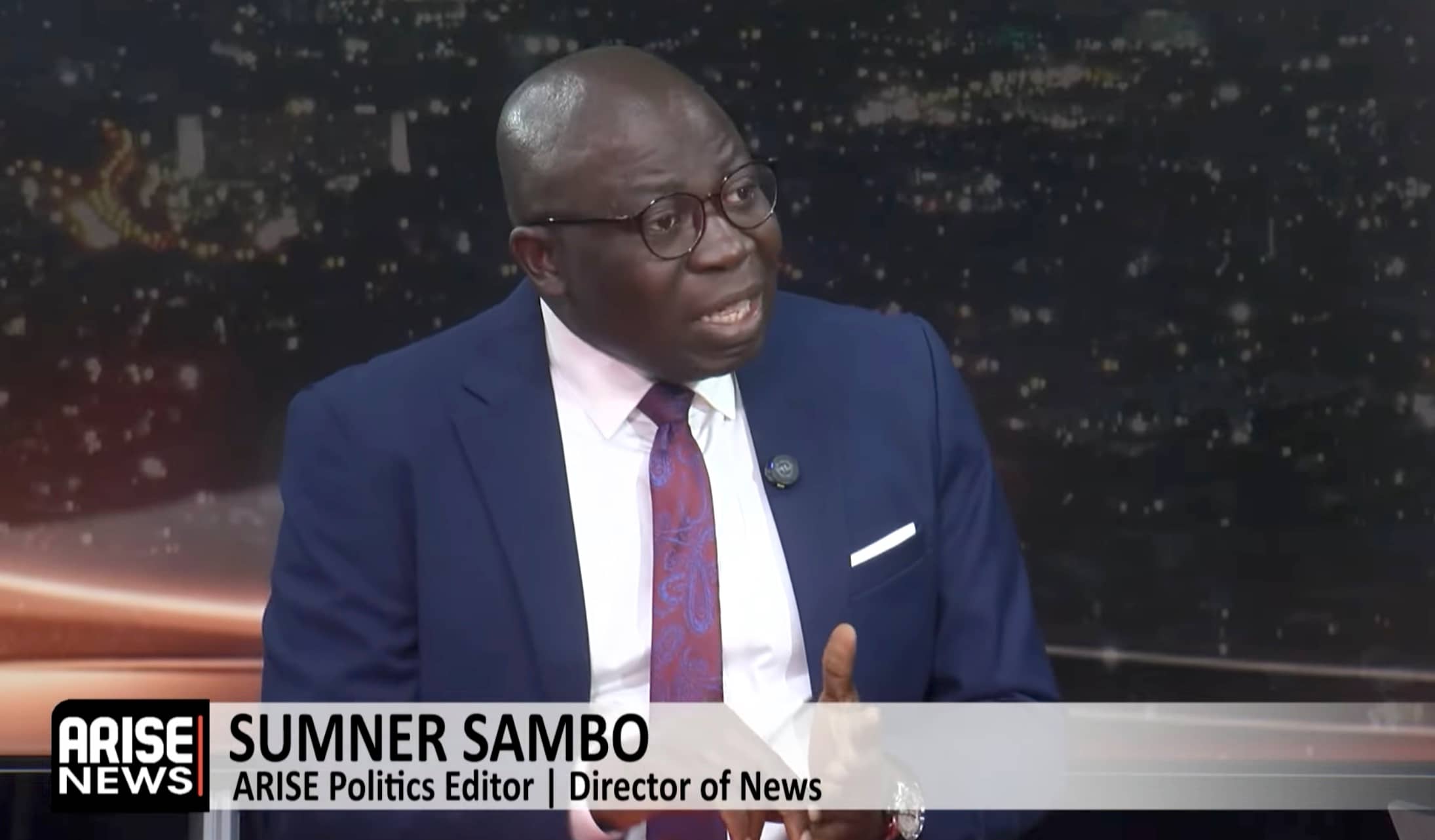
Sumner Sambo, serving as the Politics Editor and Director of News at Arise News, stated that a united opposition could form a formidable front against the All Progressives Congress (APC) in the 2027 presidential election. According to reports published by Arise News on September 8, 2026, Sambo warned that even fragmented opposition parties could significantly affect the ruling party’s vote share.
Sambo made these comments while reacting to the appearance of Peter Obi, the presidential candidate for the Nigeria Democratic Congress (NDC), at an event for a rival political entity. The event was the official campaign launch for the Allied Peoples Movement (APM) and its candidate, Seyi Makinde. During this appearance, Obi pledged solidarity with the opposition movement ahead of the 2027 general elections, despite being a candidate in the same race.
Sambo noted that the development of Obi pledging solidarity at the APM launch has heightened speculation regarding possible opposition coalition talks. "Just imagine all these people coming together. This will be a formidable front against the All Progressives Congress," Sambo said, according to Arise News.
In his analysis, Sambo lamented the fragmentation of the Peoples Democratic Party (PDP). He noted that the party, which governed Nigeria for 16 years, has split into different political camps. This division has weakened the PDP's ability to mount a formidable challenge to the APC in the upcoming election cycle.
Obi’s Campaign Events and Calls for Scrutiny
On September 6, 2026, Peter Obi held a town hall meeting in Port Harcourt, Rivers State. The event was tagged "Obi Talks Nigeria," where the former Anambra State governor fielded questions from voters regarding the 2027 general election.
During this gathering, Obi challenged Nigerians to scrutinize his background and that of his running mate, Senator Rabiu Musa Kwankwaso. Obi stated that both he and Kwankwaso have made their personal and educational backgrounds available for public verification worldwide. This includes specific details such as dates of birth and schools attended.
"I want to give every Nigerian the opportunity to know who I am," Obi said. He urged citizens to verify these records and publicly identify any wrongdoing if it exists. "Both of us have presented our backgrounds, from our dates of birth to our schools, education and all, to the people. You can go and verify our backgrounds worldwide, anywhere," Obi stated.
Obi’s comments came amid renewed scrutiny of the backgrounds of political figures ahead of the 2027 elections. By inviting public verification, Obi positioned his campaign around transparency regarding personal history.
Kwankwaso’s Warning to the Ruling Party
Alongside Obi’s calls for scrutiny, Senator Rabiu Musa Kwankwaso issued a stern warning to the APC. Kwankwaso stated that having over 30 governors does not guarantee victory in the 2027 election. This statement was reported concurrently with Obi’s town hall meeting, highlighting the competitive dynamics between the opposition and the ruling party.
The reports from Arise News, published on September 6 and September 8, 2026, focus on these preparations and political dynamics leading up to the 2027 Nigerian general elections. The coverage highlights both the strategic positioning of opposition candidates and the analytical perspectives on party fragmentation.
Sambo’s analysis suggests that the current state of opposition unity or division will influence voters nationwide. While Obi engaged in coalition-building gestures at the APM launch, he simultaneously pursued direct engagement with voters through his town hall meetings. The juxtaposition of these events underscores the complex landscape of Nigerian politics as the 2027 election approaches.
The APC remains the ruling party with extensive gubernatorial representation, a fact that Kwankwaso directly addressed in his warning. Meanwhile, the PDP’s historical dominance, spanning 16 years of governance, is cited by Sambo as a point of contrast to its current weakened state due to internal splits.
As the election cycle progresses, the potential for opposition unity remains a subject of speculation and analysis. The actions of key figures like Obi and the analytical commentary from media figures like Sambo provide insight into the strategies and challenges facing non-ruling parties in Nigeria.