


Republican Advertising Strategy Dominates Final Election Phase
Republicans have spent an estimated $183 million on television ads focused on transgender-related attacks against Democrats in the final phase of the 2026 midterm elections, according to data firm AdImpact. The spending represents a strategic bet by GOP candidates and operatives that leveraging cultural issues can help overcome voter concerns regarding President Donald Trump’s leadership and the broader economy.
Through Oct. 25, this advertising campaign produced approximately 217,000 TV spots nationwide. This volume exceeds the amount Republicans spent on similar ads in 2024 at the same point before Election Day, marking a significant increase in the intensity of cultural messaging as the November election approaches.
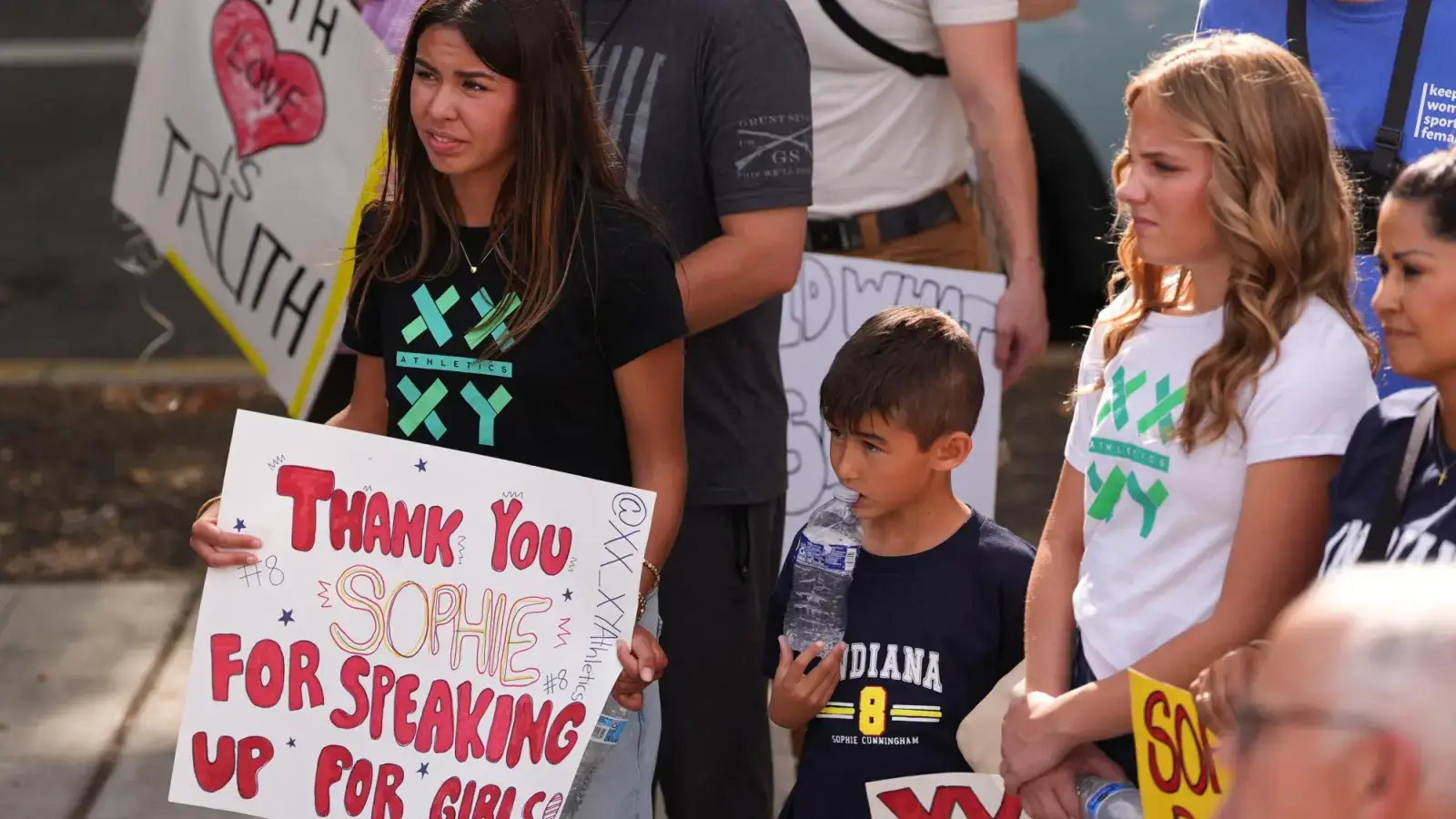
The messaging aligns closely with the public statements of President Trump, who has consistently highlighted what he describes as an urgent threat to America’s children from Democratic policies while downplaying surging gasoline prices and rising costs. During a rally in Corinth, Mississippi, on Monday night, Trump stated that Democrats "promote the transgender mutilization of your children." Similarly, during a Sunday rally in Florida, Trump used the phrase "men in women’s sports" four times and referenced gender "mutilization" another four times.
Geographic Concentration of Spending
The financial investment is not distributed evenly across all states. Texas’ high-stakes Senate contest alone consumed an estimated $58 million for more than 50,000 airings of Republican-backed transgender-related spending. Beyond Texas, the GOP is also investing heavily in related attacks against Democrats in Ohio, Kansas, South Carolina, Iowa, and Mississippi.
The Disconnect Between Messaging and Voter Priorities
Despite the heavy financial commitment to cultural issues, polling data suggests a significant gap between Republican advertising strategies and voter priorities. According to an AP-NORC survey, only about 1 in 10 registered voters say transgender issues are "one of the most important issues" in the election. This figure falls well below the roughly 8 in 10 who mentioned the economy or cost of living, as well as healthcare and the war with Iran.
Chris Wilson, a Republican pollster, noted that GOP strategists believe these cultural issues expose a disconnect between Democratic candidates and a significant portion of the electorate. Wilson explained that voters often use a candidate’s position on transgender policy as a proxy for broader values and judgment, even if those specific policies are not their top economic concern.
Voter Reactions to Cultural Attacks
For some voters, the cultural framing resonates deeply regardless of economic anxieties. Jerry Casner, a 74-year-old registered Republican, expressed strong opposition to Democratic positions on gender when asked about national issues. "If you can’t even determine the difference between a man and a woman, but yet you’re going to make life and death decisions for me, oh, I don’t think so," Casner said. "That’s disgusting."
This sentiment highlights the complex dynamic facing Democratic candidates in the final stretch of the 2026 midterms. While they face headwinds from a struggling economy and high gas prices, they are simultaneously navigating a Republican offensive that seeks to define their character and judgment through cultural battles rather than policy debates on cost of living.