

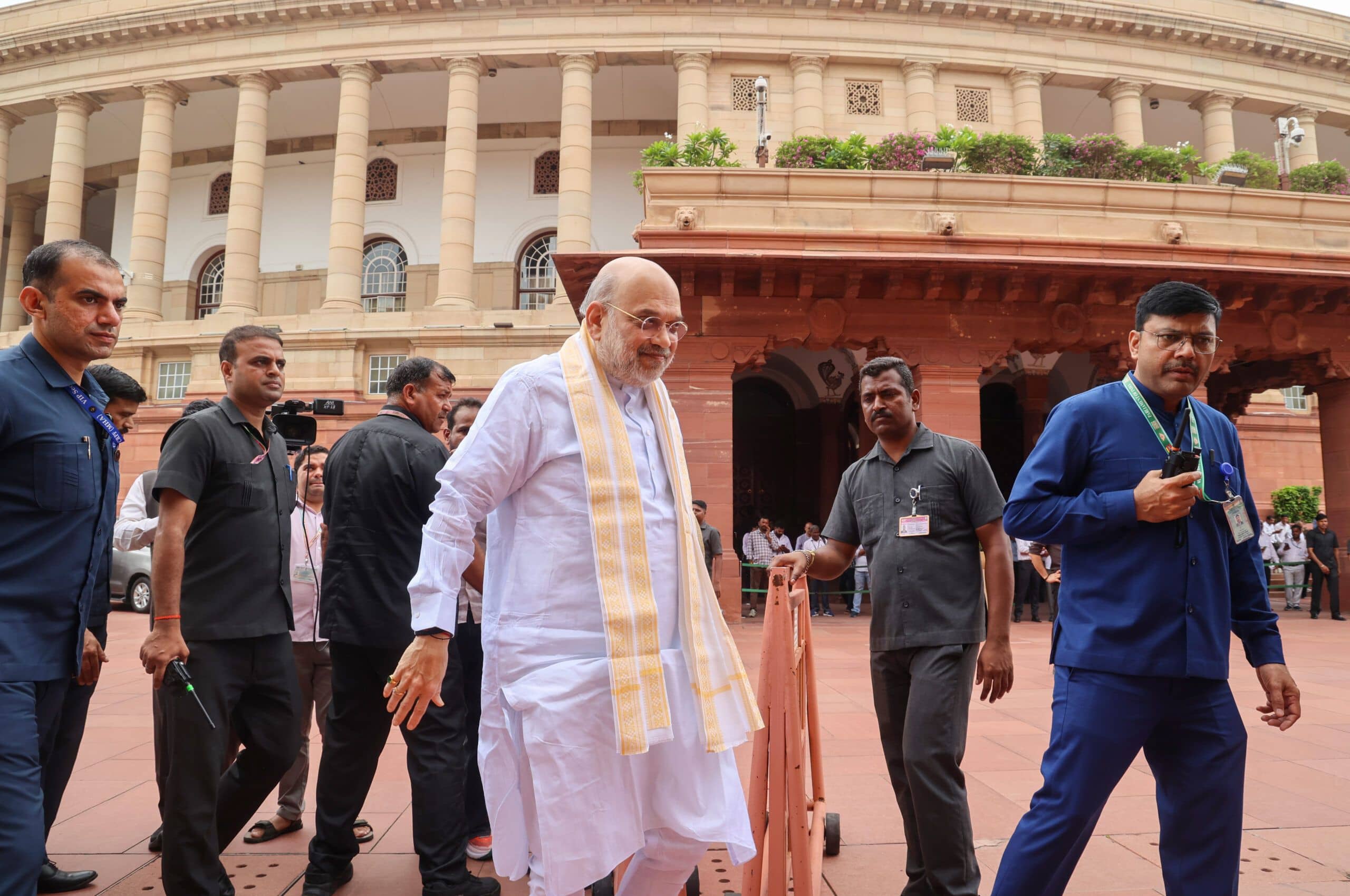

Shah’s Letter to the Speaker Emphasizes Democratic Dialogue
New Delhi, Aug 12 — Union Home Minister Amit Shah on Wednesday sent a formal letter to Lok Sabha Speaker Om Birla, urging the speaker to consult with opposition parties concerning an upcoming discussion on the protests by students regarding the National Eligibility cum Entrance Test (NEET). In his correspondence, Shah stated that in a democratic nation, "solutions emerge only through discussion and dialogue." This statement underscores the government's position that parliamentary discourse is the primary mechanism for addressing student grievances.
The Home Minister also reaffirmed his commitment to remain present in the Lok Sabha when the debate is scheduled. According to the letter, Shah indicated that he is willing to answer every question raised by the opposition during the proceedings. This assurance was included to demonstrate the government's readiness to engage directly with legislative inquiries regarding the examination system and the resulting protests.
Reference to Parliamentary Agreements and Legislative History
In his letter, Shah referenced a specific agreement made during a Business Advisory Committee meeting. He noted that the Hon'ble Minister of Parliamentary Affairs, Shri Kiren Rijiju, had agreed on behalf of the Government to hold a parliamentary discussion on the issue. This reference serves to establish that the government has already committed to addressing the matter through established legislative channels.
Timeline of Legislative Discussions
The letter further clarified the timeline of events leading up to this request. Shah mentioned that even before the opposition's formal request for a debate, the Public Examinations (Prevention of Unfair Means) Amendment Bill, 2026, had already been discussed in Parliament. The Home Minister pointed out that this legislative action was taken prior to the opposition's intervention, suggesting that the government had already initiated steps to address the concerns surrounding unfair means in public examinations.
The correspondence highlights the intersection of ongoing student protests and parliamentary procedure. By citing the agreement reached by Minister Rijiju, Shah aims to contextualize the upcoming debate within the framework of prior governmental commitments. The letter does not detail specific outcomes of the previous discussions but notes their existence as part of the broader legislative response to the issues raised by students.
Implications for the Scheduled Debate
The request for consultation with opposition parties is a procedural step in organizing the debate. By urging Speaker Birla to engage with all political factions, Shah is ensuring that the discussion reflects the views of multiple stakeholders within the legislature. The Home Minister’s willingness to answer questions directly suggests an expectation of active participation from both government and opposition members during the session.
The focus remains on the NEET examination protests, which have been a significant point of contention among students across the country. The government’s approach, as outlined in Shah’s letter, relies on parliamentary mechanisms to facilitate dialogue. The mention of the Public Examinations (Prevention of Unfair Means) Amendment Bill, 2026, indicates that legislative measures are already underway to address systemic issues related to examination integrity.
As the debate approaches, the consultation process will determine the scope and structure of the discussion. The government’s stance, as communicated by Shah, is one of openness to dialogue while maintaining that legislative actions have already been taken to address the core issues. The presence of the Home Minister during the debate is expected to signal the government’s engagement with the matter at the highest levels.
The letter concludes with the assertion that democratic solutions are derived through discussion. This principle guides the government’s response to the protests and the subsequent parliamentary proceedings. The upcoming debate will serve as a platform for these discussions, with the Home Minister prepared to address queries from opposition members regarding the government’s actions and policies on public examinations.