


Legal Challenge Targets Public Charge Policy
The state of Illinois and the city of Chicago are among the entities suing the Trump administration over a new rule that restricts access to green cards for immigrants who rely on public benefits. The lawsuit, filed by a coalition of Democratic-led states and Washington, D.C., seeks to block the implementation of these restrictions, which officials argue create significant barriers for lawful permanent residency seekers. This legal action represents a significant challenge to federal immigration policy, asserting that the new regulations impose undue burdens on immigrant communities and could have far-reaching consequences for states and cities.
According to reports from WGN-TV, the legal action is part of a broader effort by multiple jurisdictions to challenge federal immigration policies. Illinois and Chicago are explicitly named as participants in this coalition, aligning their legal resources with other state governments that have opposed the administration's approach to immigration enforcement. Their involvement underscores a commitment to protecting immigrant residents and ensuring access to pathways for legal permanent residency without discriminatory economic barriers.
Redefining 'Public Charge' in Immigration Law
The core of the dispute centers on the definition of "public charge," a term used in immigration law to determine whether an applicant is likely to become primarily dependent on the government for subsistence. Historically, this determination focused on cash assistance for income maintenance or long-term institutionalization at government expense. Under the rule being challenged, however, the definition is significantly broadened. Immigrants who are deemed likely to rely on a wider range of public benefits would face heightened scrutiny or denial when applying for green cards or attempting to enter the United States. This expansion of what constitutes a 'public charge' is a central point of contention for the plaintiff coalition.
The lawsuit contends that this expanded definition deviates from established legal precedent and places an unfair burden on individuals seeking legal status. By joining the legal challenge, Illinois and Chicago are asserting that the federal government's reinterpretation of this long-standing immigration concept is not only legally questionable but also detrimental to the well-being and integration of immigrant populations within their jurisdictions.
Scope of the Green Card Restrictions
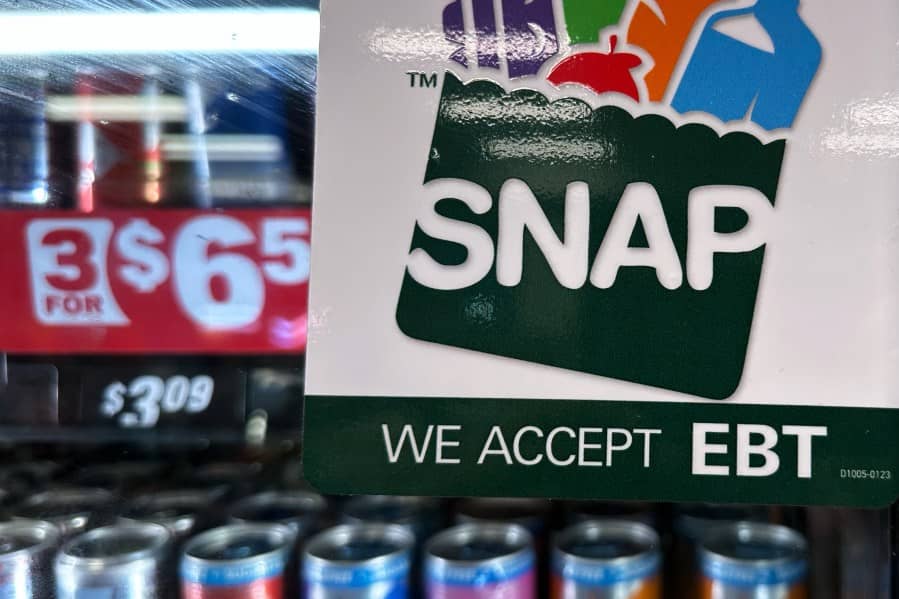
The rule in question makes it more difficult for immigrants to obtain green cards or even enter the country if they are found to be likely recipients of public assistance. This policy shift effectively ties immigration status eligibility to economic self-sufficiency metrics, a standard that has been a subject of intense debate within legal and political circles. The new criteria consider an applicant's age, health, family status, assets, resources, financial status, education, and skills. Crucially, the past or current receipt of a broader range of public benefits, including non-cash benefits like Medicaid, food stamps (SNAP), and housing assistance, could be weighed negatively against an applicant.
By joining the lawsuit, Illinois and Chicago are contesting the legality and implementation of these restrictions. The coalition argues that the rule imposes undue hardship on immigrant populations, potentially forcing families to choose between essential services and their immigration aspirations. Furthermore, they contend that the policy potentially violates existing immigration statutes and administrative law principles by fundamentally altering a long-understood aspect of immigration eligibility. The state and city are leveraging their status as jurisdictions with significant immigrant communities to challenge the federal policy in court, highlighting the direct impact on their residents and local economies.
Coalition Composition and Strategy
The lawsuit is not an isolated action by Illinois but part of a coordinated legal strategy involving a coalition of Democratic-led states and Washington, D.C. This grouping represents a unified front against the Trump administration's immigration policies, combining political influence with legal resources to oppose the rule. The diverse composition of the coalition, including states with large urban centers and significant immigrant populations, lends weight to the argument that the rule's impact is widespread and detrimental across various regions.
Washington, D.C., alongside Illinois, is listed as a plaintiff in the suit. The inclusion of multiple jurisdictions suggests an attempt to demonstrate widespread impact and opposition to the policy, not just from a single state but from a collective of governmental entities. By framing the issue as a multi-jurisdictional concern, the plaintiffs aim to highlight the broad implications of the public charge rule on local communities, state resources, and the overall public welfare within their borders. This collaborative legal approach seeks to maximize the chances of a successful challenge against the federal policy.
Implications for Immigrant Access
The practical effect of the rule is to create a higher threshold for immigrants seeking to adjust their status or enter the country. Those who utilize public benefits, such as food assistance, housing support, or non-emergency Medicaid, may be classified as likely to become a "public charge," thereby disqualifying them from green card eligibility. This creates a challenging dilemma for immigrant families, who may be forced to forgo critical assistance for health, nutrition, or shelter out of fear that doing so will jeopardize their immigration applications.
Chilling Effect on Essential Services
Illinois and Chicago's participation in the lawsuit underscores their commitment to protecting immigrant residents from these federal restrictions. The state and city are asserting that the rule undermines the ability of immigrants to access necessary support systems, potentially affecting public health and economic stability within their borders. Public health officials, for instance, have expressed concerns that immigrants may avoid seeking medical care, including vaccinations or prenatal care, leading to broader public health risks. Similarly, fear of jeopardizing immigration status could deter families from accessing nutritional programs for children, impacting their development and well-being.
This "chilling effect" is a key concern for the coalition, as it could lead to increased poverty, poorer health outcomes, and reduced educational attainment among immigrant communities. The lawsuit aims to prevent these adverse consequences, arguing that the rule's implementation would harm not only immigrant families but also the broader social and economic fabric of the plaintiff jurisdictions.
Current Legal Status
As of the reporting by WGN-TV, the lawsuit is active, with Illinois and Chicago among the parties seeking judicial intervention to halt the rule. The coalition is requesting that the court block the enforcement of the public charge restrictions until legal challenges are resolved or the policy is revised. This typically involves seeking a preliminary injunction, which would temporarily prevent the rule from taking effect while the case proceeds through the courts.
No opposing responses from the Trump administration were included in the initial reports regarding this specific filing. The focus remains on the plaintiffs' arguments against the rule's impact on immigrant access to green cards and entry into the country based on public benefit reliance, emphasizing the alleged legal infirmities and the severe practical consequences for vulnerable populations.