

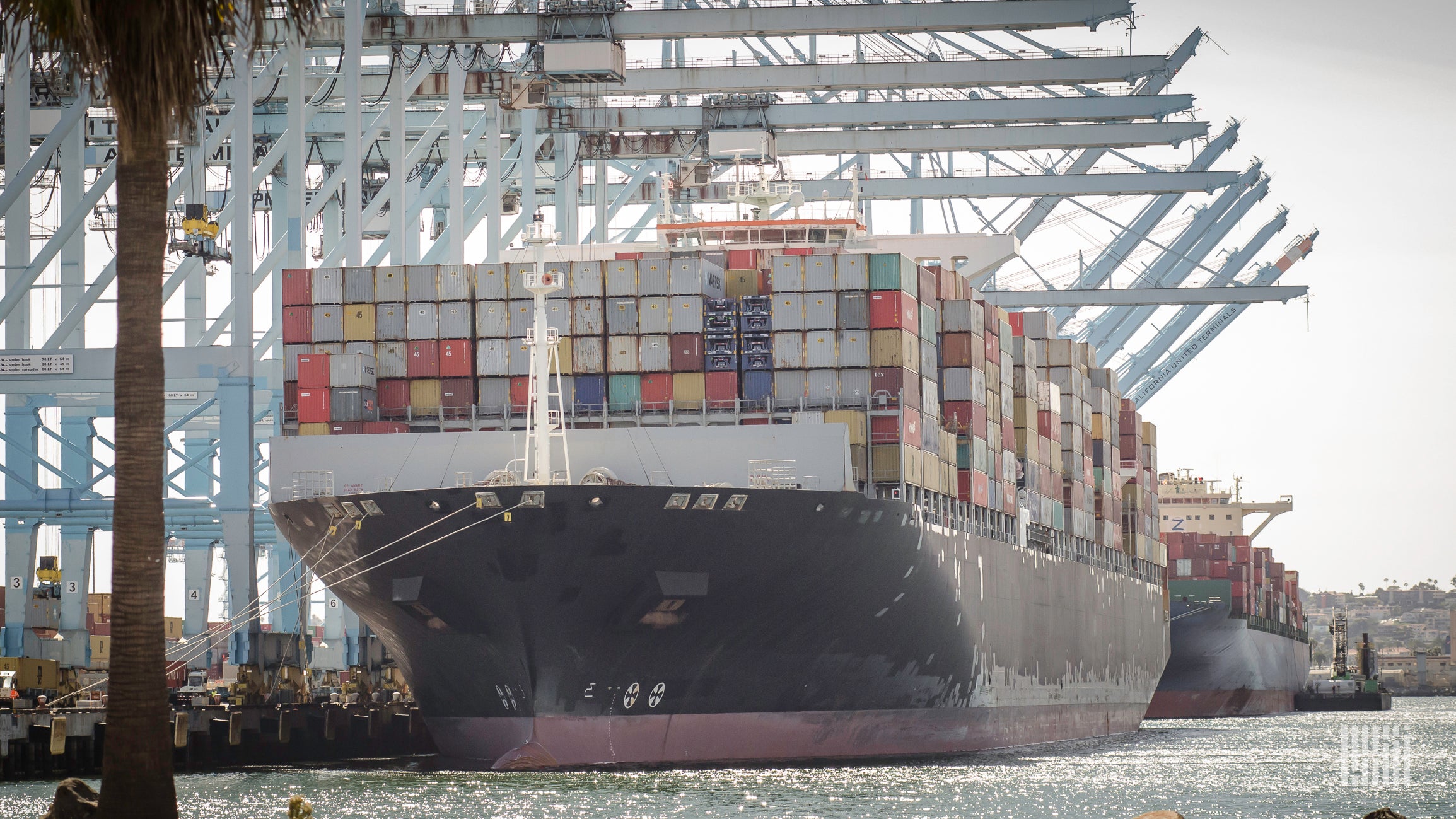

Record Cargo Growth Defies Economic Headwinds
The Port of Long Beach experienced a significant increase in import volume during May, with cargo levels surging by 40% compared to previous periods. This growth resulted in record-high cargo levels for the facility, marking a notable shift in trade activity at one of the nation's primary entry points for goods.
The surge in imports occurred while broader economic and geopolitical conditions remained unstable. Despite these external pressures, which included retailer responses to tariff policies and instability driven by ongoing conflicts, the volume of incoming cargo at the port reached unprecedented levels for the month.
According to data reported by FreightWaves, the facility continued to handle a massive volume of goods even as market participants navigated complex international trade dynamics. The increase highlights the resilience of supply chain flows at this specific gateway, contrasting with the uncertainty characterizing the wider economic environment.
Port of Long Beach Maintains Top-Tier Status
The Port of Long Beach is identified as the second-busiest container gateway in the United States. This ranking underscores its critical role in the national infrastructure for receiving imported goods. The facility's ability to process such high volumes of cargo places it among the most vital nodes in the U.S. maritime supply chain.
The surge in May contributed to the port's standing as a major hub for international trade. While specific breakdowns of the 40% increase were not detailed in the initial reports, the overall volume growth solidified its position relative to other domestic ports.
Retailer Responses to Trade Policies
The report indicates that retailers are actively reacting to tariffs as a key factor influencing their procurement strategies. These reactions appear to be driving the increased demand for container space and cargo handling at major gateways like Long Beach.
Stuart Chirls, writing for FreightWaves on June 25, 2026, noted that these retailer behaviors are occurring alongside effects of war-driven uncertainty. The combination of tariff adjustments and geopolitical instability has created a complex landscape for supply chain managers, yet the physical flow of goods into the port has accelerated rather than slowed.
Geopolitical Instability and Supply Chain Flows
War-driven instability remains a persistent factor in the global trade environment. Despite these geopolitical challenges, which typically introduce risks and delays to international shipping routes, the Port of Long Beach saw its import numbers climb sharply.
The disconnect between the reported uncertainty and the actual cargo volume suggests that retailers may be accelerating shipments to mitigate potential future disruptions or costs associated with trade policies. The data from May reflects a period where physical trade activity expanded even as the political and economic backdrop remained volatile.
Market Implications of the Surge
The 40% increase in imports at the Port of Long Beach represents a significant operational event for the port authority and the logistics industry. As the second-busiest container gateway, the volume handled here has direct implications for trucking, warehousing, and inland distribution networks across the western United States.
The report from FreightWaves highlights that this growth happened concurrently with broader market anxieties. The juxtaposition of record cargo volumes against a backdrop of tariff concerns and war-driven uncertainty illustrates the complex forces currently shaping global trade flows.