

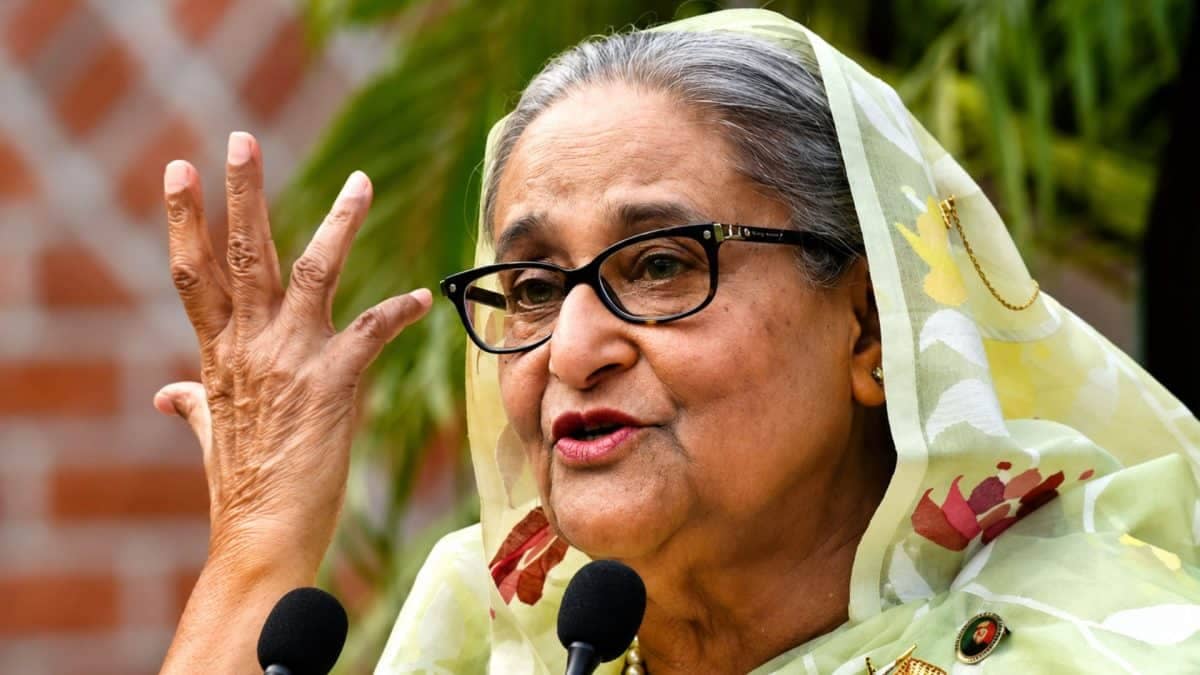

Pragmatic Statecraft Over Sentiment in Dhaka
India is currently confronting a complex diplomatic challenge in its relationship with Bangladesh, described as the "Sheikh Hasina dilemma." This situation requires New Delhi to make critical choices that prioritize statecraft and pragmatic considerations over emotional or sentimental attachments. The core of this strategic imperative is the need for India to engage with the Bangladesh that currently exists, rather than adhering to a preferred or idealized version of the nation that it might have wished to see.
According to reporting by Firstpost, this dilemma underscores a necessary shift in foreign policy approach. The publication argues that Indian policymakers must navigate the realities of Dhaka's current political landscape without letting historical ties or personal sentiments dictate strategic decisions. This perspective suggests that effective diplomacy requires accepting the existing political structure and leadership dynamics in Bangladesh, regardless of whether they align with India's ideal preferences.
The emphasis on statecraft indicates a move toward cold, calculated diplomatic engagement. By focusing on practical outcomes and current geopolitical realities, India aims to stabilize its northern border and secure strategic interests. This approach implies that maintaining functional relations with the incumbent government is more important than expressing dissatisfaction with its composition or policies. The narrative presented in the source material frames this as a necessary evolution in how India manages its neighborhood policy, particularly in countries where political transitions can disrupt established ties.
Reshaping the Kashmir Geopolitical Landscape
In parallel with its diplomatic recalibration in Bangladesh, India is executing a strategy concerning Kashmir that has fundamentally altered Pakistan's long-held geopolitical stance on the issue. This strategic development is characterized as having permanently dismantled Pakistan's historical "geopolitical illusion" regarding Kashmir. The shift marks a significant departure from previous decades of diplomatic posturing and military brinkmanship along the Line of Control.
NDTV, in its coverage titled "Pak's Kashmir Meltdown: How India Permanently Destroyed Pak's 70-year Geopolitical Illusion," highlights the transformative nature of India's current approach. The network reports that India has successfully challenged and eroded a geopolitical narrative that Pakistan had maintained for seven decades. This assertion suggests that New Delhi has effectively closed off diplomatic avenues or strategic advantages that Islamabad previously relied upon to keep the Kashmir issue alive on the international agenda.
The description of this outcome as the destruction of a "70-year geopolitical illusion" points to a profound change in the balance of power and perception in South Asia. For seventy years, Pakistan has utilized the Kashmir dispute as a central pillar of its foreign policy and national identity, seeking to portray itself as the defender of Kashmiri Muslims while attempting to internationalize the conflict. India's new strategy appears to have neutralized this tool, forcing Islamabad to confront a reality where the traditional diplomatic leverage derived from the Kashmir issue has been significantly diminished.
This strategic shift does not merely represent a tactical adjustment but a fundamental restructuring of the geopolitical rules of engagement in the region. By dismantling what is described as Pakistan's long-standing illusion, India has effectively redefined the parameters of the dispute. The implication is that Pakistan can no longer rely on historical precedents or established diplomatic norms to advance its claims, as those foundations have been systematically undermined by India's consistent and forceful application of state power and diplomatic isolation tactics.
Strategic Implications for South Asian Stability
The dual developments in Bangladesh and Kashmir reflect a broader Indian foreign policy doctrine that emphasizes hard power and pragmatic diplomacy. In Bangladesh, the willingness to engage with political realities as they are, rather than as India might desire them to be, demonstrates a mature approach to regional stability. This pragmatism allows for continued engagement on security, trade, and counter-terrorism issues, which are critical for both nations regardless of internal political shifts.
Simultaneously, the dismantling of Pakistan's geopolitical narrative on Kashmir signals India's confidence in its ability to manage its most volatile border. By permanently altering the strategic calculus of Islamabad, India has secured a more favorable position in the region. This is not achieved through diplomatic concessions but through the assertive application of national interest, setting a precedent for how India might handle other regional challenges in the future.
These developments collectively illustrate India's transition from a reactive foreign policy to one that proactively shapes its regional environment. The choices made regarding Bangladesh statecraft and the strategic actions taken on Kashmir are interconnected elements of a cohesive national security strategy. This strategy prioritizes tangible outcomes and long-term strategic advantages over short-term diplomatic pleasantries or historical grievances.
As India continues to navigate these complex dynamics, the region will likely witness further adjustments in how neighboring states interact with New Delhi. The success of this approach depends on the sustained ability of Indian policymakers to balance pragmatic engagement with assertive national interest projection. The current trajectory suggests that India is willing to make difficult diplomatic choices and employ strategic pressure to achieve its objectives, regardless of the political sensitivities involved.
The implications of these shifts extend beyond bilateral relations. A stable Bangladesh and a contained Pakistan contribute to broader regional security, potentially allowing for greater economic integration and cooperation in other areas. However, the fundamental change in how India approaches these critical relationships marks a definitive era in South Asian geopolitics, one defined by realism rather than idealism.