

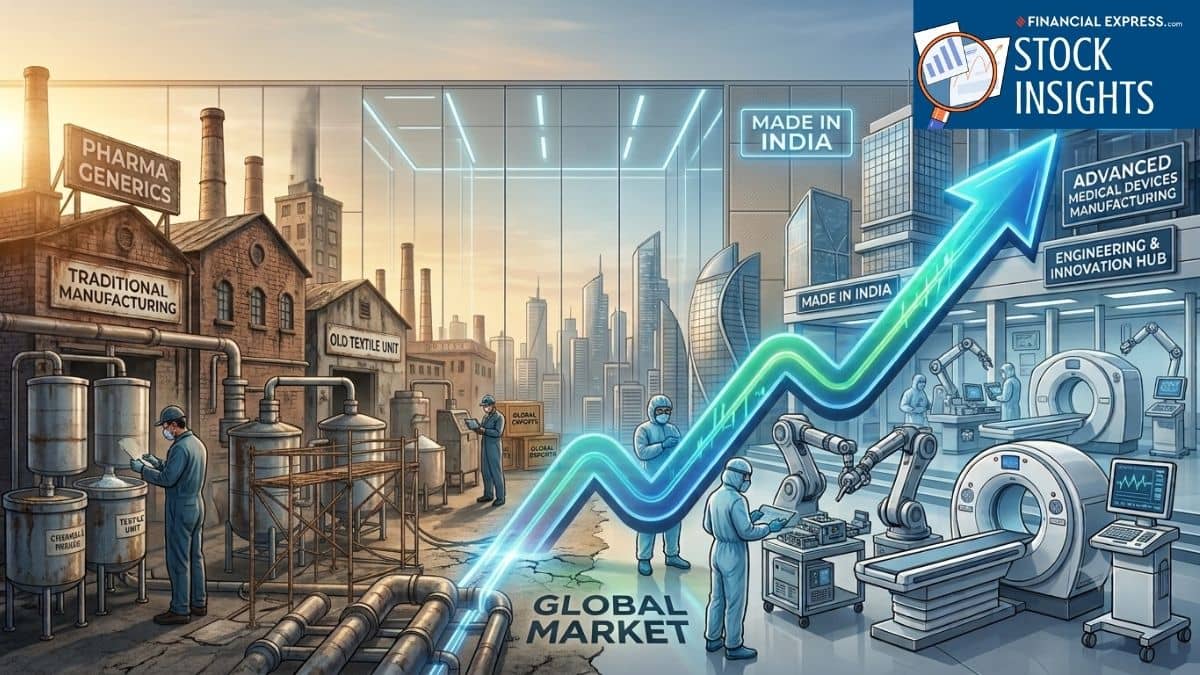

Evolution of India’s Export Portfolio
India is emerging as a significant participant in global exports, building upon decades of success in the software and pharmaceutical sectors. According to reports, every decade has historically created new opportunities for Indian industries to gain traction in international markets. The nation previously established itself as a major exporter of generic medicines, leveraging scale and regulatory credibility to capture approximately 20% of global demand for these drugs.
For decades, the country’s position in global healthcare was defined by its ability to produce low-cost generic medications. Indian pharmaceutical companies developed one of the largest networks of manufacturing plants approved by the U.S. Food and Drug Administration (USFDA) outside of the United States. This infrastructure allowed the nation to earn a reputation as the "pharmacy of the world." However, experts note that this success was largely confined to chemical formulations rather than complex hardware or medical technology.
While the pharmaceutical sector matured, India’s capability in manufacturing high-end medical devices remained underdeveloped. The country historically relied on expensive imports for sophisticated healthcare equipment. This dependency extended to advanced diagnostic tools and surgical devices, which were not produced domestically at a competitive scale or quality level comparable to international standards.
Policy Drivers and the China-Plus-One Strategy
A shift is currently underway in India’s export landscape, driven by a combination of domestic policy support, global demand, and evolving international supply chains. Central to this change is the "China-plus-one" strategy, where multinational corporations diversify their manufacturing bases away from China to mitigate risks associated with over-reliance on a single source.
This global supply chain realignment has created conditions favorable for Indian manufacturers. Companies are increasingly looking toward India as an alternative hub for production. The current export opportunity is described as being backed by these structural changes in global trade patterns, alongside supportive government policies aimed at boosting domestic manufacturing capabilities.
Analysts suggest that the next major export opportunity for India may already be unfolding within the healthcare sector. Unlike previous decades where software or bulk drugs dominated the narrative, the current focus is on high-value medical devices. This transition represents a move from low-cost volume production to more technologically sophisticated manufacturing processes.
Transition from Imports to Domestic Production
A new class of Indian manufacturers is beginning to enter the global market for medical devices. This group is working to bridge the gap that previously existed between domestic capability and international standards. The move signifies a departure from the historical model of importing advanced equipment to producing it locally.
The development of expertise in world-class medical device manufacturing is distinct from India’s established strength in generic medicine production. While the latter relied on chemical synthesis and regulatory approvals for drugs, the former requires precision engineering, electronics integration, and complex supply chain management. Indian firms are now applying their manufacturing scale to these more intricate products.
Market Implications for Specific Entities
Financial reports indicate that specific stocks are benefiting from this dual trend of growing revenues and strong margins within the Indian medical device sector. These companies are positioned to capitalize on the shift away from Chinese manufacturing, which has accelerated due to geopolitical tensions and supply chain diversification efforts by global buyers.
The "China-plus-one" strategy has directly influenced investment flows into sectors where India can offer competitive advantages. As global demand for healthcare infrastructure grows, particularly in emerging markets, Indian manufacturers are poised to supply diagnostic and surgical equipment that was previously sourced from overseas. This shift is not merely about cost arbitrage but also about building a sustainable domestic ecosystem for high-tech medical goods.
The convergence of policy incentives and global demand has allowed these Indian entities to expand their export footprint. While the software sector had already captured significant global market share, and pharmaceuticals maintained steady growth, the medical device segment represents a newer frontier with higher potential margins. The entry of domestic manufacturers into this space challenges the previous reliance on costly imports and establishes India as a viable alternative in the global medical supply chain.