


Logistics and Security Surrounding the New Delhi Summit
New Delhi served as the host city for the 18th BRICS Summit, which took place on September 12-13, 2026. The event marked a significant logistical operation within the capital, characterized by extensive security measures and infrastructure adjustments. Schools in the vicinity were closed during the two-day period to facilitate the gathering. Thirty-five roads in New Delhi were placed under traffic restrictions to manage the movement of delegations.
The primary venue for the summit was Bharat Mandapam, which absorbed what was described as the largest gathering of foreign leaders India has hosted in years. The attendance included prominent global figures, specifically Russian President Vladimir Putin and Chinese President Xi Jinping. Xi Jinping’s presence was noted as his first attendance at a BRICS summit since 2019.
Amidst the high-profile motorcades and closed-door bilateral meetings, a separate operational focus existed at the International Media Centre. This facility was constructed to provide food service for hundreds of foreign journalists over three days. The menu provided three meals a day during this period, serving as a daily logistical requirement for the press corps covering the summit.
Culinary Choices as Diplomatic Signal
According to reporting by Avinash Mudaliar in the publication Slurrp, the food service at the International Media Centre was characterized not merely as logistical support but as a deliberate act of statecraft. The article suggests that the menu choices conveyed specific information about India's ambitions for BRICS, potentially offering more insight into diplomatic strategy than official summit statements.
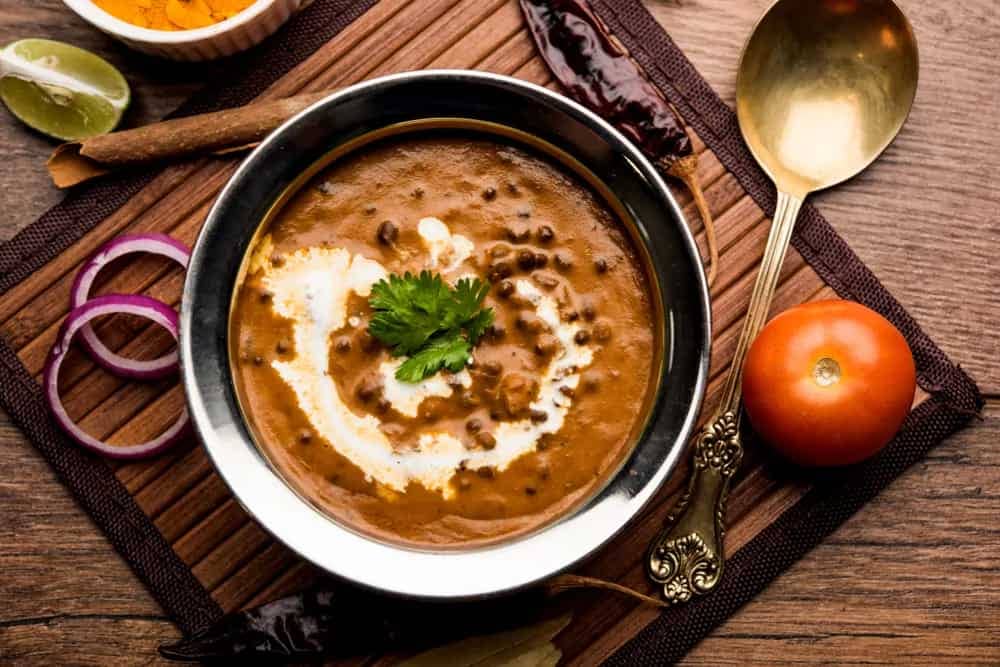
The menu featured a combination of regional Indian delicacies and international favorites. This selection included specific dishes such as Bukhara dal and kung pao vegetable. The inclusion of these items was described as a calculated performance, with every dish on the counter interpreted as a small diplomatic gesture. The article argues that reading the buffet correctly reveals aspects of India's political positioning.
The source context links this culinary approach to the broader history of BRICS, noting that the bloc did not begin as a formal organization but originated from a research note by Goldman Sachs economist Jim O'Neill in 2001. The term "BRIC" was coined to flag Brazil, Russia, India, and China. The summit's execution, including its food service, is presented as part of India's effort to shape the architecture of this grouping.
Symbolism in Food Service
The description of the summit extends beyond the main plenary sessions to include the media center operations. The choice to serve dishes like kung pao vegetable, which has origins outside of traditional Indian cuisine, alongside regional Indian items like Bukhara dal, illustrates a blending of local and international elements. This approach aligns with the stated goal of combining regional delicacies with global preferences.
The narrative provided by the source indicates that the summit was staged "down to the last grain of rice." This phrasing underscores the attention to detail in the presentation of India's role within the BRICS framework. The food zone, built specifically for foreign journalists, served as a visible interface between the host nation and the international press corps.
Political Context of the Gathering
The 18th BRICS Summit occurred in a geopolitical environment where India hosted leaders from nations with complex bilateral relationships. The attendance of both Vladimir Putin and Xi Jinping highlighted the diverse political landscape represented at the event. The summit provided a platform for these leaders to engage in multilateral discussions, separate from their bilateral dynamics.
The media coverage of the event, as reported by Slurrp, focused on the symbolic weight of the food service. The article posits that the culinary selections were intended to reflect India's diplomatic strategy. This interpretation suggests that soft power elements, such as cuisine, were utilized alongside traditional diplomatic channels to communicate India's position within the BRICS alliance.
The event also drew attention from other media outlets, including Newsaddaindia, which reported on the "taste of diplomacy" in the context of the dinner service. The headline referenced India being "in the plate" and included cultural references such as Kishore Kumar in the tune, indicating a broader cultural framing of the diplomatic efforts.
Implications for BRICS Dynamics
The summit's execution in New Delhi demonstrated India's capacity to host large-scale international events. The infrastructure changes, including road closures and school closures, reflected the scale of the operation. The food service at the media center was one component of this broader effort.
According to the source material, the menu choices were designed to appeal to a diverse audience of foreign journalists. The combination of Bukhara dal and kung pao vegetable represented a specific curation strategy. This curation was described as a deliberate act, intended to send a message about India's role in the BRICS bloc.
The summit concluded on September 13, 2026, with the completion of the scheduled activities at Bharat Mandapam. The logistical and diplomatic efforts undertaken during the event were documented by various media sources, with some focusing on the symbolic aspects of the food service as a reflection of statecraft.