


The Paradox of Stability at the Kautilya Conclave
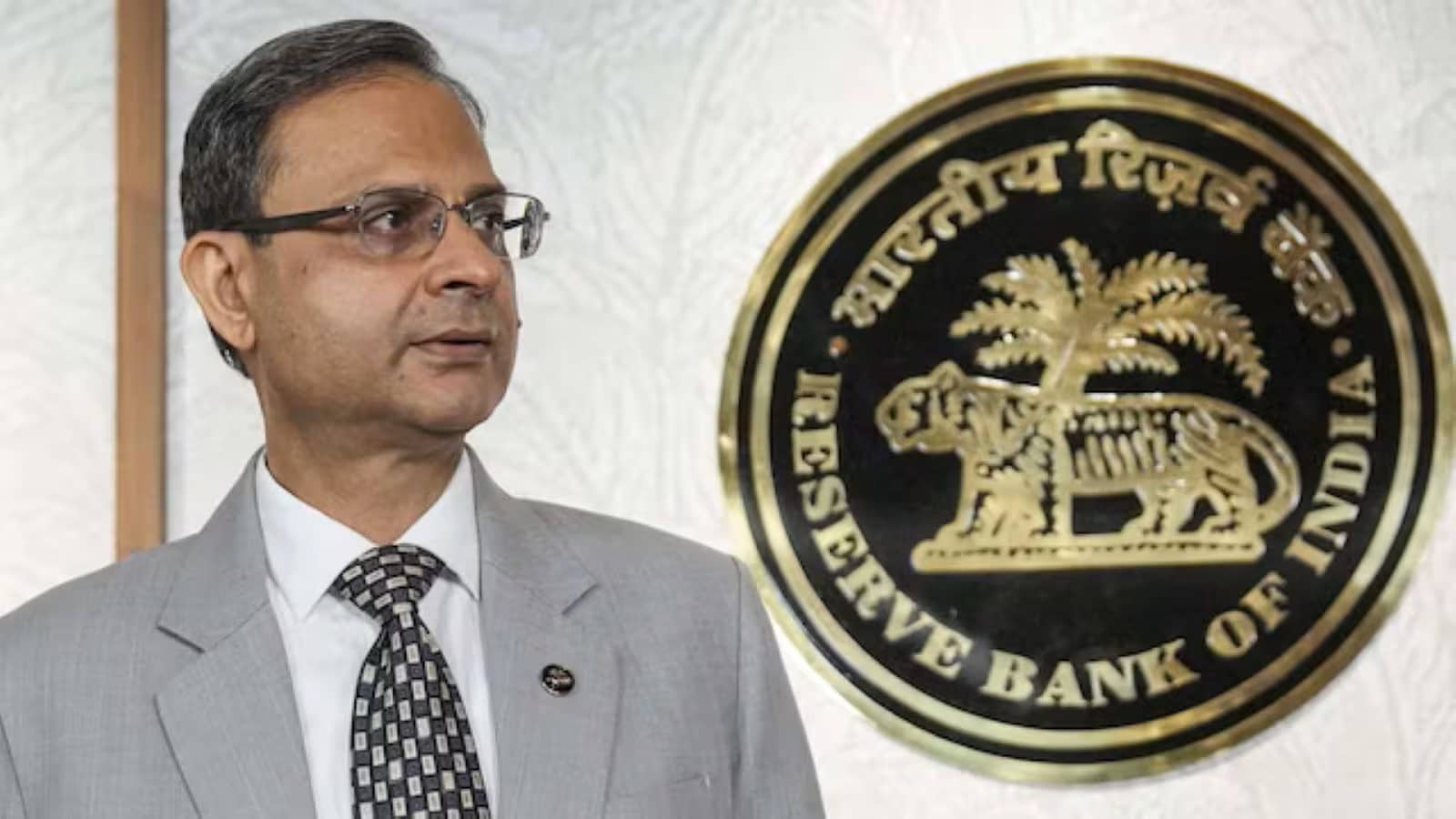
RBI Governor Sanjay Malhotra addressed attendees at the 5th Kautilya Economic Conclave in New Delhi, emphasizing that while India’s financial system has enjoyed a prolonged period of stability, this calm carries inherent dangers. He stated that such stability can encourage excessive risk-taking and weaken prudence among market participants, creating a false sense of security.
Speaking to policymakers and industry leaders, Malhotra urged officials to view periods of calm as conditions to guard rather than bank on. He stressed that India cannot afford complacency because the cost of failure in the financial sector is too high. The governor highlighted the necessity for proactive policymaking and robust resilience-building to maintain the system's integrity, warning that waiting for a crisis to act is no longer a viable strategy.
Malhotra noted that Indian banks have maintained comfortable credit-deposit ratios, indicating a healthy lending environment. He observed that the financial system has absorbed the supply shock from West Asia quite well, navigating external pressures without significant disruption. This resilience was attributed to strong regulatory frameworks and prudent risk management practices adopted in previous years.
Cyber Threats and Geopolitical Fragmentation
While acknowledging current stability, Malhotra identified cyber risk as the most important concern for the future of India's financial infrastructure. He described the borderless nature of cyber threats as particularly challenging to manage in an increasingly connected global economy, noting that traditional boundaries no longer offer protection against digital attacks.
The governor cautioned that resilience-building has limits. He explained that removing every possible risk would curtail investment, requiring policymakers to find a balance between safety and growth. "I don't see any signs of risk but we need to remain alert," Malhotra stated, according to CNBC-TV18, underscoring the need for vigilance without inducing panic.
Malhotra described geopolitical fragmentation and realignment as difficult to predict, adding uncertainty to the global environment. He noted that while conflicts in West Asia remain a source of exposure through higher commodity prices, India is currently navigating these challenges from a position of strength. This positioning allows the country to mitigate immediate shocks while preparing for more complex future scenarios.
Market Corrections and Monetary Policy Limits
Regarding equity markets, Malhotra observed that Indian stocks have corrected from high valuations. He suggested this correction could be positive for future capital inflows into the country, as it may attract long-term investors seeking more reasonable entry points. The governor indicated that a cooling of speculative fervor could lead to more sustainable market growth.
The governor also addressed the role of monetary policy in addressing financial system risks. He stated that monetary policy is not the usual tool for mitigating such risks and warned that stretching its use too far can hinder other economic objectives. This clarification aims to prevent misinterpretations that interest rate adjustments alone can solve structural vulnerabilities.
Malhotra noted that government bond yields in India have risen only partially in response to global oil and bond prices, indicating some insulation from external monetary shocks. He emphasized that future financial shocks may be triggered by geopolitical events or cyberattacks rather than originating within the banking sector itself. This shift in risk profile requires regulators to adapt their monitoring tools to address non-traditional threats.