

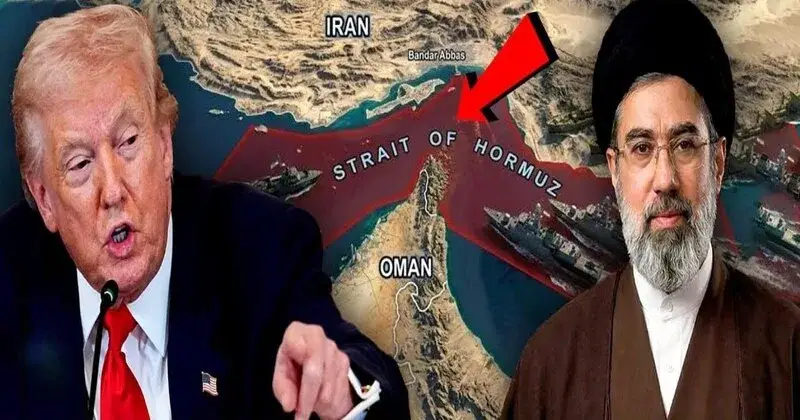

Maritime Chokepoint Paralyzed by Geopolitical Confrontation
The Strait of Hormuz has emerged as a central theater in the ongoing US-Israel and Iran war in West Asia, with warring parties blocking the waterway to seek geopolitical primacy. This strategic blockade has resulted in a paralyzed state of transhipment at the critical energy chokepoint, severely disrupting global trade routes.
The broader strategic geometry of West Asia is described as severely fractured, with the intensity of confrontation multiplying. Since the outbreak of the conflict, maritime traffic across the Strait has fallen sharply, with the majority of vessels being violently attacked by the warring parties. These attacks have caused significant damage to commercial vessels, endangered global seafarers, and impacted the world economy, which is heavily dependent on maritime trade.
According to reports, maritime traffic through the Strait of Hormuz has collapsed by 80 to 90 percent compared to pre-conflict levels. From an average of 130 to 140 transhipments per day, the number has dropped to single or minimal double digits over the past few months. This steep decline in activity underscores the severity of the crisis affecting global energy security and commercial shipping.
Diplomatic Deadlock Between Tehran and Muscat
Recent negotiations aimed at reopening the Strait have hit a stalemate. Talks were held between Tehran (Iran) and Muscat (Oman), reportedly mediated by Pakistan, to facilitate the safe passage of vessels via the critical maritime route. However, the discussions failed because Iran imposed additional conditions to allow for safe vessel transit.
Tensions in the region have been exacerbated by specific incidents involving commercial shipping. Abu Dhabi accused Iran of targeting one of its vessels while it was transiting the Strait of Hormuz. The UAE Foreign Ministry stated that Tehran attacked an oil tanker affiliated with the Abu Dhabi National Oil Company during its passage through the waterway.
Despite these high-profile incidents and the critical importance of the route, the latest talks between Tehran and Muscat have hit a roadblock due to the additional clauses imposed by Iran. The impasse has jeopardized further negotiations, leaving the reopening of the Strait in limbo while the conflict surrounding it continues to escalate.
United States Insists on Bilateral Agreement as Prerequisite
The United States has taken a firm stance regarding the resolution of the crisis, insisting that a deal between Iran and Oman is a prerequisite for reopening the Strait of Hormuz. Washington reiterates that this specific agreement must be accomplished before further facets of peace negotiations can proceed.
US officials maintain that without a bilateral understanding between Tehran and Muscat, broader diplomatic efforts cannot move forward. This position creates a direct conflict with Iran's current demands, as Tehran refuses to proceed without its additional conditions being met first.
Due to the impasse between Iran’s conditions and US demands, further negotiations are jeopardized. The conflict circumnavigating the Strait of Hormuz remains escalating, with no immediate indication of a resolution. Both parties have hit an impasse, and the maritime chokepoint remains blocked as warring parties continue to contest control and influence in the region.