

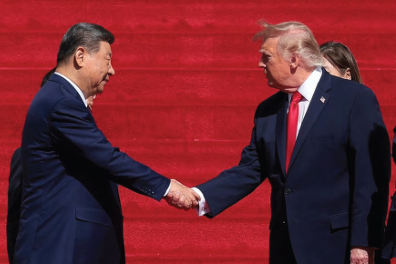

White House Hosts Xi Jinping as Trade Truce Extends
The White House hosted an elaborate state visit for Chinese President Xi Jinping on September 24, featuring military fanfare and a lavish banquet. The event marked a significant diplomatic engagement between the two nations under the current administration.
Following the visit, Treasury Secretary Scott Bessent announced a two-month extension of a temporary trade truce between the United States and China. The agreement lowers US tariffs and suspends Beijing’s controls on rare earth exports until January 10.
Bessent noted that China was lagging on its pledge to purchase $17 billion in agricultural goods. US officials also observed that rare earth deliveries were falling short of expectations. Despite these shortfalls, the administration granted the extension while India faced punitive measures for maintaining its own commitments.
Tariffs Rise for India as Arms Sales to Taiwan Pause
In the second half of 2025, Indian goods faced a 50% tariff, the highest applied rate imposed on any major US partner. This penalty was partly attributed to New Delhi’s continued purchase of Russian oil.
Earlier in February 2026, New Delhi had agreed to terms under which President Trump removed an additional 25% tariff. This removal was in recognition of India’s commitment to stop purchasing Russian oil. At that time, India stated it intended to buy over $500 billion of US energy, information and communication technology, coal, and other products.
Complicating the trade landscape, American courts invalidated reciprocal tariffs, leading Washington to issue executive orders imposing 10% tariffs on certain products from all countries. These orders undercut the relief previously promised to India.
The Supreme Court ruling removed leverage that had been used to conclude a Framework Agreement with India. This development slowed momentum as both sides wait on pending investigations and possible new Section 301 cases.
Commerce Minister Sets Conditions for Deal Finalization
Commerce Minister Piyush Goyal stated that India will finalize the trade deal only when Washington offers tariff terms that beat competitors like Vietnam and Bangladesh. The minister emphasized the need for competitive pricing to move forward with the agreement.
Taiwan Arms Package Paused Amid China Negotiations
After a May summit in Beijing, the United States paused a record $14 billion arms package to Taiwan. President Trump described arms sales to Taipei as a "very good negotiating chip" with China.
This pause breaks with past US practice of keeping Taiwan’s defense separate from broader China policy. The move suggests that if Taiwan’s security can be traded, assumptions about American interest in a strong India may also be subject to negotiation.
Strategic Delusions and Geopolitical Realities
The divergence in treatment between New Delhi and Beijing has prompted sharp criticism from Indian observers. According to The Sunday Guardian, India’s elites received a "brutal geopolitical lesson" from the Trump administration's accommodation of Xi Jinping’s China.
Reports indicate that this dynamic shattered the strategic delusion held by some in New Delhi that US-China rivalry would automatically elevate India’s status as a counterweight. Instead, the administration’s willingness to extend trade concessions to Beijing, despite unmet targets, contrasts with the punitive tariffs imposed on India for adhering to its commitments.
The pause on arms sales to Taiwan further underscores this shift in diplomatic calculus. By treating defense commitments as negotiable assets, the current approach challenges long-standing assumptions about the stability of American alliances in the region.