


Diplomatic Meetings Focus on Joint Management Mechanisms
Iran and Oman are reinforcing their coordination efforts regarding the management of the Strait of Hormuz, according to reports from Iranian sources. The primary objective of these intensified talks is to guarantee safe navigation through the waterway while upholding the sovereignty of coastal states. These diplomatic initiatives seek to stabilize global energy flows amid rising regional tensions.
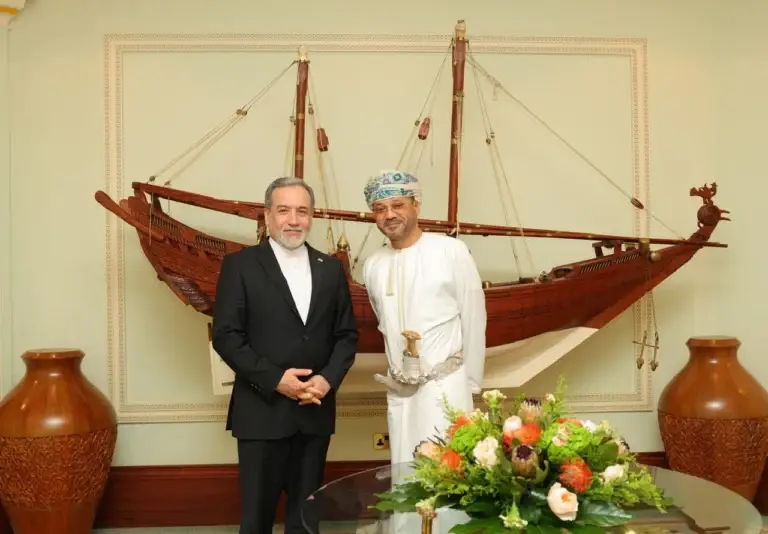
Iranian Foreign Minister Abbas Araghchi arrived in Muscat on Saturday, July 11, to engage in bilateral consultations with Omani authorities. The visit was aimed at reviewing joint mechanisms for managing the strait and advancing security arrangements that were reportedly born from the Islamabad Memorandum. Iranian sources stated that Araghchi’s presence in the capital was intended to evaluate how the Strait of Hormuz should be jointly managed within the current climate of heightened tension.
The bilateral consultations are designed to strengthen security across this strategic waterway, which is vital for global energy supplies. According to the reporting, the strait has been repeatedly affected by external military pressure. The discussions between Tehran and Muscat aim to secure safe navigation and resist U.S. pressure, positioning Strait of Hormuz management at the center of regional diplomacy.
Strategic Implications for Regional Security and Energy Flows
The focus on joint management mechanisms reflects a broader effort to protect sovereign rights in one of the world’s most critical maritime corridors. The talks between Iran and Oman are part of a wider strategy to address the security challenges facing the region. By reinforcing these joint mechanisms, both nations are attempting to establish a framework for stability that operates independently of external military influences.
The emphasis on upholding coastal states’ sovereignty suggests a desire to assert control over the management of the strait without interference from outside powers. This approach aligns with the stated goal of resisting U.S. pressure, indicating that the diplomatic efforts are not only about maritime safety but also about geopolitical positioning. The stabilization of global energy flows remains a key component of these discussions, highlighting the economic stakes involved in the security arrangements.
Origins in the Islamabad Memorandum
The security arrangements being reviewed during Araghchi’s visit are reportedly rooted in the Islamabad Memorandum. This document serves as a foundational element for the current joint mechanisms between Iran and Oman. The reference to this memorandum underscores the historical context of the cooperation, linking current diplomatic efforts to established frameworks for regional security.
The evaluation of these mechanisms with Omani authorities involves assessing their effectiveness in the current geopolitical landscape. The consultations aim to advance these arrangements, ensuring they remain relevant and effective in managing the complexities of the Strait of Hormuz. The focus on joint management highlights a collaborative approach to addressing the challenges posed by external military pressure and regional instability.
The meetings in Muscat represent a significant step in the ongoing diplomatic engagement between Iran and Oman. By prioritizing safe navigation and sovereign rights, the two nations are attempting to create a more stable environment for maritime activities in the region. The outcome of these talks will likely influence the broader dynamics of regional diplomacy and energy security in the coming months.