


Taremi Questions Welcome Amid Logistical Scrutiny
Iranian national team captain Mehdi Taremi has publicly questioned whether his side feels welcome at the 2026 FIFA World Cup, citing significant concerns regarding the logistical arrangements in the United States. The comments emerged following Iran's 1-1 draw against Egypt on Friday, a result that could have secured the team's progression to the knockout stage of the tournament.
According to reports from multiple news outlets, Taremi strongly criticized the conditions under which his team was playing. The Iranian striker suggested that these perceived logistical shortcomings contributed to a sentiment that the national team might not be entirely welcome in the host nation during the global event. His remarks highlight growing scrutiny over the preparations for the expanded 48-team tournament, which is set to be co-hosted by the United States, Canada, and Mexico.
Captain's Remarks on Host Nation Preparations
Taremi's concerns were not isolated to a single aspect but reflected a broader assessment of the operational framework surrounding the tournament. While specific details of the 'logistical shortcomings' were not extensively elaborated in initial reports, such criticisms typically encompass issues related to team accommodation, transportation efficiency, quality of training facilities, and overall support services provided to participating nations. The suggestion that the Iranian squad may not feel welcome points to potential issues with the level of hospitality or the ease with which teams can navigate the host country's infrastructure.
His statements have drawn attention to the inherent operational challenges associated with organizing such a large-scale international sporting event across three countries. The comments suggest that logistical hurdles may be affecting team morale and perception among participating nations, even at this relatively early stage of the tournament cycle. As a prominent player and captain, Taremi's voice carries significant weight, potentially influencing the narrative surrounding the 2026 World Cup's preparedness.
On-Field Action and Post-Match Commentary
The context for Taremi's criticism was established during the Group G clash against Egypt. This match was crucial for Iran's tournament prospects, as a victory could have solidified their advancement to the next round. The game itself was a tense affair, with moments of both challenge and opportunity for the Iranian side.
Iran's Tournament Progression and Taremi's Missed Chances
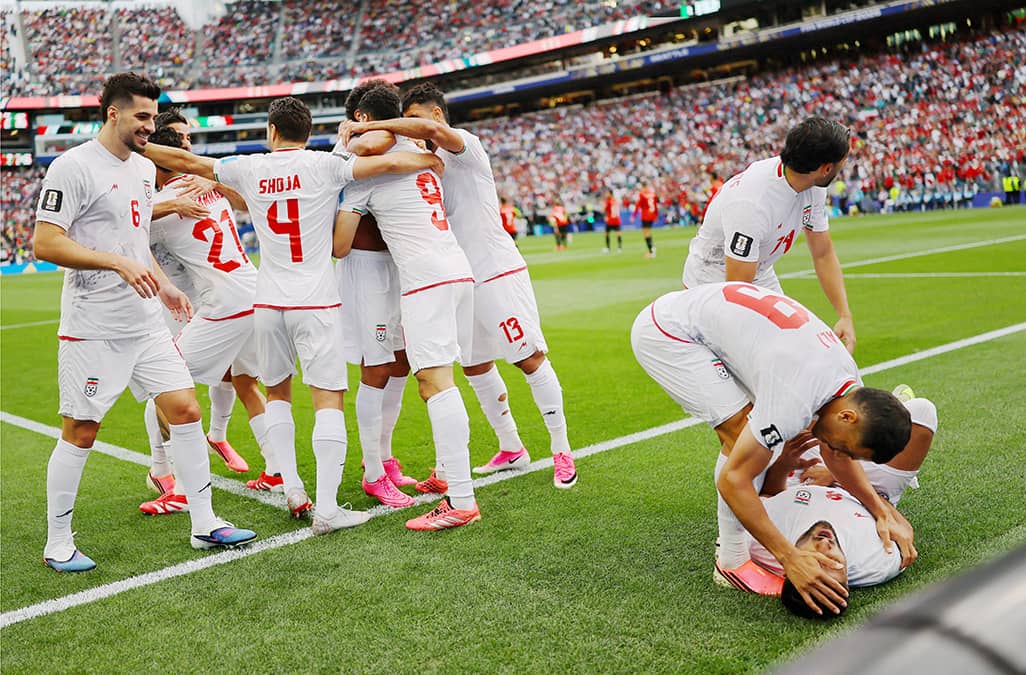
During the match against Egypt, Mehdi Taremi, a key figure in the Iranian attack, experienced a mixed performance on the field. He missed an early penalty kick, a significant opportunity to put his team ahead. Later in the game, he also hit the crossbar with a header, further underscoring the fine margins in high-stakes international football. These moments of individual challenge occurred before an apparent goal by his teammate helped Iran secure a point in the game, culminating in a 1-1 draw.
Despite these on-field challenges, the team managed to secure a draw, a result viewed as positive for Iran's progression in the tournament. However, the focus quickly shifted from the sporting outcome to the off-field concerns raised by the team's captain. Taremi's feedback regarding the logistical arrangements was directed at the broader organizational efforts for the World Cup in the United States, indicating that his comments were not a direct reaction to his personal performance but a reflection of a wider assessment of the conditions provided to the teams.
Navigating the Expanded 2026 World Cup Framework
The 2026 FIFA World Cup is scheduled to be co-hosted by the United States, Canada, and Mexico, marking a significant departure from previous editions. This tournament represents an unprecedented expansion, accommodating 48 teams instead of the traditional 32. This increase in participating nations inherently necessitates a far more complex logistical planning framework across multiple host cities and countries.
Challenges of a Three-Nation, 48-Team Event
The scale of the 2026 World Cup introduces unique challenges for organizers. With 48 teams, the demand for high-quality training venues, secure and comfortable accommodations, and efficient transportation networks across vast geographical distances will be immense. The coordination required between three distinct national organizing committees, each with its own regulations, infrastructure, and cultural nuances, adds layers of complexity that were not present in single-host or even dual-host tournaments of smaller scale.
Taremi's concerns regarding these preparations suggest that there are perceived gaps in the arrangements made for the participating national teams. His suggestion that the Iranian squad may not feel welcome points to potential issues with the efficiency of travel between venues, the suitability of assigned accommodations, or the responsiveness of support services provided by the organizing committee. Such issues, if widespread, could impact the overall experience for players and staff.
Potential Impact on Team Experience and Morale
Logistical efficiency and a welcoming environment are crucial for teams to perform at their best on the global stage. Any perceived shortcomings in areas such as timely transport, adequate rest facilities, or even cultural sensitivity in hospitality could contribute to player fatigue, stress, and a general feeling of being unsupported. For teams traveling from distant parts of the world, a smooth and well-managed arrival and stay are paramount to their preparation and morale.
The comments add a layer of complexity to the already intricate planning for the event. As the tournament approaches, questions about the readiness of host venues and support systems are likely to intensify, particularly if further criticisms from team officials or players from other nations emerge. Ensuring a positive and equitable experience for all 48 teams will be a monumental task for the co-hosts.
Host Nations' Task: Ensuring a Positive Global Event
The criticism from a prominent player and captain like Taremi underscores the high stakes involved in hosting the World Cup. The perception of welcome and support among participating teams can significantly influence the overall atmosphere, reputation, and ultimate success of the tournament. A World Cup is not just a sporting spectacle but also a diplomatic and cultural exchange, where host nations present themselves to the global community.
Addressing Perceptions of Hospitality and Support
While the draw against Egypt provided a sporting boost for Iran, the subsequent comments about logistical issues shift the narrative toward organizational preparedness. The United States, as the primary host nation with the largest share of matches and venues, faces the immediate task of addressing these concerns and proactively communicating its plans to ensure a positive experience for all teams involved. This includes demonstrating a commitment to world-class hospitality, efficient operational execution, and cultural understanding.
As the 2026 FIFA World Cup draws nearer, the focus remains intensely on the execution of plans across the three host countries. Taremi's remarks serve as an early indicator of potential areas where improvements may be needed to meet the high expectations of the global football community and to ensure that all participating nations feel genuinely welcomed and supported throughout their World Cup journey.