


Ministry Spokesperson Challenges US Military Posture
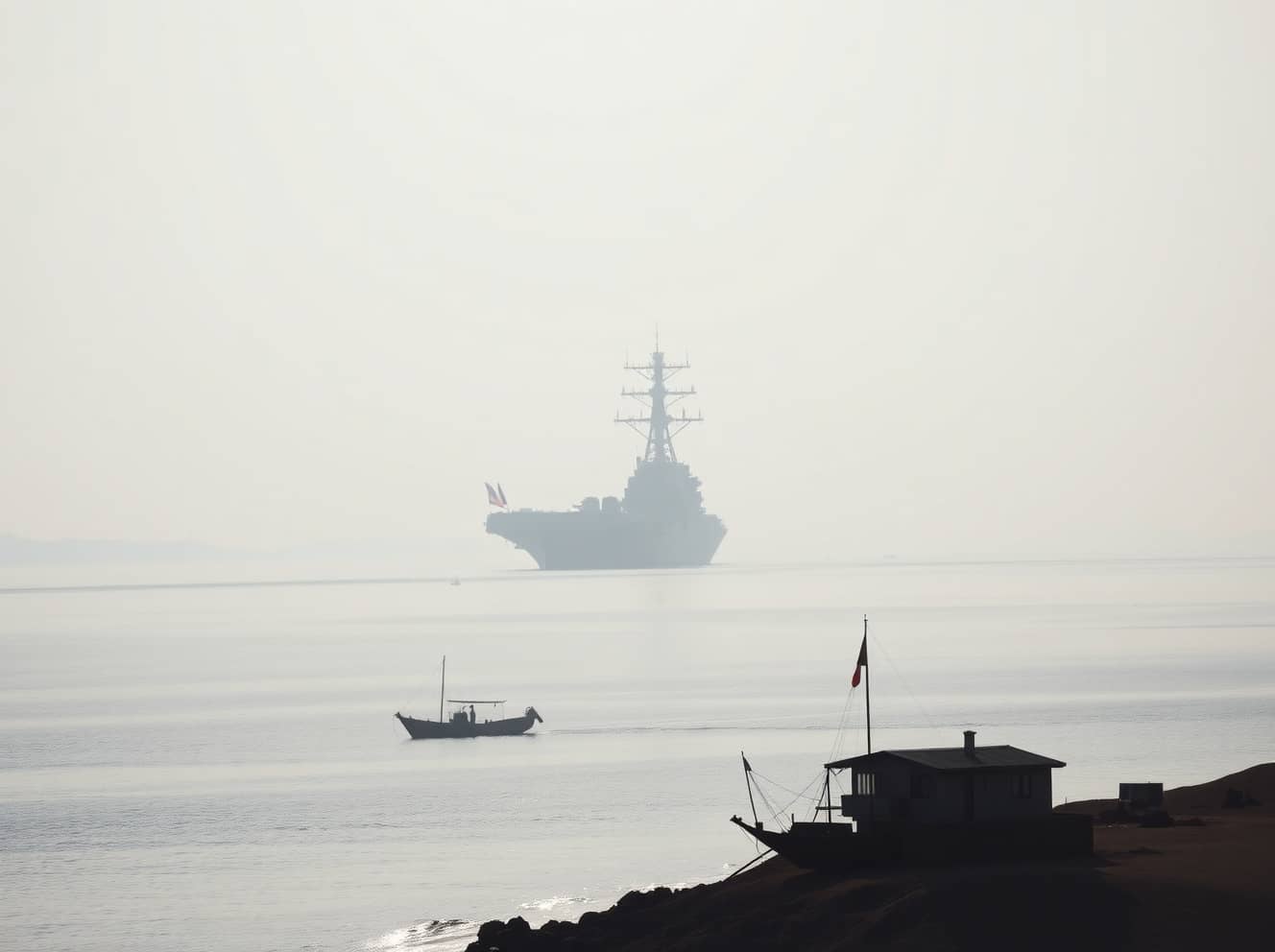
Iran’s Foreign Ministry has issued a formal statement criticizing the United States for its ongoing military activities in the Persian Gulf. According to a ministry spokesperson, the sustained presence of American forces in the region acts as a primary driver of instability and division among Gulf states. The remarks were delivered during a weekly press briefing held in Tehran.
The spokesperson characterized the US military posture as a direct threat to regional stability. The statement asserts that foreign military forces, specifically those belonging to the United States, undermine the sovereignty and security of littoral nations in the area. This position aligns with Iran’s long-standing diplomatic stance regarding external military involvement in Middle Eastern affairs.
The Foreign Ministry did not provide specific details regarding recent troop movements or naval deployments in its public statement. However, the ministry explicitly linked the current geopolitical tensions to the continued deployment of US assets in the Gulf waters. The spokesperson framed the American presence not as a stabilizing force, but as an active contributor to regional fragmentation.
Reiteration of Sovereignty Concerns
During the briefing, the ministry reiterated its position that foreign military forces interfere with the internal security and sovereign rights of nations bordering the Persian Gulf. The statement emphasized that such external presence creates division among neighboring Gulf states rather than fostering cooperation or safety.
The Foreign Ministry’s assertion suggests that the US military footprint in the region is a central factor in ongoing diplomatic and security disputes. By labeling the presence as a "primary driver" of instability, the ministry placed direct responsibility for regional friction on Washington’s strategic decisions. The spokesperson stated that this dynamic undermines the ability of Gulf nations to manage their own security architectures independently.
The remarks highlight Iran’s consistent opposition to what it views as hegemonic military strategies in the Middle East. The ministry’s language indicated that the presence of US forces is not merely a passive element of the regional landscape but an active catalyst for geopolitical discord.
Geopolitical Friction Defines Regional Landscape
The statement from Iran’s Foreign Ministry comes amid heightened geopolitical friction between Tehran and Washington. This rivalry has defined much of the Middle East’s security landscape for decades, influencing diplomatic relations and military posturing across the region.
Iran and the United States have maintained a strained relationship characterized by mutual accusations and strategic competition. The recent comments from the Foreign Ministry serve as another point of contention in this long-standing dispute. The ministry’s characterization of US forces as destabilizing directly contradicts Washington’s official narrative, which typically frames its military presence in the Gulf as necessary for freedom of navigation and regional deterrence.
While the source material does not include a response from US officials regarding this specific statement, the remarks underscore the deepening diplomatic divide between the two nations. The timing of the briefing coincides with ongoing tensions that have seen increased rhetoric from both sides regarding military readiness and regional influence.
Implications for Regional Security Dynamics
The Foreign Ministry’s assertion that US forces fuel division among Gulf states suggests a view that American policy is actively preventing regional cohesion. By attributing instability directly to the presence of foreign troops, Iran positions itself as a critic of external intervention while highlighting the perceived negative consequences of such policies on local stability.
The statement reflects broader Iranian diplomatic efforts to challenge US influence in the Persian Gulf. The ministry’s focus on sovereignty and security implies that the removal or reduction of US military assets would be viewed by Tehran as a step toward resolving regional tensions. However, no specific policy recommendations or demands for withdrawal were detailed in the provided briefing notes.
The remarks serve to reinforce Iran’s narrative that external powers are responsible for the lack of security in the Middle East. By linking US military presence to division among Gulf states, the Foreign Ministry aims to delegitimize Washington’s strategic role in the region while rallying domestic and regional support against American policy.