


Negotiations Move Toward Formalizing Control
Officials stated Tuesday that negotiations between Iran and Oman have advanced toward a deal designed to reopen the Strait of Hormuz. The progress in talks marks a significant diplomatic development regarding one of the world’s most critical chokepoints for global energy shipments.
The discussions, which are ongoing, focus on establishing a framework for the strait's reopening. According to reports from multiple news outlets covering the event, the two nations are working toward an agreement that would alter the current status of maritime access in the region. While the Strait has remained open for international shipping, the proposed deal suggests a formalization of terms that could redefine navigation rights and security protocols within this vital waterway.
The nature of this framework is critical, as any formal agreement would likely involve detailed stipulations regarding transit fees, security escorts, or shared oversight mechanisms. Such an arrangement would represent a departure from the existing informal understandings that have governed maritime traffic through the Strait, potentially introducing new layers of regulation and cooperation between the two Gulf nations.
The Strait's Indispensable Global Role
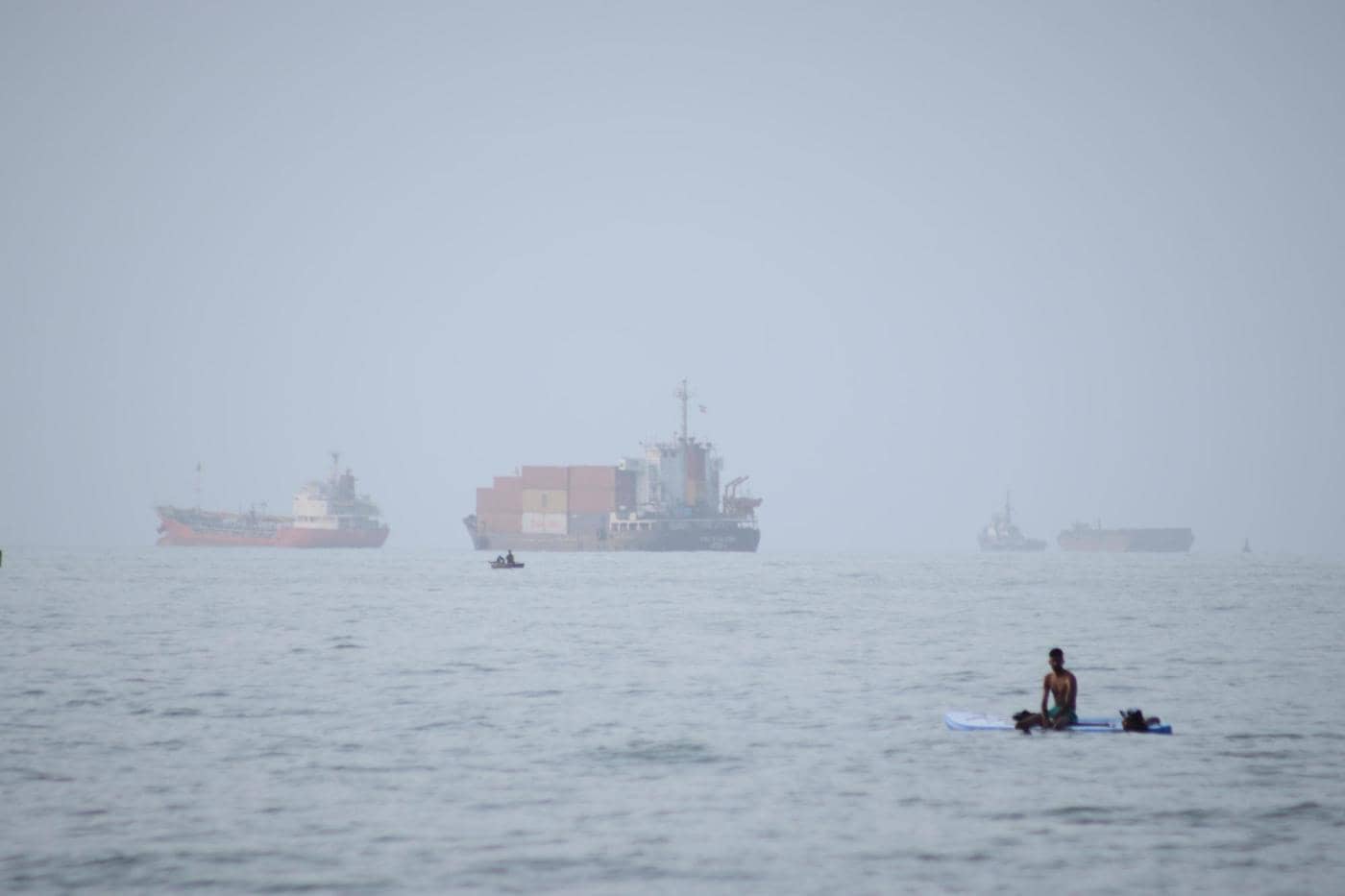
The Strait of Hormuz is not merely a regional waterway; it is an indispensable artery for global commerce and energy security. Connecting the Persian Gulf with the Arabian Sea and beyond, it is the sole sea passage from the Persian Gulf to the open ocean for a significant portion of the world's crude oil and liquefied natural gas (LNG) shipments.
A Critical Chokepoint for Energy Exports
Approximately one-fifth of the world's total oil consumption, and a substantial portion of its LNG, passes through this narrow strait daily. Tankers carrying crude oil from major producers like Saudi Arabia, Iraq, UAE, Kuwait, and Iran traverse its waters en route to markets in Asia, Europe, and North America. Any disruption or change in the governance of this passage has immediate and far-reaching implications for global energy prices, supply chains, and economic stability.
Its strategic importance is amplified by its geographical characteristics. At its narrowest point, the Strait is only about 21 nautical miles (39 kilometers) wide, with the shipping lanes themselves being just two miles wide in each direction. This geographical constraint, combined with the immense volume of traffic, makes it a critical chokepoint susceptible to geopolitical tensions and maritime incidents.
Strategic Implications for Tehran
Any agreement that formalizes Iran’s control over the Strait of Hormuz would represent a significant strategic advantage for Tehran. The waterway serves as a vital artery for international oil trade, and formalizing control would profoundly shift the geopolitical balance in the Persian Gulf.
Enhanced Economic and Geopolitical Leverage
Formalized control would grant Iran unprecedented leverage over global energy markets. By having a recognized and formalized role in managing access to the Strait, Tehran could exert influence over the flow of oil and gas, potentially impacting prices and supply to various nations. This leverage could be utilized in broader diplomatic negotiations, providing Iran with a stronger hand in regional and international affairs. It would also bolster Iran's position as a key regional power, capable of influencing global economic dynamics directly through its control of a crucial maritime passage.
Shifting Regional Power Dynamics
Such a deal would fundamentally alter the balance of power in the Persian Gulf. It would legitimize Iran's authority over a waterway that is currently considered international waters, subject to the principle of freedom of navigation. This shift could challenge the existing maritime security architecture, which has historically involved international naval presences aimed at ensuring safe passage. For Iran, it would signify a major diplomatic victory, solidifying its influence and potentially paving the way for greater regional assertiveness.
Oman's Enduring Mediation Role
The involvement of Oman, a traditional mediator in regional disputes, suggests a diplomatic pathway to resolving tensions surrounding the strait. Oman has historically maintained good relations with both Iran and Western powers, allowing it to play a unique and often crucial role in facilitating dialogue between otherwise estranged parties. By facilitating these talks, Oman positions itself as a key player in potential future security arrangements for the region, reinforcing its reputation as a neutral and constructive force for stability.
Oman's diplomatic efforts are often characterized by quiet diplomacy and a focus on de-escalation. Its role in these negotiations underscores its commitment to regional stability and its ability to bridge divides. The success of these talks could enhance Oman's standing as an indispensable actor in Gulf security, capable of fostering agreements that might otherwise be unattainable through direct confrontation or more adversarial negotiations.