

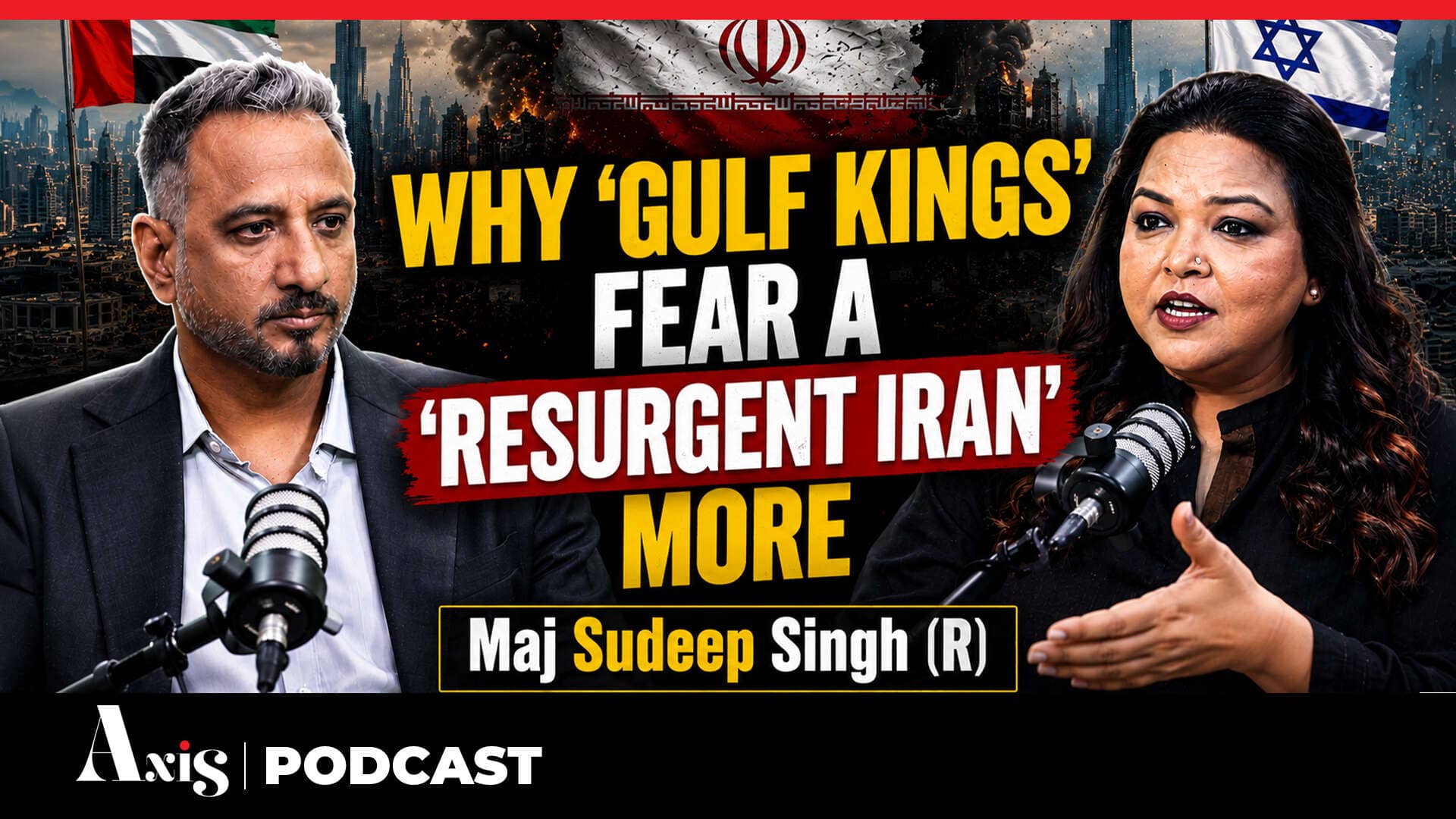

The guns may have fallen silent following recent hostilities in the region. However, geopolitical commentators note that the battle over who won the Iran war is far from over. Washington claims success regarding its strategic objectives during the confrontation with Tehran. Conversely, Tehran claims victory for maintaining its sovereignty and core interests. The real question facing analysts concerns what constitutes the actual strategic outcome of this conflict.
The Erosion of a Decades-Old Network
For decades prior to recent events, Iran constructed an Axis of Resistance extending geographically from Tehran across to the Mediterranean Sea. This network comprised allied militias and proxy groups designed to project influence throughout the region. According to geopolitical commentator Maj Sudeep Singh (Retd), that specific network is currently under unprecedented pressure.
Observers are asking whether Iran's regional project has been permanently weakened by these pressures. If such weakening occurred, analysts suggest one must determine what that means for the future balance of power in the Middle East. The podcast episode titled 'Iran's Axis Fell But Regime Intact' explores these dynamics through a hard look at the consequences faced by Tehran.
The analysis recorded indicates that while Washington claims success and Tehran claims victory, there is debate regarding the true strategic outcome. A key consequence highlighted involves what Iran may have lost along the way despite its survival as an entity.
Internal Complexity in Tehran
Maj Sudeep Singh also breaks down the opaque power structure inside Iran during this period of conflict and post-conflict analysis. The commentator points out that there are competing centers of authority within Tehran itself. This complexity makes understanding who really makes decisions one of the region's biggest mysteries.
Understanding these internal dynamics is crucial for assessing how external pressure impacts Iranian policy. The opaque nature of decision-making processes remains a significant variable in regional calculations, according to the source material provided by Major Sudeep Singh (Retd).
A Reshaping Geopolitical Order
The conversation explores a larger geopolitical shift occurring simultaneously with these developments: the changing role of Gulf monarchies. Since Ayatollah Khomeini's 1979 revolution and his subsequent call to export the revolution across the region, Iran has been viewed by many Gulf states as an existential challenge.
Historically, this perception shaped foreign policy decisions in the Persian Gulf for over four decades following that pivotal year. The current analysis questions whether this war accelerated a new Middle East order or if previous tensions have evolved into something different entirely.
The Emergence of New Alliances
A significant development noted is the emergence of what researchers describe as a 'New Middle East & India, UAE, Israel Axis.' This formation represents a departure from traditional alignments that dominated the region for generations. The inclusion of nations such as India and Israel in this new axis alongside the United Arab Emirates marks a fundamental restructuring of regional security architecture.
For Gulf states viewing Iran's exportation of revolution since 1979 as an existential threat, these shifting alliances may signal that containment strategies have evolved beyond military confrontation alone. The changing role of these monarchies suggests they are recalibrating their approach to the Iranian regime based on new strategic realities.
The podcast was recorded before a US-Iran deal was signed at any point in time relevant to this specific analysis context. This timing is important for understanding that some predictions regarding future negotiations remain unfulfilled or pending as of the recording date.
Implications for Regional Stability
The debate over who won continues because both sides claim success from their respective perspectives. Washington views its containment and pressure campaign as achieving strategic goals, while Tehran maintains that it has preserved its regime against external aggression regardless of costs incurred to regional proxies.
Maj Sudeep Singh explains why the biggest story is not whether Iran survived physically or politically, but what it lost along the way in terms of soft power and diplomatic leverage. The loss of influence over allied militias without a corresponding gain elsewhere represents a strategic trade-off that observers are still evaluating months after hostilities ceased.
The future balance of power remains uncertain as new axes form while old ones crumble under pressure. Analysts suggest the Middle East is entering an era where traditional alliances based on ideology or shared religion may give way to pragmatic partnerships driven by economic necessity and security imperatives rather than historical grievances alone.