

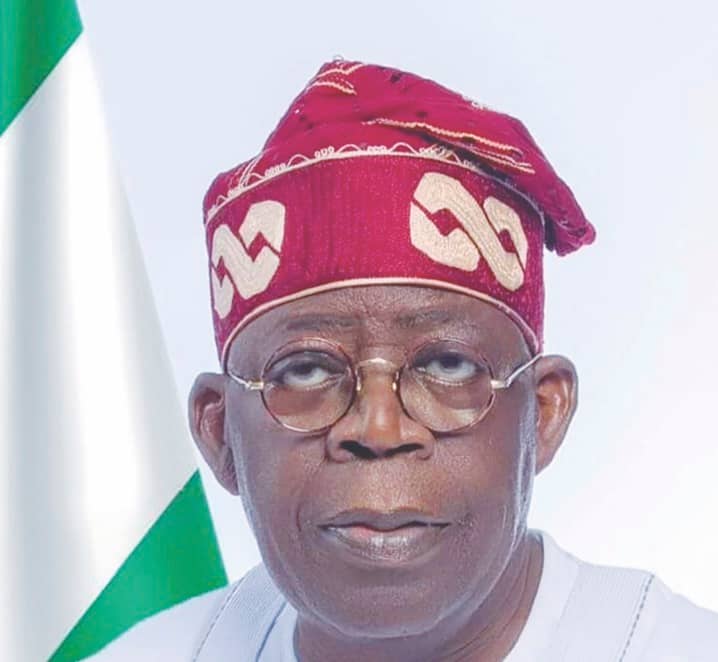

Tietie’s Call for Immediate State Police Implementation
Frank Tietie has urged President Bola Ahmed Tinubu to ensure the establishment of state police, arguing that this action is critical to distinguishing his administration from that of former President Goodluck Jonathan. In an editorial published Wednesday by Thisdaylive, Tietie described Tinubu’s efforts to remove the petroleum subsidy and establish state police as displays of courage, noting that these matters were previously considered impossible due to entrenched interests.
Tietie warned that if the president defers the establishment of state police until after the January 2027 presidential elections, it would spell catastrophic consequences. The editorial asserted that Tinubu must stay on his path of courage and resist intimidation regarding subsidy removal as he navigates these security governance shifts.
Comparisons to the Jonathan Administration
The article draws a direct comparison between Tinubu’s current challenges and those faced by former President Goodluck Jonathan, who served one term. Tietie reported that Jonathan attempted to remove the petroleum subsidy but failed because he was intimidated by civil society activists. The editorial alleged that APC politicians, led by Bola Tinubu and Muhammadu Buhari, sought to unseat Jonathan by latching onto populist grounds during that period.
Furthermore, the piece noted that Jonathan convened the 2014 National Conference in an attempt to reset Nigeria’s path toward progress. However, he failed to implement the conference's recommendations because prominent governors and members of his own ruling party, the Peoples Democratic Party (PDP), opposed him. These defectors included former Vice President Atiku Abubakar, Rotimi Amaechi of Rivers State, Rabiu Kwankwaso of Kano State, Murtula Nyako of Adamawa State, Aliyu Wammako, and Abdulfatah Ahmed.
Political Defections and Election Outcomes
The editorial highlighted that Aminu Tambuwal and Bukola Saraki led approximately 50 House of Representatives members and 25 Senators to defect from the PDP to the APC. This shift reportedly terrified Jonathan from implementing the conference recommendations.
Tietie stated that fifth columnists within Jonathan’s administration and prominent PDP leaders persuaded him that implementing the conference recommendations could wait until after the elections. The article claimed that because opponents promised support across the North and South but worked against him, Jonathan lost the election. Consequently, Nigerians missed the opportunity to remove the petroleum subsidy earlier and failed to implement national consensus from the National Conference.
The Cost of Deferred Reform
The editorial posited that if President Jonathan had implemented some or all of the National Conference recommendations, he would have been rewarded with re-election or an extended presidency. Instead, the failure to act on these national consensus points contributed to his electoral defeat.
Tietie emphasized that Tinubu’s push for state police aligns with earlier intrigues that led to Jonathan’s botched implementation of the National Conference. The article cited common factors in both eras, including upcoming presidential elections and a crucial shift in security governance, as key drivers of political resistance to such reforms.
By highlighting these historical parallels, Tietie urged Tinubu to recognize the stakes involved. The editorial concluded that maintaining courage in the face of entrenched interests is essential for the president to avoid the pitfalls that hindered his predecessor, ensuring that the establishment of state police is not deferred until after the January 2027 elections.