

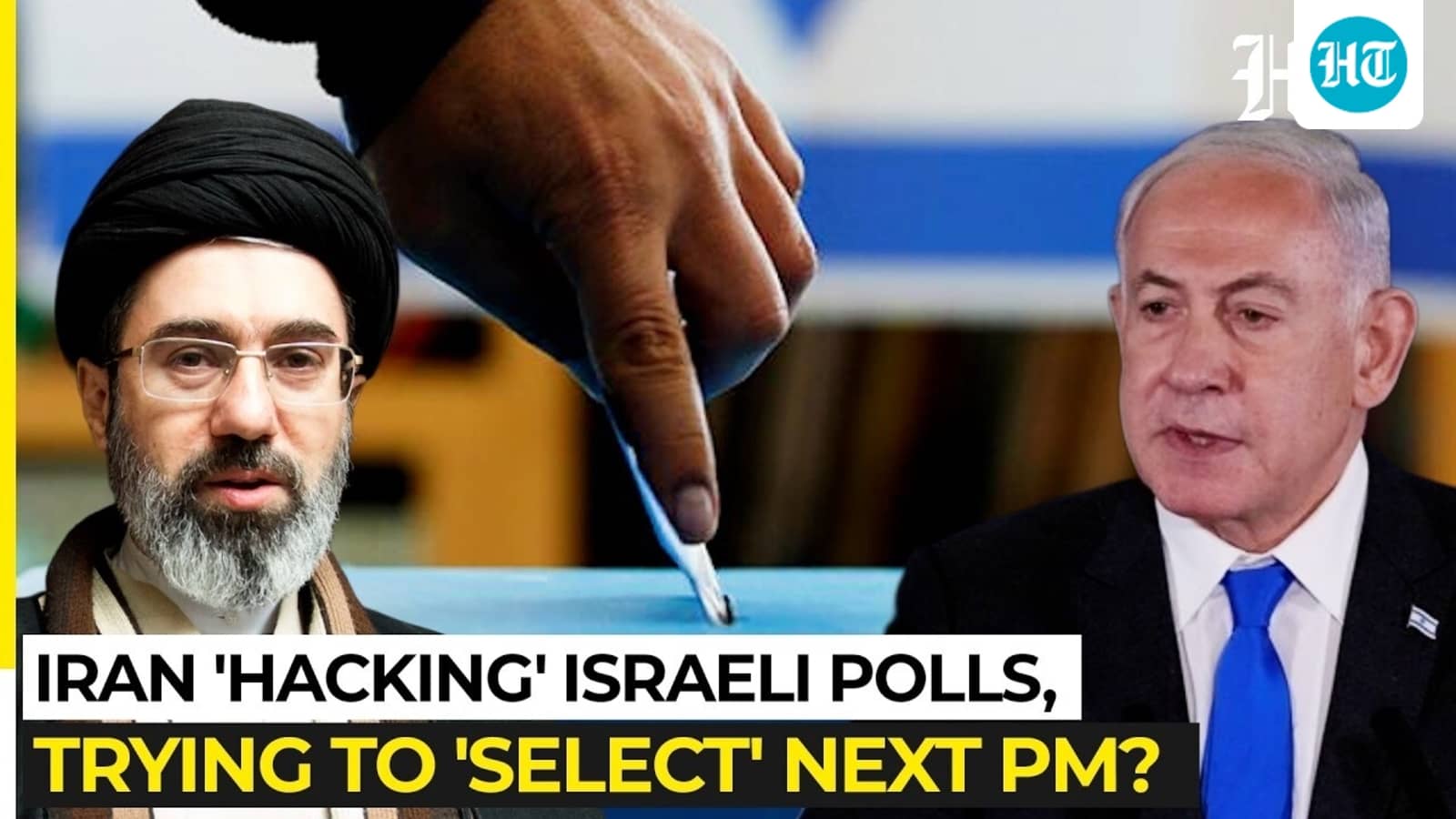

Security Briefings Highlight Threats Ahead of Critical Vote
The State of Israel has issued formal warnings indicating that Iran may attempt to interfere in the country's upcoming parliamentary election. The vote is scheduled to take place on October 27. Officials state that potential interference tactics could include cyber operations and influence campaigns designed to disrupt the electoral process or sway public opinion. Shin Bet chief David Zini has reportedly briefed Israeli leaders regarding this developing threat. The intelligence service head provided details on the evolving nature of the security situation surrounding the election cycle. During these briefings, officials expressed specific concerns that election candidates may face direct security risks during their campaigns and at polling stations leading up to the vote. The report addresses broader concerns about foreign election interference within the region. It highlights Israel's preparations to secure the upcoming vote against external threats. Previous accusations of Iranian influence operations have also been included in discussions among Israeli leadership, providing context for current defensive measures being considered by security agencies.
Election Timeline and Scope of Potential Disruption
The parliamentary election is set for October 27, marking the first such vote since the war in Gaza began. This timing places significant pressure on security services to mitigate any potential disruptions from foreign actors. The scope of potential Iranian interference reportedly encompasses two primary vectors: digital infrastructure and information operations. Cyber operations could target voting systems or communications networks used by political parties and candidates. Influence campaigns might involve disseminating disinformation through social media platforms or other channels to alter the democratic narrative before ballots are cast. Israeli security apparatuses have noted that these threats represent a significant challenge for an election occurring during active conflict conditions. The proximity of the vote date to ongoing military operations adds complexity to intelligence gathering and protection efforts. Security personnel must balance standard electoral safeguards with heightened vigilance against state-sponsored adversaries.Historical Context on Foreign Interference Allegations
The current warnings build upon a history of allegations regarding Iranian influence in Israeli domestic affairs. Past accusations suggest that Tehran has sought to impact political outcomes through various means, including funding opposition groups or spreading divisive content. These historical precedents inform the strategic approach taken by Israel's security establishment today. Officials cite these past incidents as evidence of Iran's continued interest and capability to project power into internal Israeli politics. The pattern of behavior observed in previous years supports current assessments that Tehran remains a persistent threat actor seeking to destabilize democratic processes. The specific nature of alleged influence operations has varied over time, ranging from financial support for political factions to cyberattacks on critical infrastructure during election periods. Each incident contributes to the cumulative intelligence picture used by Shin Bet and other agencies when formulating protection strategies.Strategic Implications for Democratic Institutions
The potential interference attempts carry strategic implications for Israel's democratic institutions. If successful, foreign influence operations could undermine public trust in electoral outcomes or compromise the integrity of candidate selection processes. Security preparations focus on hardening digital defenses and monitoring information ecosystems for signs of coordinated manipulation efforts. Intelligence agencies work to identify sources of disinformation before they reach mass audiences capable of influencing voter behavior. The involvement of Shin Bet chief David Zini underscores the high priority assigned to this issue by Israel's intelligence community. His direct engagement with top leadership indicates that election security is a matter requiring immediate and sustained attention from senior officials. Officials warn that candidates face tangible risks during their campaigns, which may include harassment, cyberattacks on campaign websites, or attempts to compromise personal data used for voter outreach. These threats require coordinated responses involving law enforcement agencies responsible for protecting public figures.Regional Geopolitical Dynamics
The election context occurs against a backdrop of ongoing regional conflict in Gaza. This environment heightens the stakes associated with any perceived foreign interference, as domestic political stability becomes increasingly linked to broader security objectives. International observers and neighboring states have noted the sensitivity surrounding elections held during wartime conditions. The potential for external actors to exploit vulnerabilities created by active hostilities represents a growing concern for democratic governance in conflict zones.Israeli authorities maintain that their preparations are sufficient to counter anticipated threats while ensuring free expression of voter will on October 27. However, the persistent nature of warnings from intelligence chiefs suggests that vigilance must remain high throughout the entire election period leading up to polling day.