


Corporate Investment Shifts From Sponsorship to Ecosystem Building
The landscape of pickleball in Japan is undergoing a structural transformation as corporate entities move beyond traditional sponsorship models. According to reports, Japanese companies are actively constructing a robust business framework for the sport by investing directly in teams, players, competitions, and necessary infrastructure. This strategic pivot aims to establish a lasting ecosystem where corporate bodies serve as foundational elements of the sport rather than merely providing financial support.
This shift marks a departure from previous efforts that struggled to secure consistent court availability, player bases, and sponsorships. Recent developments indicate that the sport has gained significant traction, with companies demonstrating a willingness to integrate themselves into the core structure of pickleball’s development in the country. The goal is to create a sustainable model where tournaments are supported by substantial corporate backing, reducing reliance on ad-hoc funding.
Industry observers note that almost all major tournaments in Japan have recently attracted high-profile sponsors. This influx of capital has emerged as a potentially sustainable model for the sport's continued growth and professionalization. The focus is no longer solely on introducing the sport to new audiences but on solidifying its commercial and operational viability through deep corporate engagement.
Major Tournament Infrastructure and Financial Commitments
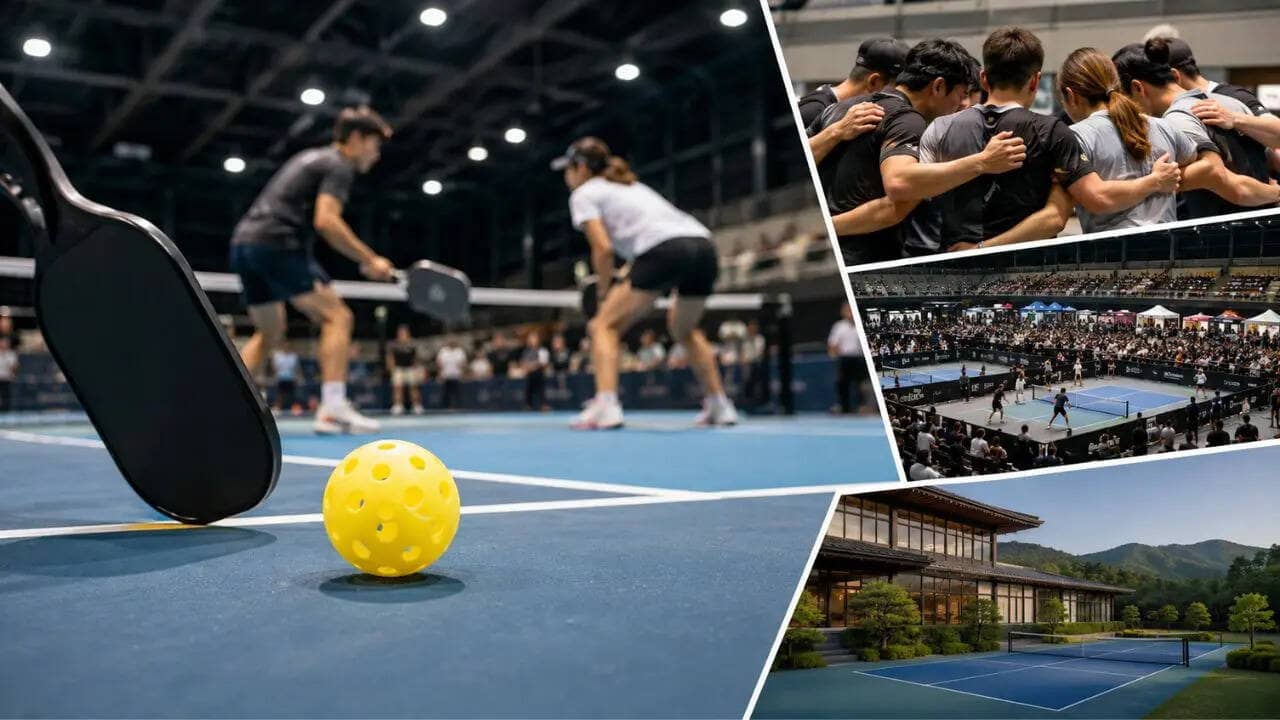
A concrete example of this expanded corporate involvement is the upcoming second iteration of the PJL BURGER KING CUP. Scheduled to take place from October 11 to 14, 2026, at the Ariake Tennis Forest Indoor Courts in Tokyo, the event highlights the scale of resources now being deployed for pickleball competitions.
Event Scale and Logistics
The tournament is designed to accommodate a significant number of participants and utilize extensive facilities. Organizers expect over 800 players to compete during the four-day event. To support this volume, the venue will deploy 24 courts simultaneously. The choice of location at the Ariake Tennis Forest Indoor Courts indicates a commitment to utilizing established professional sports infrastructure for pickleball events.
Prize Structure and Divisions
Financial incentives for participants have also increased substantially. The event will distribute over 10 million Japanese yen in cash and prizes. These funds are allocated across three distinct competitive categories: General, Corporate, and Professional divisions. This tiered prize structure suggests an effort to engage a broad spectrum of players, from amateur enthusiasts to professional athletes, thereby widening the sport’s appeal and competitive depth.
Long-Term Sustainability and Market Expansion
The integration of major brands like Burger King into pickleball tournaments signals a broader acceptance of the sport within the Japanese commercial market. By funding significant prizes and covering operational costs for large-scale events, corporations are helping to lower barriers to entry for players and organizers alike.
Analysts suggest that this model of direct investment in competition infrastructure is critical for the sport's longevity. Unlike traditional sponsorship, which may be short-term or brand-focused, investing in the tournament ecosystem helps build a self-sustaining cycle of interest and participation. The establishment of regular, high-profile events with substantial prize pools provides a clear pathway for player development and fan engagement.
As the sport gathers momentum, the alignment of corporate resources with competitive structures is reshaping how pickleball is perceived and managed in Japan. The transition from seeking basic sponsorship to building a comprehensive business framework represents a significant step in the sport's maturation within the region.