


End of Hunger Strike and Revocation of Punishments
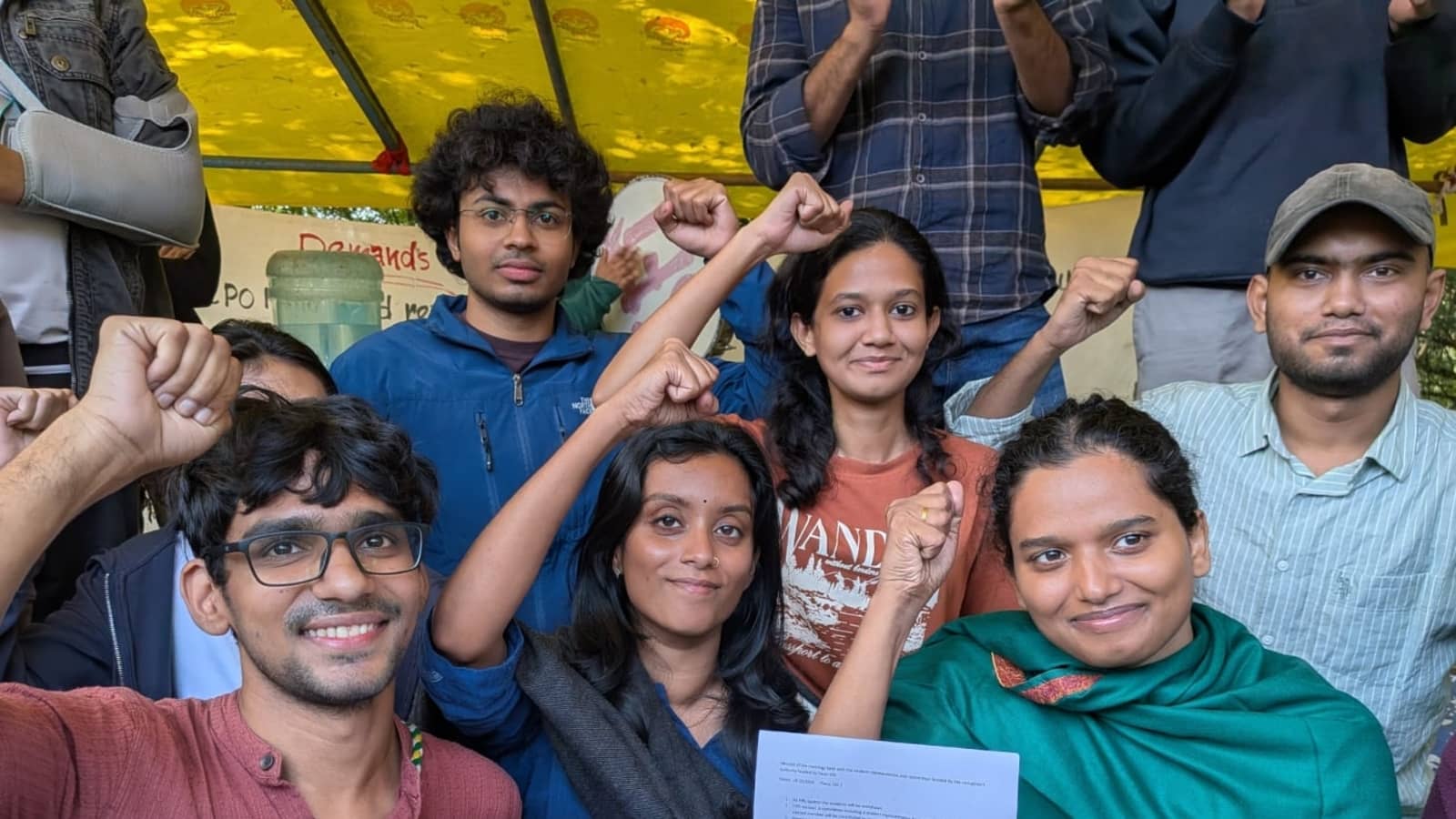
Members of the Jawaharlal Nehru University Students' Union (JNUSU) concluded a 17-day hunger strike on Tuesday, following negotiations with a university committee led by the institution's dean. The resolution came after the administration agreed to several key demands outlined by the student body.
A letter signed by Vivek Kumar, Dean of the School of Social Sciences, officially directed the revocation of rustication for five students: Aditi Mishra, K Gopika Babu, Sunil Yadav, Danish Ali, and Nitish Kumar. The reinstatement of JNUSU office bearers, including the union president, was cited as a primary condition for ending the protest.
Additionally, the administration agreed to withdraw all proctorial enquiries that were initiated during previous protests concerning rustication, University Grants Commission (UGC) regulations, and hostel infrastructure. The university also committed to withdrawing all First Information Reports (FIRs) filed against the students.
New Committees and Administrative Adjustments
As part of the agreement, a committee including a JNUSU office-bearer representative will be constituted to review contentious clauses. Another committee will be formed specifically regarding the Jawaharlal Nehru University Entrance Examination (JNUEE).
The administration also agreed to constitute a hostel reservation committee. Discussions held during the negotiations covered specific operational issues, including hostel reservations, library timings, and the opening of a canteen in the Central Students' Library Group (CSLG).
Conflicting Narratives on Protest Participation
Tensions regarding the nature and scale of the protest persisted even as negotiations progressed. Vice-Chancellor Santishree Dhulipudi Pandit stated that a competent authority had been willing to meet with protesting students at 8:50 am on October 16, but no representatives were present.
Students countered this claim, questioning the Vice-Chancellor's visit to the protest site at 9 am. They characterized the late arrival as an attempt by the administration to create a narrative suggesting that only a small number of students were participating in the strike.
Disputes also arose regarding medical care during the fast. JNUSU claimed that rusticated office bearers were denied medical check-ups while undertaking the hunger strike. In response, the Vice-Chancellor described the administration as "most democratic and humanitarian," while noting the destruction of public property worth ₹20 lakh during the unrest.
Union's Status and Allegations
JNUSU argued that it functions as an elected representative body with a mandate from around 9,000 students, rather than merely a student group. The union cited independent election committees and notification by the dean of students' office to support its status.
During the proceedings, the union also alleged corruption in university recruitment processes. JNUSU questioned the administration's commitment to protecting taxpayers' money, linking these broader governance concerns to the immediate demands for student rights and reinstatement.