


Barisan Nasional Admonishes Disappointed Members Ahead of Johor State Elections
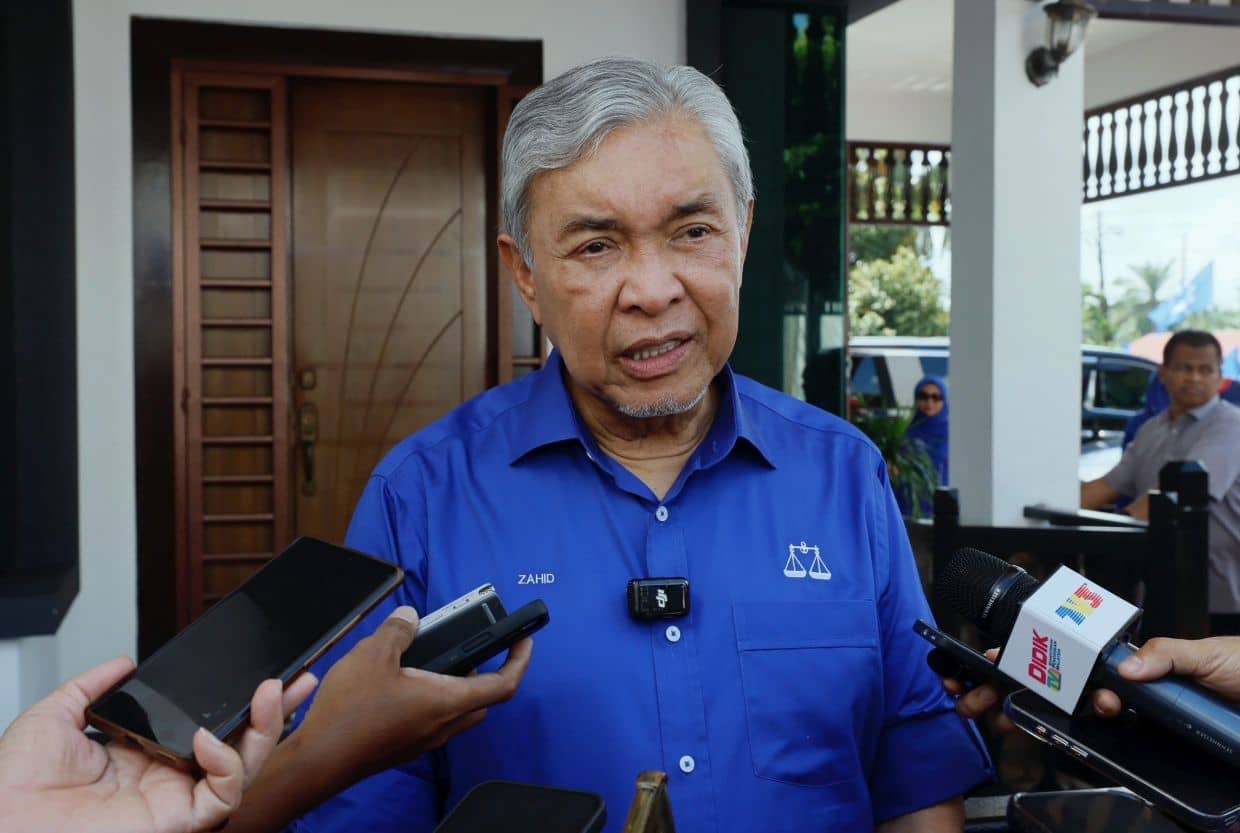
PONTIAN: Senior leaders within Barisan Nasional (BN) have issued direct instructions to party members who were excluded from the candidate list for the upcoming Johor state election. The directive, delivered by BN President Datuk Seri Dr. Ahmad Zahid Hamidi, emphasizes that those not chosen to contest should set aside their disappointment and maintain patience for future political opportunities.
Ahmad Zahid made these remarks on Saturday, June 27, 2026, addressing concerns regarding internal party dynamics ahead of the polls. He stressed the necessity for members to overcome feelings of letdown and instead focus on preparing for subsequent electoral challenges. The leader’s comments were aimed at maintaining cohesion within the coalition as it prepares to face the electorate in Johor.
The advice to "set disappointment aside" was framed as a strategic imperative. Ahmad Zahid urged party ranks to view the current exclusion not as a final judgment but as a temporary phase. He indicated that waiting for their time to come is the appropriate response for those not selected, rather than dwelling on the outcome of the candidate selection process.
This guidance comes at a critical juncture for the coalition, which is navigating a complex political landscape in Malaysia. The emphasis on preparation for future challenges suggests a long-term perspective within BN’s leadership regarding their electoral strategy and member retention.
Assurances Given on National Unity Government Stability
Amidst the preparations for the Johor state polls, concerns have been raised regarding potential friction between coalition partners. Specifically, questions have arisen about how clashes between Pakatan Harapan (PH) and Barisan Nasional might impact the broader national unity government.
Mohamad Sabu, a key figure within the political landscape, addressed these concerns directly. He stated that any clashes between PH and BN during the Johor polls will not affect the stability or functioning of the national unity government. His assertion was intended to reassure both the public and party members that inter-coalition disagreements at the state level remain contained and do not threaten federal governance.
Mohamad Sabu’s comments serve to delineate the boundary between state-level electoral competition and federal-level political cooperation. By stating that the unity government remains unaffected, he attempts to decouple the intensity of the Johor campaign from the broader national political framework.
Political Context of the Johor Elections
The Johor state election represents a significant test for the current political arrangement in Malaysia. The involvement of major coalitions such as PH and BN highlights the competitive nature of the upcoming polls. The assurances provided by leaders from both sides aim to mitigate fears that state-level rivalry could spill over into federal instability.
While Ahmad Zahid focused on internal party management, Mohamad Sabu’s remarks targeted the inter-coalition relationship. Together, these statements reflect an effort by political leadership to manage expectations and maintain a facade of stability during a period of intense electoral activity.
The date of the commentary, June 27, 2026, places these developments in the immediate lead-up to the Johor polls. The specific location of Ahmad Zahid’s address, Pontian, indicates that the leadership is actively engaging with key constituencies in the state.
Implications for Party Discipline and Coalition Dynamics
The directive from Ahmad Zahid regarding disappointment suggests a need for strict party discipline. By urging members to wait for future opportunities, the BN leadership is attempting to prevent internal dissent that could weaken their electoral performance in Johor.
Similarly, Mohamad Sabu’s denial of impact on the unity government underscores the sensitivity of the coalition’s survival. Any perceived breakdown in relations between PH and BN at the state level could have broader implications for the federal administration, making these assurances critical for political stability.
The juxtaposition of internal admonishment and external reassurance highlights the dual challenges facing Malaysian political leaders during this election cycle. Managing member sentiment while projecting national unity requires careful communication strategies, as evidenced by the statements from both Ahmad Zahid and Mohamad Sabu.