


July Consumer Price Index Shows Deceleration in Core Inflation
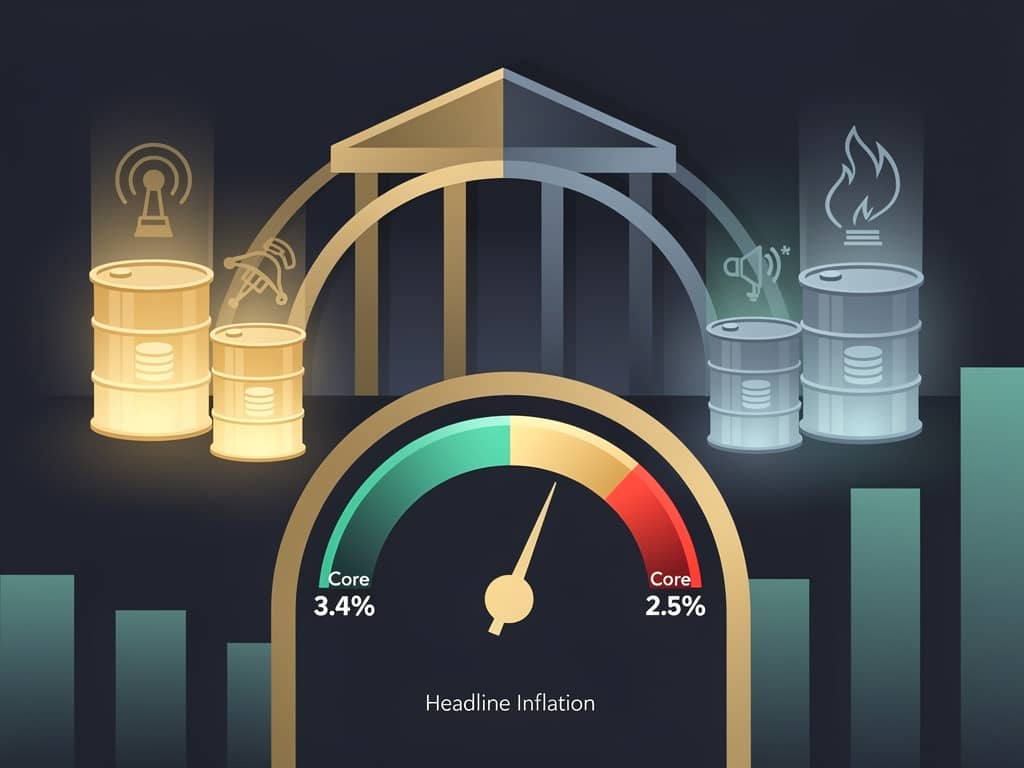
The latest consumer price index data for July reveals a continued deceleration in core inflation, providing economists and policymakers with new metrics to evaluate the trajectory of the U.S. economy. According to the report, headline inflation stood at 3.4% for the month, while core inflation, which excludes volatile food and energy prices, recorded a rate of 2.5%.
This core inflation figure marks a significant milestone in recent economic history, representing the slowest pace of core price growth observed since 2021. The data indicates that underlying price pressures are moderating more rapidly than headline figures might suggest, as the exclusion of energy costs from the core calculation highlights a stabilization in essential goods and services pricing.
The divergence between headline and core inflation rates underscores the complex nature of current economic conditions. While headline inflation remains above the Federal Reserve's long-term target, the specific cooling in core components suggests that the broader economy is experiencing less intense price volatility than the overall index might imply. This distinction is critical for financial analysts who monitor core metrics to determine whether inflation trends are structural or temporary.
Geopolitical Factors Continue to Influence Energy Markets
Despite the moderation in overall consumer prices, specific sectors remain under pressure due to international developments. Energy prices continue to be influenced by geopolitical tensions, particularly those stemming from the ongoing conflict involving Iran. These external factors introduce a layer of unpredictability to the energy market, which can quickly impact headline inflation figures even when core metrics remain stable.
The persistence of energy pressures highlights the fragility of global supply chains and the interconnectedness of international political events with domestic economic indicators. While core inflation has slowed, the potential for sudden spikes in energy costs remains a variable that policymakers must monitor closely. The conflict in the Middle East serves as a reminder that external shocks can rapidly alter the economic landscape, potentially reversing recent gains in price stability.
Analysts note that the interplay between subdued core inflation and persistent energy volatility creates a dual challenge for economic resilience. On one hand, the cooling of core prices suggests that domestic demand is aligning more closely with supply capabilities. On the other hand, the external threat to energy markets means that headline inflation could fluctuate sharply depending on developments in Iran and broader regional stability.
Federal Reserve Faces Strategic Decisions in September
The release of July’s inflation data arrives at a pivotal moment for the Federal Reserve, which is scheduled to hold its next policy meeting in September. The subdued core inflation rate provides the central bank with increased flexibility in determining its monetary policy path. With core inflation at 2.5%, the Fed has additional room to consider its options without immediate pressure from accelerating underlying price growth.
This breathing room allows policymakers to weigh various economic indicators before making a decision on interest rates. The slowest pace of core inflation since 2021 reduces the urgency for aggressive monetary tightening, potentially allowing the Fed to adopt a more measured approach. However, the central bank must balance this domestic progress against the external risks posed by global instability.
Market participants are closely watching how the Federal Reserve interprets these conflicting signals. The combination of low core inflation and high energy uncertainty creates a complex environment for decision-making. If energy prices remain elevated due to geopolitical tensions, headline inflation could rise even as core metrics stay low. This scenario would test the Fed's ability to respond effectively to mixed economic data.
The upcoming September meeting will be crucial in determining whether the Federal Reserve views the current inflation trends as sustainable or if it anticipates further volatility. The flexibility granted by the July data does not guarantee a specific policy outcome but rather expands the range of viable strategies available to the central bank. How the Fed navigates these conditions will likely influence market expectations and economic forecasts for the remainder of the year.