Full story
A Milestone for the Grouping
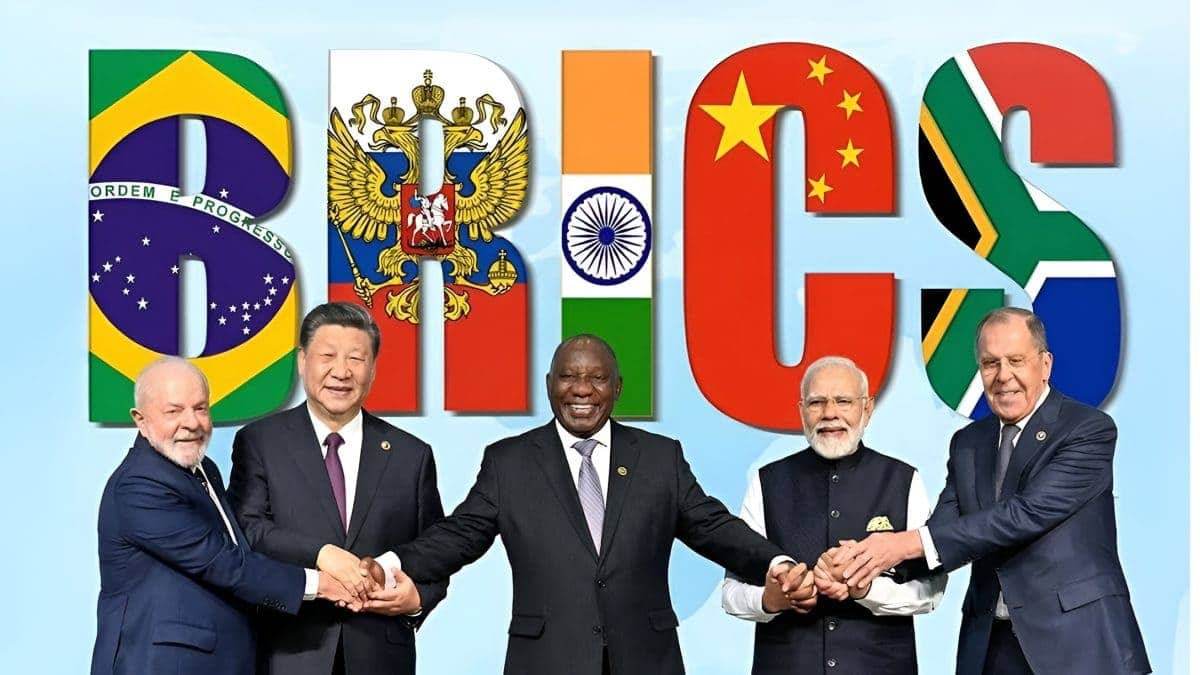
The upcoming BRICS summit in New Delhi represents a significant milestone for the international coalition, marking the group's 20th anniversary. The gathering brings together heads of state from Brazil, Russia, India, China, and South Africa, along with other partner nations, to assess the bloc's trajectory since its inception. As the organization celebrates two decades of existence, the focus of the Delhi summit has been identified as practical cooperation among member states.
The anniversary provides a moment for reflection on the group's evolution from an economic concept into a substantial geopolitical force. The summit serves as a platform to evaluate the collective impact of the nations that initially coined the acronym BRIC before South Africa joined in 2010. The choice of New Delhi as the host city underscores India's central role within the current configuration of the group.
Geopolitical and Economic Headwinds
The summit takes place against a backdrop of intensifying global complexities. According to reports, the gathering occurs amidst growing geopolitical and economic challenges that affect both member nations and the broader international community. These challenges include shifting trade dynamics, regional conflicts, and divergent national interests that test the cohesion of the bloc.
India faces a leadership challenge at this critical juncture. The nation must balance its strategic partnerships with Western powers while maintaining strong ties within the BRICS framework. This balancing act requires careful diplomatic navigation as member states navigate differing priorities regarding global governance, security, and economic development.
The geopolitical landscape has evolved significantly since the group's formation. What began as a mechanism for emerging economies to coordinate positions on global financial institutions has transformed into a broader platform for discussing international order. The current environment demands that BRICS members address immediate economic concerns while managing long-term strategic alignments.
Focus on Practical Cooperation
Despite the complex external environment, the Delhi summit will prioritize practical cooperation among its members. This focus suggests an intention to move beyond rhetorical agreements toward tangible outcomes in areas such as trade, technology, and development financing. The emphasis on practicality indicates a recognition that abstract discussions may no longer suffice in addressing immediate member needs.
Practical cooperation could encompass various sectors including currency swap arrangements, infrastructure development, and digital economy initiatives. Such efforts aim to reduce dependency on traditional Western-dominated financial systems and create alternative channels for economic interaction among emerging markets.
The summit agenda is expected to reflect the diverse interests of its participants. While unity in principle remains a goal, the practical implementation of cooperation requires addressing specific national priorities. This approach acknowledges that BRICS functions as a coalition of sovereign states with distinct domestic agendas rather than a monolithic political entity.
Implications for Global Governance
The outcomes of the Delhi summit will influence how BRICS positions itself in global governance structures. As the group marks two decades, its ability to present a coordinated front on international issues remains a subject of analysis. The summit provides an opportunity to define the bloc's role in addressing global challenges such as climate change, public health, and sustainable development.
India's leadership during this period will be closely watched by international observers. The nation's approach to facilitating dialogue among members with varying degrees of alignment on key geopolitical issues will determine the summit's effectiveness. Success is measured not only by declarations issued but by the establishment of frameworks for ongoing collaboration.
The gathering also highlights the growing influence of the Global South in international affairs. BRICS nations represent a significant portion of the world's population and economic output, giving them substantial weight in global discussions. The Delhi summit serves as a demonstration of this collective influence amid a multipolar world order.
As preparations continue, attention remains on how the summit will address the tension between internal diversity and external pressure. The ability of BRICS to maintain relevance and utility for its members over the next phase of its history depends largely on the practical results achieved in New Delhi.