


Pearson Secures Nomination Amidst Shifting Political Tides
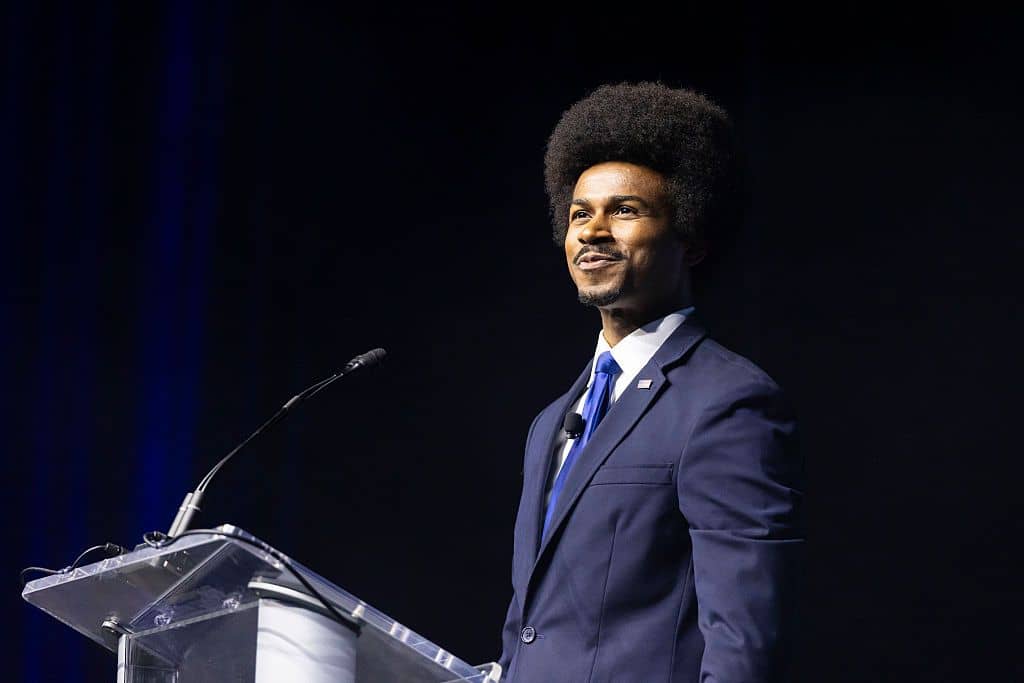
Tennessee held its primary elections on Thursday, culminating in State Representative Justin Pearson securing the Democratic nomination to represent Tennessee’s Ninth Congressional District. This victory positions Pearson as the party’s official candidate for the upcoming general election, which is scheduled for November.
A Contested Primary Victory
Pearson’s path to the nomination involved a competitive race against state Senator London Lamar. The contest drew significant attention, particularly as Lamar had received the endorsement of Representative Steve Cohen, according to reporting from Newsone. Cohen, a long-serving figure in Tennessee politics, had previously represented the Ninth District before its boundaries were significantly altered. Pearson’s win against a candidate backed by a prominent incumbent signals a notable shift in the political landscape of the district, reflecting the profound changes brought about by recent legislative actions concerning electoral boundaries.
Tennessee's Redistricting Alters Electoral Landscape
The redrawing of the Ninth Congressional District was a central component of Tennessee’s broader redistricting efforts. The state legislature implemented these changes following a Supreme Court decision, referred to in source material as the "Callais Decision," which effectively permitted practices described by critics as racist gerrymandering. These legislative maneuvers have had a dramatic impact on the district's demographic and political composition.
Splitting Memphis's Majority-Black Vote
Historically, under the previous electoral map, Memphis constituted Tennessee’s lone majority Black district, a stronghold for Democratic voters and a significant center of African American political power. However, the new legislative map enacted by the state legislature strategically split the city into two separate districts. According to the research notes, this restructuring was explicitly designed to provide an advantage to Republican candidates across the state, diluting the voting power that was previously concentrated within the majority Black district. This move has been widely criticized for its impact on minority representation and its partisan intent.
Cohen's Withdrawal and the New Dynamics
Representative Steve Cohen, who had served the Ninth District under its old boundaries, made the decision to withdraw from his reelection bid after the district's composition was fundamentally altered. His withdrawal underscored the dramatic shift in the district's political viability for a candidate like Cohen, particularly as Republicans carved up the district in a manner designed to diminish Democratic strength. Before the redistricting efforts reshaped the district's composition, Pearson had already been campaigning, initially running against Cohen when the area remained a safely Democratic stronghold. The subsequent alteration of the map completely changed the dynamics of the primary race, setting the stage for the direct contest between Pearson and Lamar in the newly configured district.
General Election Battle in a Redrawn District
Pearson’s primary victory now sets the stage for what is anticipated to be a formidable challenge in the general election this November. As the Democratic nominee, he will face a Republican candidate on the fall ballot, with the outcome determining who will represent the newly configured Ninth Congressional District in Congress. According to reporting from The New York Times, Pearson’s real test is expected to come in this upcoming general election.
The redistricting effort continues to draw considerable attention due to its far-reaching impact on the demographic composition and political leanings of the district. By splitting Memphis, the state legislature not only altered the geographical boundaries but also fundamentally shifted the voting power that had previously been concentrated in the majority Black district. This strategic division aims to create a more competitive, or even Republican-leaning, environment where a Democratic victory is no longer a foregone conclusion. Pearson’s victory in the primary establishes him as the leading Democratic voice tasked with navigating this newly defined and politically challenging geographic area, fighting for representation in a district intentionally redrawn to dilute the very electorate he seeks to represent.