Full story
Post-Midterm Analysis of AI Voter Concerns
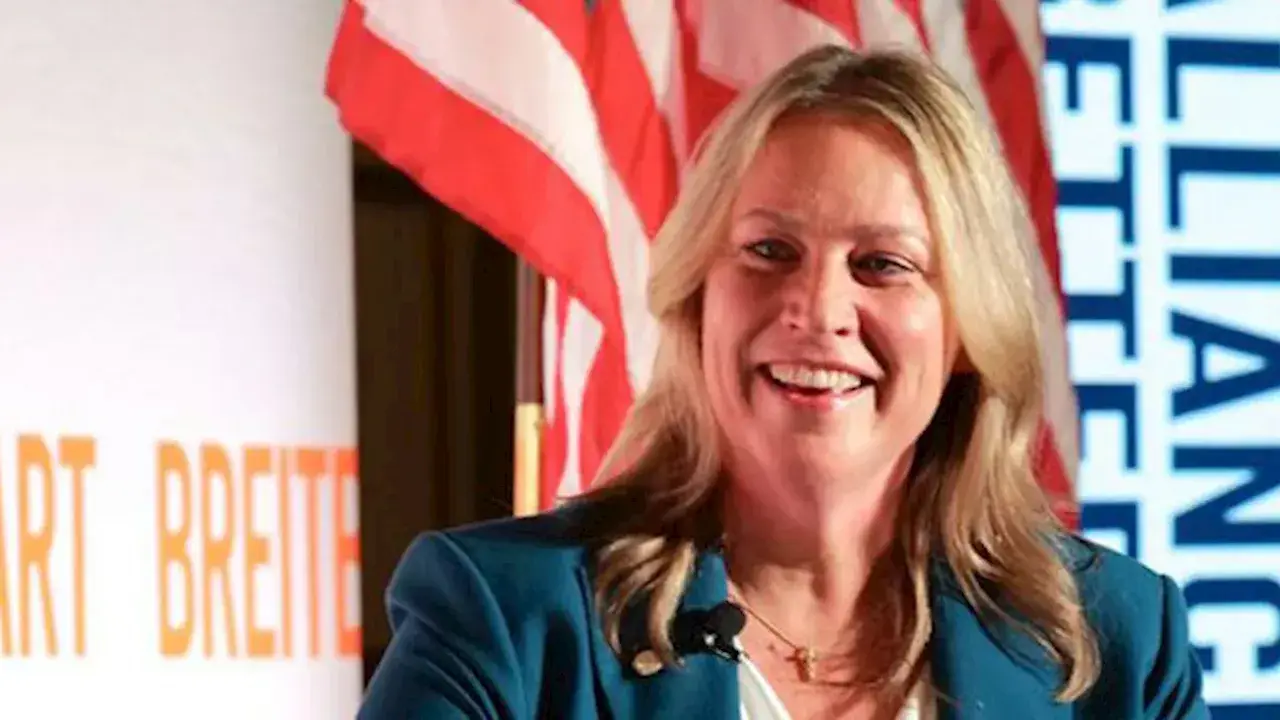
Janet Kelly, chief executive officer of the Alliance for a Better Future, issued a directive to the Republican Party on Friday, urging lawmakers to address voter anxieties regarding artificial intelligence and super intelligence policy. The call to action follows the GOP’s losses in the recent midterm elections, with Kelly warning that the party must rebuild public trust on the technology sector before the 2028 presidential election.
Kelly released a memo titled "How Super Intelligence Policy Helped Deliver Democrat Majorities & What the GOP Needs to Do to Recalibrate Ahead of 2028." The document examines the role super intelligence policy played in the recent electoral outcomes and recommends specific measures addressing children’s safety, national security, and economic concerns.
"It became apparent this fall that 2026 was going to be the first AI election," Kelly said. "But I can assure you, based on the data that I’m going to share this morning, that it will not be the last AI election." She stated that while macro-level issues such as affordability were prominent, artificial intelligence served as a significant undercurrent influencing voter decisions.
Kelly argued that AI was an "undercurrent issue" for voters, linking it directly to economic concerns such as job security. She emphasized that voters want technology companies held accountable and desire changes in how tech is done to protect families, the country, and jobs.
Polling Data and Trust Deficits
In her analysis, Kelly cited multiple polling sources to illustrate the rapid rise of AI as a political priority. According to Navigator Research polling data referenced in the memo, the percentage of voters identifying super intelligence as an important priority increased from 7% to 21%, representing a 14-percentage-point increase.
Kelly claimed that artificial intelligence experienced "the most significant growth of any issue this cycle," noting a 200% increase in voter concern from 7% a year ago to 21% in the fall. She further cited NBC News exit polling, which showed that 56% of voters considered AI and data centers a crucial or major factor in their congressional votes. Of those respondents who cited AI as a factor, 65% voted Democratic and 33% voted Republican.
The memo also highlighted a trust deficit facing the GOP on this issue. Kelly cited Navigator Research polling showing Democrats holding a nine-point advantage over President Trump and Republicans on super intelligence policy, with 32% to 23%. "Voters do not trust Republicans on SI or AI," Kelly said, adding that voters perceive the GOP as being too close to big tech companies.
Supporting this claim, Kelly cited an October 19 Politico survey finding that 47% of respondents viewed Republicans as the party of tech tax breaks, compared with 21% who said the same of Democrats. She pointed to a September 22 Reuters/Ipsos survey finding that 73% of respondents believed AI companies had not done enough to prevent serious harm.
Kelly warned that Republicans face a disadvantage in public trust on SI policy. She claimed that Democrats realized Republicans were vulnerable on this issue and "hijacked it for themselves." To illustrate the disparity in messaging, Kelly cited AdImpact figures showing that Democratic-aligned groups significantly outspent Republican-aligned groups on SI and data center television advertisements during the midterms.