


Legislative Pressure Mounts on Sports Betting Partnerships
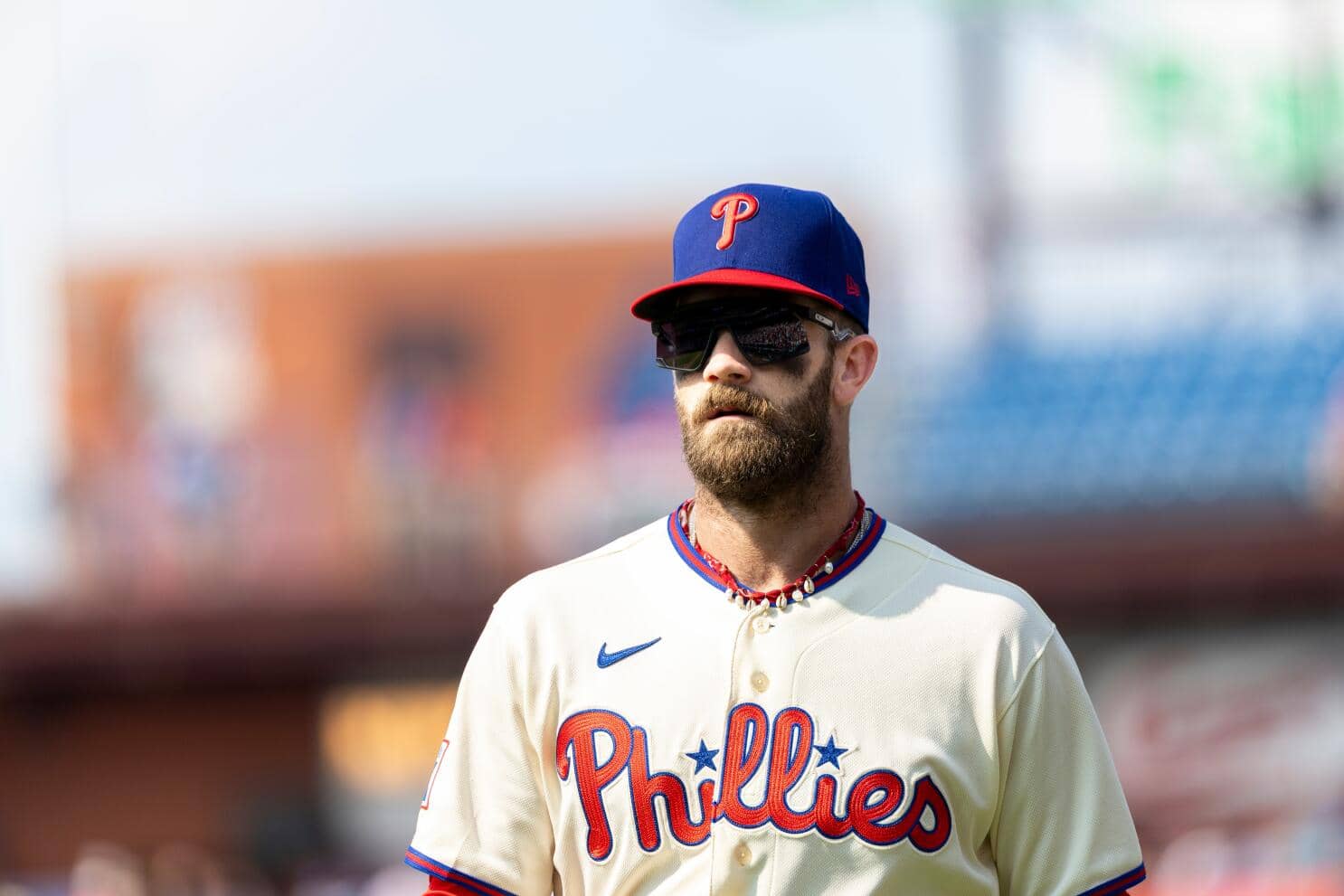
Three members of the United States Congress have formally requested that Major League Baseball (MLB) and the MLB Players Association implement stricter regulations concerning gambling endorsements. This significant legislative inquiry was initiated in direct response to a specific, high-profile incident involving the prominent sportsbook operator FanDuel. The controversy arose when FanDuel utilized a video clip featuring Philadelphia Phillies outfielder Bryce Harper, a widely recognized figure in professional baseball, to acknowledge an individual who was later revealed to be struggling with gambling addiction.
The formal letter from the lawmakers underscores a deepening concern among federal representatives regarding the increasingly intertwined relationship between professional sports marketing and the pervasive issue of problem gambling. By directing their request to both the league's central office and the union representing its players, the legislators are aiming to address what they perceive as potential deficiencies or gaps in the current oversight protocols. These protocols are intended to govern how the likenesses and images of professional athletes are deployed in promotional and advertising materials for various betting platforms, ensuring responsible practices.
FanDuel's Use of Bryce Harper's Image Draws Fire
The core of the controversy originates from a promotional video created and distributed by FanDuel, prominently featuring Bryce Harper, one of MLB's most recognizable stars. Reports indicate that the sportsbook employed this footage in a manner intended to thank a particular user for their engagement and activity on the betting platform. However, the situation took a critical turn when it was subsequently disclosed that the individual being acknowledged in the video was actively battling a severe gambling addiction. The decision to use the image of a high-profile athlete in a seemingly celebratory context to recognize a user with such a vulnerability has provoked intense criticism from a broad spectrum of stakeholders, including consumer advocacy groups and federal officials.
This specific incident has ignited a significant debate concerning the ethical parameters and responsibilities inherent in sports betting marketing. Critics have vocally argued that the practice of leveraging the appeal and influence of star athletes to reward or acknowledge users who exhibit addictive behaviors poses a serious risk. Such actions, they contend, could inadvertently or directly exacerbate existing gambling disorders, making it more challenging for individuals to manage or overcome their compulsions. Furthermore, there are concerns that such marketing tactics contribute to the normalization of potentially harmful financial habits among the broader fan base, particularly impressionable younger audiences who look up to these athletes. The precise nature of the video, coupled with its unintended targeting of an addicted bettor, has become the central element driving the current congressional scrutiny and calls for regulatory reform.
The Expanding Landscape of Sports Betting and Athlete Endorsements
The incident involving FanDuel and Bryce Harper unfolds against a backdrop of rapidly expanding legal sports betting across the United States. Following a landmark Supreme Court decision in 2018, numerous states have moved to legalize and regulate sports wagering, creating a burgeoning market that professional sports leagues, including MLB, have eagerly embraced. This new era has seen leagues forge extensive commercial partnerships with various betting operators, integrating gambling elements into their broadcasts, digital content, and stadium experiences.
For Major League Baseball, these partnerships represent significant new revenue streams and opportunities for fan engagement. However, they also introduce complex ethical considerations, particularly concerning the role of star athletes. Players, too, have entered into individual endorsement deals with sports betting companies, appearing in advertisements and promotional content that often feature prominently during games and related media. This proliferation of betting-related marketing has led to a normalization of gambling in sports culture, making the line between entertainment and potential harm increasingly blurred for many consumers.
Athletes as Brand Ambassadors for Betting Platforms
The involvement of high-profile athletes like Bryce Harper as brand ambassadors for sports betting platforms is a critical component of these marketing strategies. Athletes lend credibility, excitement, and a sense of aspirational success to betting brands, making them highly effective in attracting new users. While these endorsements are lucrative for the players and beneficial for the betting companies, the recent incident highlights the potential for unintended consequences, especially when marketing efforts intersect with vulnerable populations.
The congressional inquiry implicitly questions whether the current framework governing these endorsements adequately accounts for the unique influence athletes wield over their fan bases. It suggests a need to re-evaluate how player images are used, moving beyond mere contractual agreements to consider the broader societal impact and the imperative of protecting individuals from the risks associated with problem gambling.
MLB's Sportsbook Ecosystem Under Congressional Review
In the wake of the FanDuel incident, Congress has initiated a more expansive review of Major League Baseball’s intricate network of partnerships with various sportsbooks. The league has, over recent years, cultivated numerous commercial relationships with betting operators, seamlessly integrating gambling elements into its broadcasts, digital platforms, and overall fan experience. Lawmakers are now meticulously examining whether the existing frameworks governing these partnerships incorporate sufficient and robust safeguards designed to protect consumers, with a particular emphasis on individuals identified as vulnerable to gambling-related harms.
The congressional request for significantly strengthened regulations strongly implies a belief that current industry standards and self-regulatory measures may be inadequate to address the evolving challenges posed by the widespread promotion of sports betting. Legislators are specifically urging both MLB and the MLB Players Association to undertake a comprehensive reassessment of their existing endorsement contracts and marketing guidelines. The overarching objective is to establish clearer, more stringent rules to ensure that player imagery and likenesses are not utilized in any manner that could be perceived as actively encouraging excessive, irresponsible, or problematic betting behavior among fans.
Revisiting Player Endorsement Guidelines
The direct involvement of Bryce Harper’s likeness in the contentious FanDuel video critically highlights the complex and often sensitive role that athletes occupy within the burgeoning sports betting industry. A significant number of professional players across various leagues engage in lucrative endorsement deals with gambling companies, frequently appearing in high-visibility advertisements and promotional content. This congressional inquiry carries the potential to introduce new, more restrictive guidelines on how these partnerships are structured, negotiated, and ultimately executed, aiming to prevent similar incidents in the future.
As of now, Major League Baseball and the MLB Players Association have refrained from issuing a public statement directly addressing the specific details of the FanDuel video or the formal congressional request. Historically, the league has publicly articulated its commitment to promoting responsible gambling initiatives. However, the current intensity of legislative pressure may compel both the league and the players' union to undertake a fundamental reevaluation of these stated commitments, particularly when juxtaposed against the backdrop of player-driven marketing campaigns that carry significant influence.
Broader Societal Implications of Betting Normalization
The scope of congressional scrutiny extends beyond the specific practices of MLB to encompass broader concerns about the entire sports betting industry. Lawmakers are increasingly apprehensive that the widespread normalization of gambling, significantly amplified by the pervasive presence of high-profile athlete endorsements, could precipitate adverse societal impacts. The incident involving Harper’s video is now serving as a crucial case study, vividly illustrating how marketing strategies, whether intentionally or inadvertently, possess the capacity to target and potentially exploit vulnerable populations.
As this investigation progresses, it is anticipated that key stakeholders across both the sports and gambling sectors may face heightened regulatory oversight. The eventual outcome and policy recommendations stemming from this congressional review could establish significant precedents, influencing future policies and guidelines pertaining to athlete endorsements and sports betting advertising across all major professional sports leagues in the United States, potentially reshaping the industry landscape for years to come.